
Wood Pellets in Australia: Sustainable Energy Solutions for a Cleaner Future
Introduction to Wood Pellets in Australia
Wood Pellets Australia – Australia continues to diversify its renewable energy portfolio. Consequently, many industries now explore biomass alternatives. Among these options, wood pellets in Australia attract growing attention.
Wood pellets offer a practical and efficient fuel source. Moreover, they support emissions reduction goals across residential and industrial sectors. Energy producers, manufacturers, and facility managers increasingly evaluate biomass systems.
As energy costs fluctuate, businesses search for predictable fuel solutions. Therefore, compressed biomass fuels provide stability and long-term planning advantages. At the same time, environmental regulations encourage cleaner combustion technologies.
This article explains how wood pellets work within the Australian context. Additionally, it outlines technical considerations, supply chain realities, and operational best practices. Throughout the discussion, you will find practical insights rather than promotional claims.
Understanding Wood Pellets as Biomass Fuel
What Are Wood Pellets?

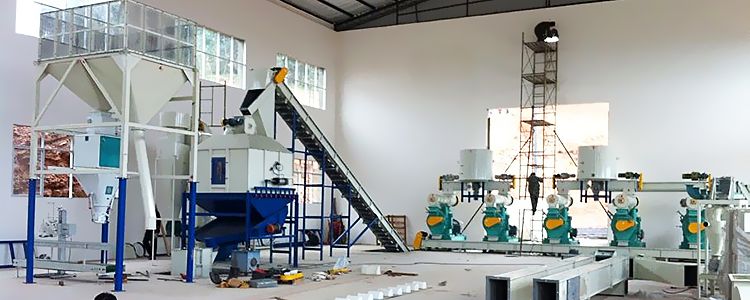

Wood pellets consist of compressed sawdust and wood residues. Manufacturers process these materials under high pressure. As a result, pellets form dense cylindrical shapes.
Producers typically use forestry by-products. Therefore, they maximize resource efficiency within timber industries. The compression process activates natural lignin, which binds particles together.
Each pellet maintains consistent size and density. Consequently, combustion systems operate with predictable performance. This uniformity improves automation and fuel feeding control.
In Australia, pellet production often aligns with forestry regions. For example, facilities operate near plantation zones to reduce transport distances. This proximity lowers logistical complexity and improves supply continuity.
How Wood Pellet Energy Systems Work
Wood pellet systems burn biomass in controlled chambers. First, automated feeders deliver pellets into the combustion unit. Then, integrated sensors regulate temperature and airflow.
Modern boilers use advanced control panels. Therefore, operators maintain stable heat output with minimal manual intervention. Furthermore, systems monitor emissions and optimize burn efficiency.
Heat exchangers capture thermal energy effectively. Subsequently, facilities use this energy for steam, hot water, or process heating. Industrial plants often integrate pellet boilers into existing infrastructure.
Compared to traditional firewood, pellets provide higher energy density. Additionally, they generate lower moisture content, which improves combustion quality. This efficiency reduces ash formation and cleaning frequency.
The Renewable Energy Landscape in Australia
Australia’s Transition Toward Biomass
Australia continues to invest in renewable energy sources. Solar and wind dominate headlines, yet biomass plays a strategic role. In particular, regional industries benefit from biomass integration.
States such as Victoria and Tasmania maintain strong forestry sectors. Consequently, biomass fuels align naturally with local resource availability. Energy planners evaluate pellet solutions for district heating and industrial applications.
The government encourages emissions reduction initiatives. Therefore, businesses explore alternatives to coal and heavy fuel oil. Biomass systems offer dispatchable energy, unlike intermittent renewables.
Wood pellets in Australia support this transition. They provide stable thermal output when solar output declines. As a result, facilities maintain operational continuity.
Regional Considerations Across Australia
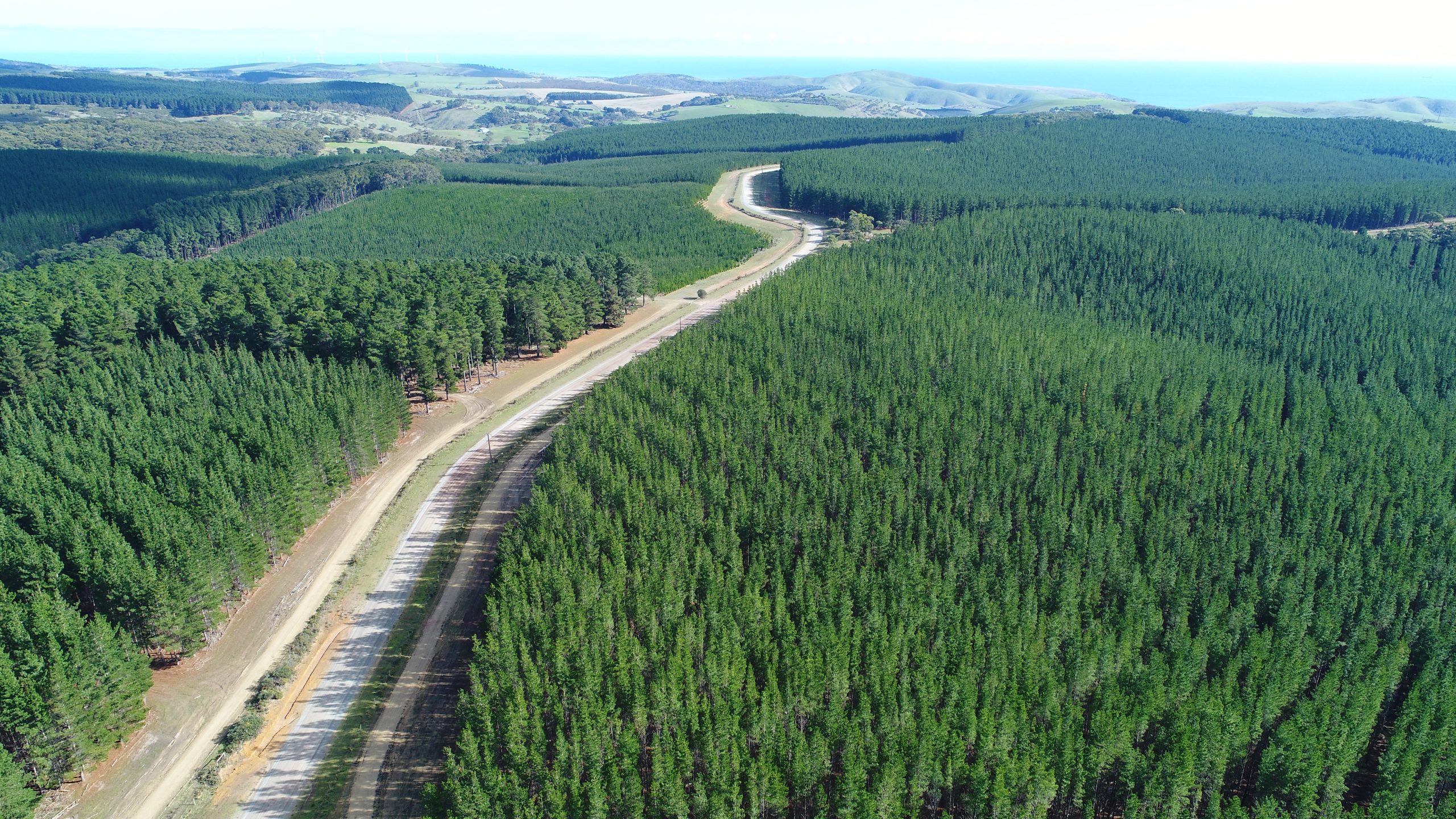

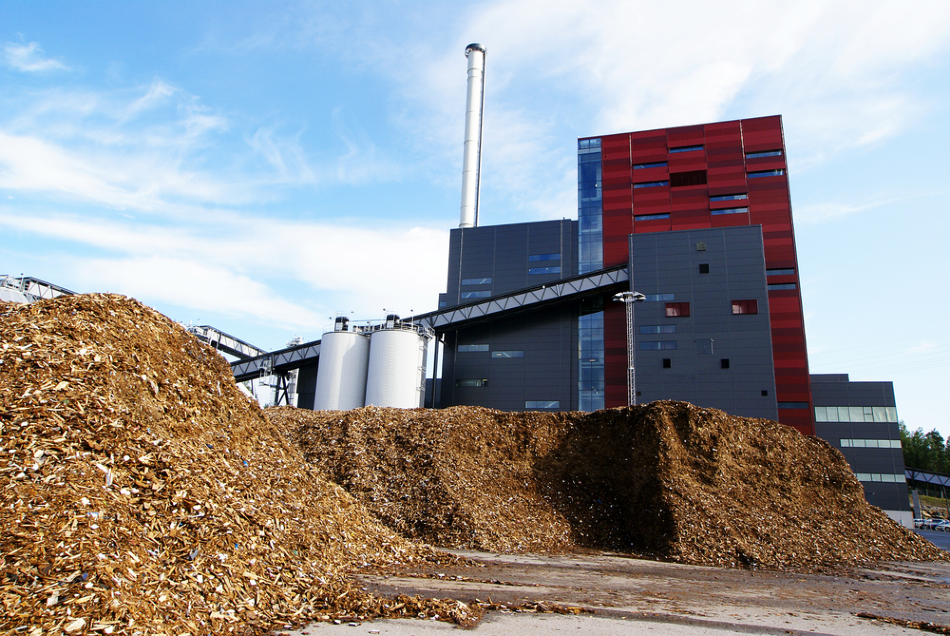
Geography strongly influences biomass logistics. Eastern states often benefit from established timber industries. Therefore, pellet production clusters near forestry operations.
Western Australia presents longer transport distances. However, mining and industrial sectors create demand for reliable thermal energy. Consequently, developers assess localized pellet supply models.
Northern regions face higher humidity levels. Thus, storage conditions require moisture control systems. Proper warehousing ensures pellet quality remains stable.
Urban centers such as Melbourne and Sydney explore commercial heating solutions. Meanwhile, rural communities adopt pellet systems for agricultural processing. Each region applies biomass according to local needs.
Technical Advantages of Wood Pellets in Australia
High Energy Density and Efficiency
Wood pellets deliver consistent calorific value. Therefore, engineers calculate predictable heat output per ton. This predictability simplifies fuel budgeting.
Pellets typically contain low moisture content. As a result, combustion efficiency increases significantly. Reduced moisture also lowers smoke and particulate emissions.
Automated feeding systems enhance operational precision. Moreover, pellet boilers adjust output based on real-time demand. This flexibility supports industrial production cycles.
Facilities that switch from coal often notice operational improvements. For example, they reduce soot accumulation in heat exchangers. Consequently, maintenance intervals extend.
Lower Emissions and Environmental Performance
Biomass fuels form part of a carbon cycle. Trees absorb carbon dioxide during growth. When pellets burn, they release stored carbon.
Sustainable forestry practices maintain balance within this cycle. Therefore, responsible sourcing remains essential. Australian regulations emphasize certified timber management.
Pellet systems emit fewer sulfur compounds than fossil fuels. Additionally, advanced filtration technologies capture particulates. These features improve air quality compliance.
Industries seeking environmental certifications often evaluate biomass adoption. Consequently, wood pellet energy supports sustainability reporting frameworks.
Applications of Wood Pellets Across Industries
Industrial Heating and Process Steam
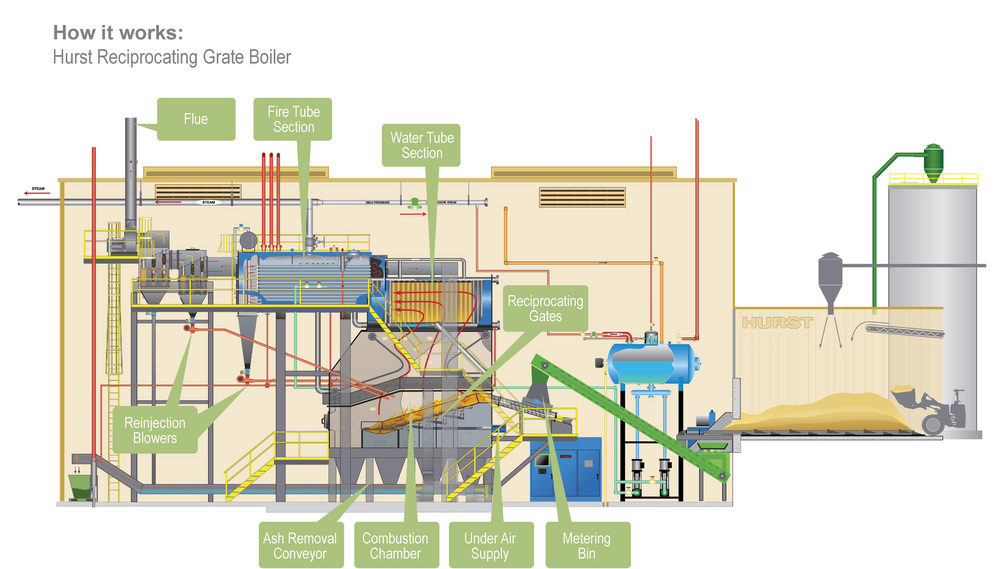

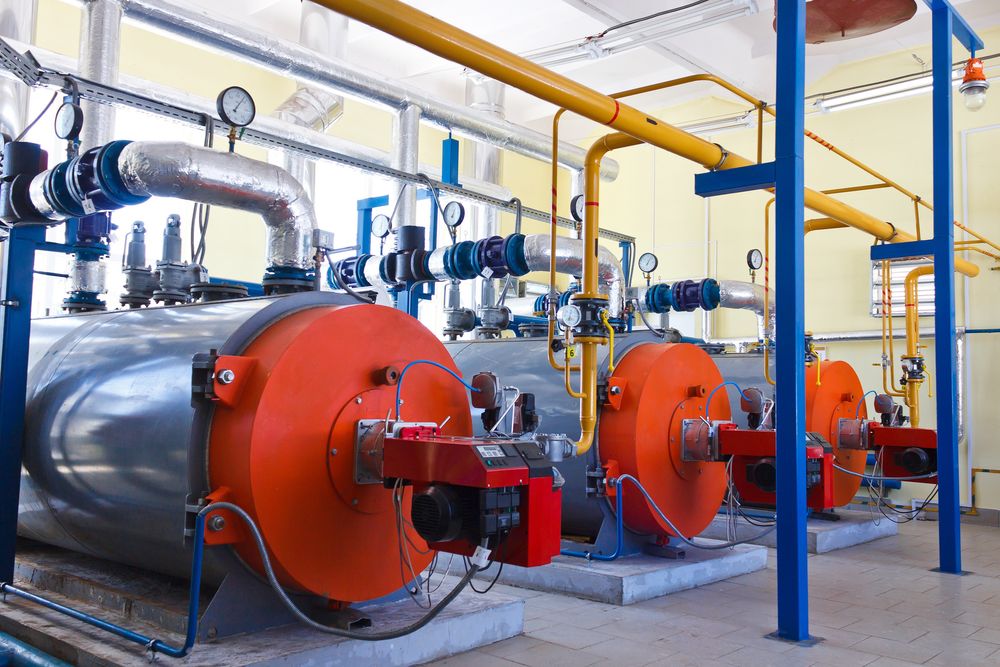
Manufacturing facilities require stable process heat. Therefore, many plants adopt biomass boilers. Wood pellets provide reliable thermal energy for steam generation.
Food processing plants use steam for sterilization. Similarly, beverage producers rely on heat for brewing and cleaning. Pellet systems integrate into these processes efficiently.
Textile and chemical industries also demand continuous heat. Consequently, operators value pellet boilers for their steady output. Automated controls reduce operator workload.
Switching fuels requires technical assessment. Engineers evaluate boiler capacity, fuel storage, and ash handling. Proper design ensures seamless transition.
Commercial and Institutional Heating
Hotels, hospitals, and schools require constant heating. Therefore, facility managers consider biomass systems. Wood pellet boilers serve district heating networks effectively.
Cold regions in southern Australia benefit significantly. Additionally, community facilities reduce energy costs over time. Centralized systems improve energy distribution efficiency.
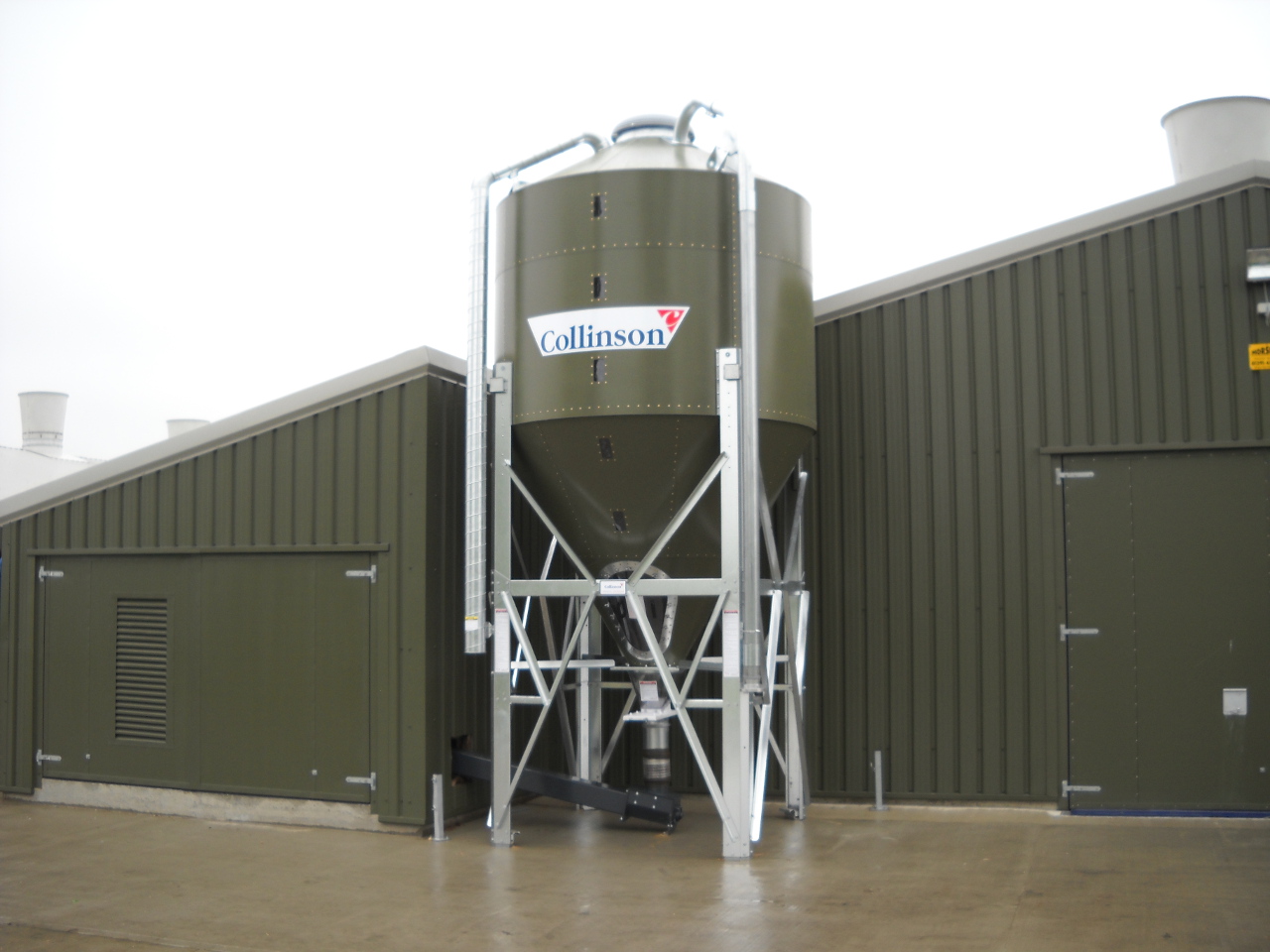
Storage silos connect directly to boiler rooms. Thus, automated feeding minimizes manual handling. This setup enhances safety and operational cleanliness.
Supply Chain and Quality Standards
Raw Material Sourcing in Australia
Producers rely on sawmills and forestry residues. Consequently, they reduce waste from timber processing. This circular approach strengthens resource efficiency.
Plantation forests provide sustainable feedstock. However, operators must ensure consistent quality. Variations in wood species influence pellet characteristics.
Quality control begins at raw material selection. Therefore, moisture testing occurs before pelletization. Producers maintain strict internal standards.
Storage, Handling, and Logistics
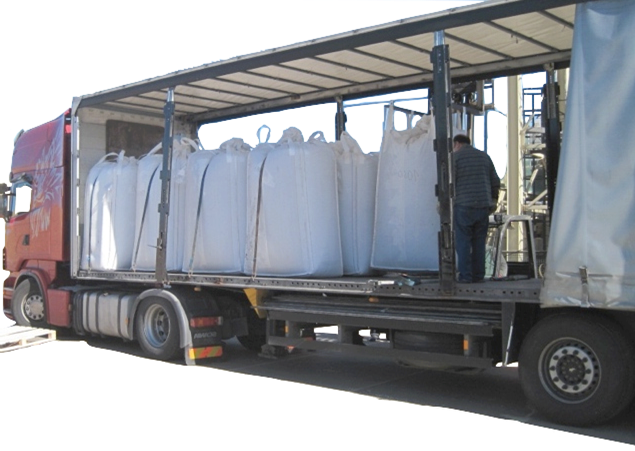

Pellets require dry storage conditions. Therefore, warehouses use ventilation and moisture barriers. Even minor humidity exposure affects pellet integrity.
Bulk transport often uses sealed trucks. Consequently, operators prevent contamination during delivery. Handling systems transfer pellets through augers or pneumatic systems.
Industrial users typically install silos. These structures protect fuel from weather exposure. Additionally, level sensors monitor stock in real time.
A reliable supply chain supports operational continuity. Therefore, businesses evaluate supplier capacity and logistics infrastructure carefully.
Economic Considerations for Wood Pellets in Australia
Cost Structure and Long-Term Planning
Fuel cost analysis includes production, transport, and storage. Therefore, organizations compare pellets with alternative fuels. Many discover stable long-term pricing advantages.
Initial system investment may exceed fossil fuel boilers. However, operational savings often balance capital costs. Energy managers calculate total lifecycle expenses.
Maintenance costs generally remain predictable. Automated systems reduce labor requirements. Consequently, facilities streamline energy management.
Risk Management and Energy Security
Australia experiences energy market volatility. Therefore, businesses seek diversified fuel sources. Biomass adds resilience to energy strategies.
Local pellet production reduces reliance on imported fuels. Additionally, regional sourcing supports domestic industries. This approach enhances supply security.
Energy diversification also mitigates regulatory risks. Companies prepare for stricter emissions standards proactively. Wood pellet systems contribute to compliance planning.
Technical Implementation Process
Feasibility Assessment and System Design
Every project begins with energy demand analysis. Engineers evaluate current heat loads and consumption patterns. Then, they determine suitable boiler capacity.
Site assessment identifies available space for storage. Consequently, designers integrate silos and feeding systems effectively. Proper layout prevents operational disruptions.
Financial modeling supports decision-making. Therefore, stakeholders review projected savings and return periods. Transparent analysis builds confidence.
Installation, Commissioning, and Training
Qualified technicians install boilers and fuel systems. After installation, teams conduct system testing. They verify combustion stability and emission levels.
Training ensures operators understand control interfaces. Moreover, maintenance teams learn cleaning and inspection procedures. This preparation supports long-term performance.
Regular monitoring maintains efficiency. Consequently, facilities schedule inspections and ash removal consistently. Proactive maintenance prevents downtime.
Sustainability and Certification Frameworks
Environmental Standards in Australia
Australia enforces environmental compliance requirements. Therefore, biomass projects must meet emission thresholds. Operators install filtration systems to meet these standards.
Sustainable forestry certification strengthens supply chain transparency. Consequently, businesses verify feedstock origin carefully. Responsible sourcing enhances credibility.
Carbon accounting frameworks increasingly influence corporate strategy. Thus, companies track emission reductions accurately. Wood pellet adoption supports measurable improvements.
Circular Economy Opportunities
Pellet production utilizes wood residues effectively. Therefore, industries reduce landfill waste. This approach aligns with circular economy principles.
Ash generated during combustion contains minerals. Some operators repurpose ash for soil applications. Consequently, they close material loops responsibly.
By integrating forestry and energy sectors, regions create synergies. Economic and environmental benefits reinforce each other.
The Role of Javawood as a Professional Solution Provider
Javawood operates as a professional biomass solution provider. The company bases its operations in Sidoarjo, East Java, Indonesia. From this location, javawood supports international biomass projects responsibly.
Javawood focuses on technical consultation and system understanding. Rather than overselling products, the team analyzes project requirements carefully. This approach ensures practical and realistic solutions.
For Australian clients, collaboration requires regulatory alignment. Therefore, javawood studies local standards before proposing options. Clear communication supports smooth project coordination.
The company emphasizes long-term partnerships. Additionally, it values knowledge sharing and transparent processes. Clients benefit from structured planning and technical clarity.
Future Outlook for Wood Pellets in Australia
Market Growth and Innovation
Demand for renewable heat continues to rise. Consequently, wood pellets in Australia maintain strong relevance. Industries seek reliable low-carbon energy alternatives.
Technological innovation improves combustion efficiency further. Smart sensors enhance performance monitoring. Therefore, operators achieve higher operational precision.
Research institutions explore hybrid systems. For example, facilities combine solar thermal with biomass boilers. This integration increases overall system resilience.
Practical Checklist Before Adopting Wood Pellet Systems
Evaluate current energy consumption patterns.
Analyze available space for storage and equipment.
Confirm pellet supply reliability within your region.
Assess regulatory compliance requirements.
Calculate lifecycle cost comparisons.
Plan operator training and maintenance schedules.
This structured approach reduces uncertainty. Furthermore, it supports informed decision-making.
Conclusion: Moving Toward Responsible Biomass Adoption
Wood pellets in Australia offer a practical renewable energy pathway. They support industrial heating, commercial facilities, and regional sustainability goals. When organizations plan carefully, they achieve operational and environmental benefits.
However, successful implementation requires technical understanding. Site assessment, fuel logistics, and compliance planning all play critical roles. Therefore, stakeholders must evaluate each factor thoroughly.
If you consider exploring biomass solutions, start with a structured consultation. Discuss your operational needs, energy targets, and regional conditions. Through careful planning and transparent dialogue, you can determine whether wood pellet systems align with your strategy.
Javawood, as a professional provider based in Sidoarjo, East Java, supports collaborative evaluation and technical discussion. If you need further insight or feasibility guidance, you may initiate a consultation to explore practical next steps in a clear and informed manner.