
Wood Pellets in Belgium: A Practical Pillar Guide for Heat, Logistics, and Long-Term Performance
Wood Pellets Belgium – Belgium needs reliable heating, and energy markets keep changing.
Therefore, many operators now evaluate wood pellets with sharper technical focus.
However, most teams still choose systems before they map real operating needs.
As a result, projects often miss efficiency targets and create avoidable downtime.
This guide gives a full, practical path from planning to stable operation.
Moreover, it explains process design, fuel quality control, and logistics decisions that matter daily.
Instead of sales talk, you will get field-ready steps and realistic tradeoffs.
Consequently, you can make decisions with clear operational logic.
At the same time, Belgium sits inside a strict European policy environment.
So, every pellet project must balance heat performance and compliance documentation.
In addition, local context matters across Flanders, Wallonia, and Brussels.
Thus, smart teams align technology choices with regional infrastructure and building demand.
You will also see where wood pellets fit, and where they do not.
Likewise, you will learn how to reduce technical risk before installation begins.
Finally, you will get a practical roadmap for a clean, stable heat strategy.
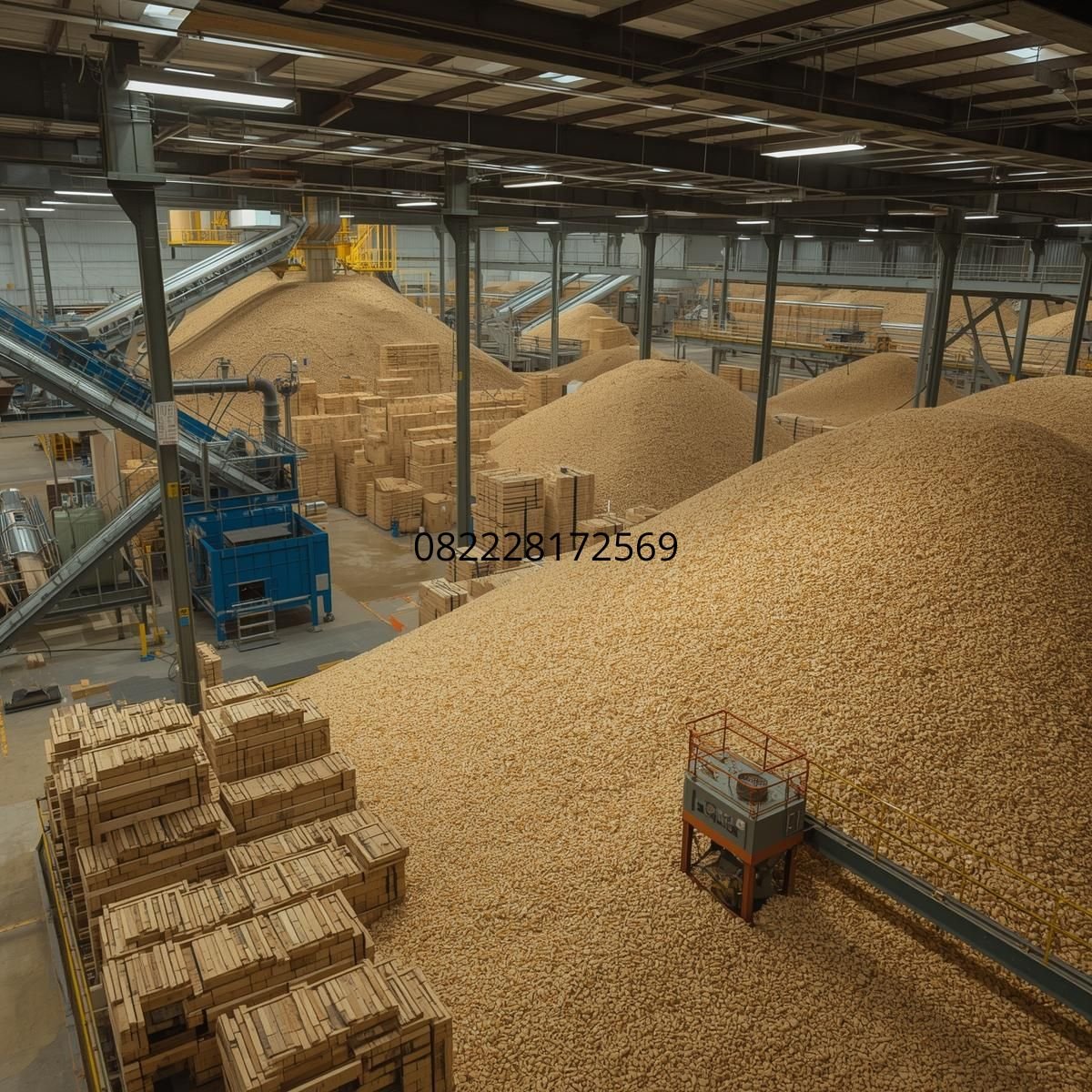
Why Wood Pellets Matter in Belgium Today
Belgium needs practical heat solutions, not theoretical slogans
Belgium runs dense urban activity and strong industrial clusters.
Therefore, buildings need consistent space heating and process heat during long cool seasons.
Meanwhile, managers face pressure to control costs and improve environmental performance.
So, teams now compare fuel options with tighter operational criteria.
Wood pellets offer standardized biomass fuel with predictable handling behavior.
Also, pellet systems support automated feeding and steady thermal output.
As a result, operators can reduce manual intervention during normal operation.
However, teams still need strict fuel specifications and disciplined maintenance habits.
In many sites, heating systems already include water-based distribution loops.
Therefore, pellet boilers can integrate into existing hydraulic networks with proper engineering.
Likewise, hybrid layouts can combine pellet base load with backup heaters.
Thus, facilities can keep comfort levels during peak demand events.
Regional context shapes project design across Belgium
Flanders often supports dense logistics access and industrial transport corridors.
So, fuel delivery planning can use multimodal options with shorter lead times.
Wallonia includes varied terrain and mixed building stock characteristics.
Therefore, planners should design storage and access routes early in development.
Brussels presents high density and strict local sensitivity around air quality.
Hence, teams must prioritize combustion tuning and emissions management from day one.
Moreover, noise control and service access require careful mechanical layout.
Consequently, early engineering reviews save costly retrofits later.
Belgium also benefits from strong port and inland transport ecosystems.
So, procurement teams can diversify sourcing routes when they build resilient contracts.
Still, smart buyers never rely on one supplier or one route.
Instead, they build redundancy before winter pressure starts.
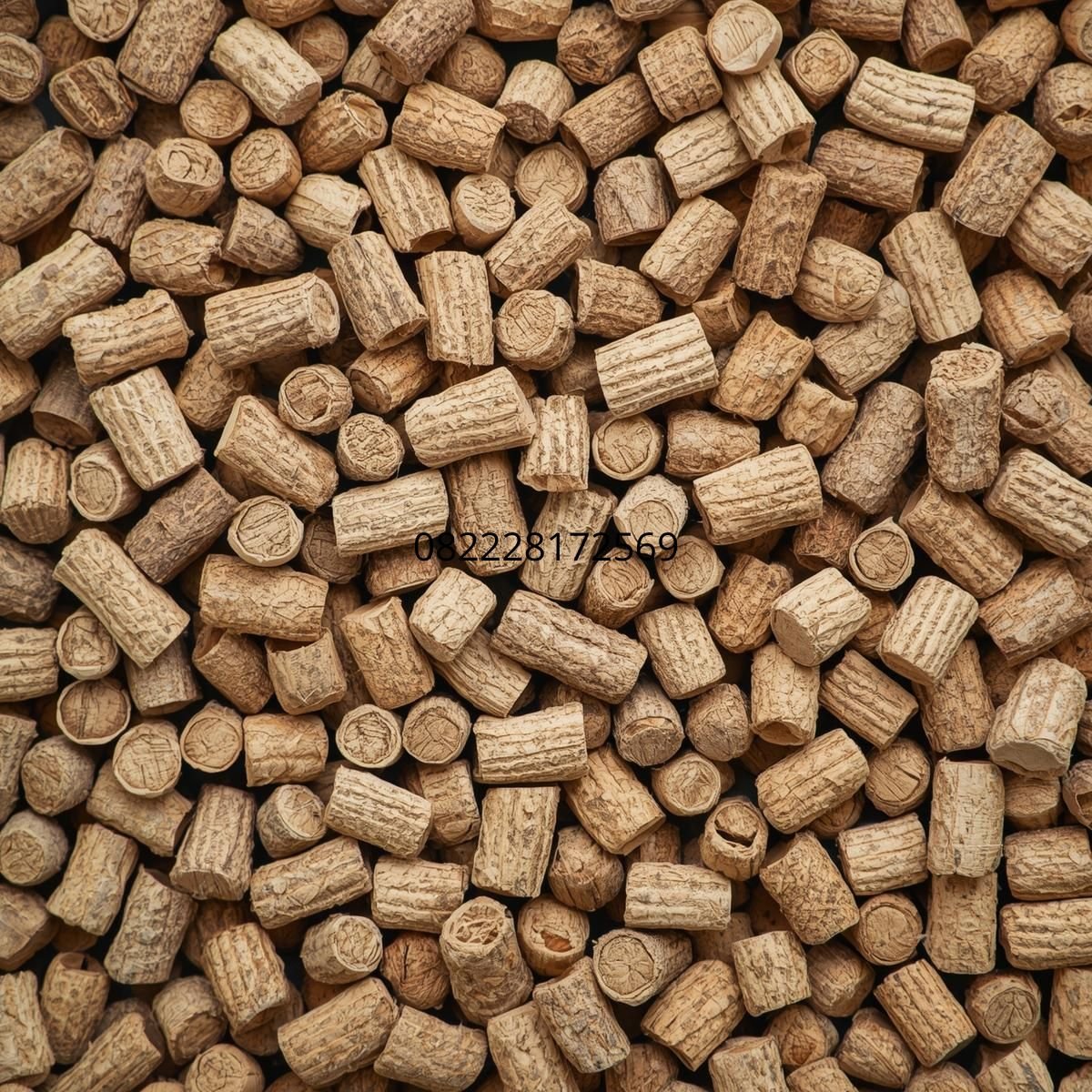
Where wood pellets create value, and where limits appear
Wood pellets perform well in sites with steady and predictable heat demand.
For example, schools, hotels, workshops, and mixed-use buildings often match this profile.
Likewise, light industry with regular thermal schedules can gain stable output.
Therefore, system sizing becomes easier and control performance improves.
However, pellet systems do not solve every thermal problem automatically.
Sites with extreme load swings need stronger buffer strategies and backup coordination.
Also, weak maintenance culture quickly destroys expected efficiency gains.
So, teams must commit to operating discipline, not only equipment purchasing.
If your site lacks dry storage space, planning becomes harder.
Similarly, poor delivery access can raise handling costs and operational risk.
Therefore, feasibility work must test physical constraints before vendor selection.
That step protects budget and prevents later design chaos.
How Wood Pellet Systems Work in Real Operations
Core components inside a pellet heating system
A complete system starts with safe and dry fuel storage.
Then, a feeder moves pellets from storage to the burner gradually.
Next, the boiler converts combustion heat into hot water or process heat.
Finally, pumps distribute that heat through the building network.
The control panel manages feed rate, combustion air, and ignition timing.
So, the flame stays stable when demand changes across the day.
In addition, sensors track temperature, pressure, and oxygen conditions continuously.
Therefore, operators can tune performance using real data, not guesses.
Ash handling equipment supports clean and consistent long-term operation.
Likewise, heat exchanger cleaning protects thermal transfer efficiency.
If teams ignore this step, fuel use rises and emissions worsen quickly.
Thus, maintenance planning directly affects economic performance.
Daily operating cycle with active control
Operators start with pre-checks on pressure, safety interlocks, and fuel flow.
Afterward, the system ignites and ramps output in controlled stages.
Then, the control logic balances fuel feed with combustion air.
Consequently, the boiler reaches stable temperature without aggressive cycling.
During operation, operators watch oxygen trends and return-water behavior.
Next, they adjust setpoints when demand moves outside planned bands.
Likewise, teams inspect ash behavior to catch quality issues early.
So, they prevent larger failures before they interrupt service.
At shutdown, operators reduce load step by step.
Then, fans and pumps complete a controlled cooldown sequence.
This practice protects refractory surfaces and mechanical seals from stress.
As a result, component life extends and unplanned failures decline.
Efficiency levers that teams often ignore
Combustion tuning strongly influences heat output and emissions quality.
Therefore, teams should calibrate controls against real operating conditions regularly.
In addition, return-water temperature management affects condensation risks and efficiency levels.
So, hydraulic design must support stable temperature differentials.
Fuel quality consistency also drives daily boiler behavior.
If pellet moisture rises, combustion quality drops and ash behavior changes.
Then, operators face unstable flame and higher cleaning frequency.
Hence, purchasing and storage control must work together.
Another lever comes from standby and cycling losses.
Oversized systems cycle more and waste usable heat.
Therefore, correct sizing and buffer strategy protect long-term efficiency.
That single decision often determines project success.
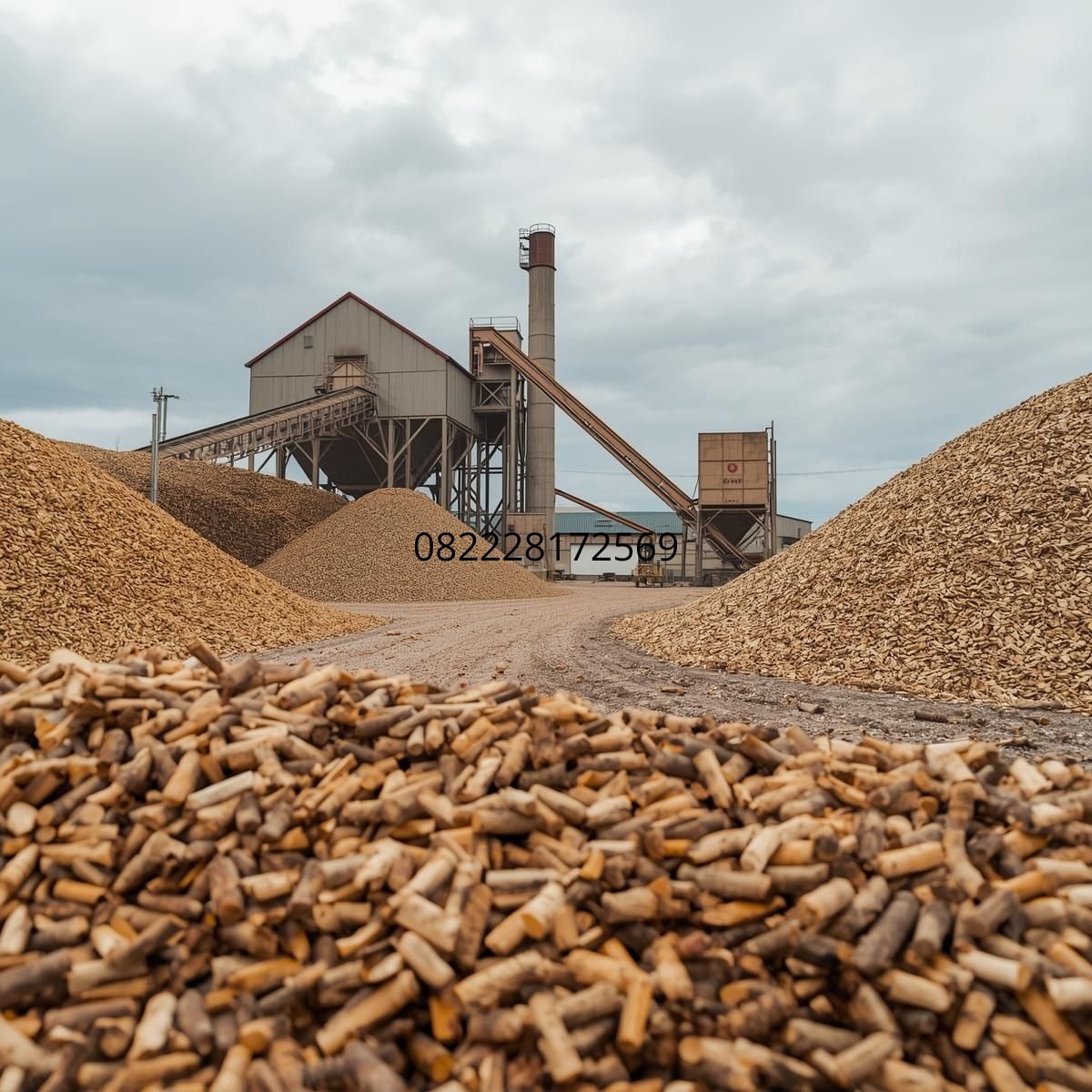
Wood Pellet Fuel Quality for the Belgian Market
ENplus and ISO standards create a practical baseline
Buyers should use recognized quality frameworks for procurement decisions.
So, teams can compare fuel lots using measurable criteria, not appearance alone.
ENplus and ISO classifications help define that technical language clearly.
Therefore, contracts can enforce consistent quality across suppliers.
High-grade residential and small commercial systems usually require tighter fuel quality.
Thus, teams often select premium pellet classes for sensitive equipment.
In larger installations, engineers may allow broader specifications with proper design margins.
Still, every system needs documented compatibility with manufacturer requirements.
Without clear quality terms, disputes appear after delivery starts.
Then, operators carry hidden costs through cleaning, downtime, and component wear.
Therefore, procurement must tie every batch to agreed test parameters.
That discipline protects both technical and financial outcomes.
Critical parameters that influence real performance
Moisture content changes ignition behavior and combustion stability quickly.
So, teams should track moisture for every incoming lot.
Low moisture supports stronger net energy performance and cleaner flame behavior.
Consequently, boilers maintain steadier output with fewer interventions.
Ash content affects cleaning frequency and deposit formation risks.
If ash rises beyond expected levels, slagging risk climbs fast.
Then, heat exchanger efficiency drops and maintenance time expands.
Therefore, ash control deserves constant attention.
Mechanical durability matters during loading, transport, and pneumatic transfer.
Weak pellets break into fines and create dust-related feeding issues.
So, systems may suffer bridging, blockage, or uneven combustion patterns.
Hence, durability checks save time and protect reliability.
Bulk density and particle size distribution also affect feeder consistency.
When feed behavior stays predictable, control systems respond better to demand shifts.
As a result, operators maintain comfort targets with less manual correction.
That consistency improves user confidence across heating seasons.
Sampling and acceptance protocol before silo transfer
Teams should sample fuel at delivery before final unloading.
Then, they compare measured results with contract specifications immediately.
If parameters fall outside limits, they document and escalate fast.
Therefore, poor batches never contaminate on-site storage.
Use simple, repeatable sampling methods for fair quality assessment.
Likewise, log each delivery with date, supplier, and test outcomes.
This record supports future troubleshooting and supplier performance reviews.
So, contract discussions stay objective and evidence-based.
Also, train receiving staff to identify warning signs quickly.
For example, unusual dust levels, odor, or visible moisture need action.
Then, teams can isolate risk before operational damage occurs.
Consequently, plant reliability remains under control.
Regulatory Framework Relevant to Wood Pellets in Belgium
European renewable direction shapes local project choices
Belgium follows the broader European transition toward cleaner energy systems.
Therefore, heat projects must align with renewable goals and traceability requirements.
Moreover, policy pressure keeps moving toward tighter compliance expectations.
So, teams need structured documentation from the first procurement step.
Project owners should map legal obligations before technical design starts.
Then, they can choose suppliers and technologies with compliant pathways.
If teams delay this work, they face approval delays and contract friction.
Hence, compliance planning belongs in early feasibility, not late paperwork.
Sustainability due diligence across biomass chains
Sustainability checks now influence market access and project credibility.
Therefore, buyers should verify sourcing practices and chain-of-custody evidence consistently.
In addition, teams should request clear legal origin and processing records.
So, they can answer audits without last-minute scrambling.
Contract language should define document obligations for every shipment.
Then, suppliers know expectations before volume commitments begin.
Likewise, buyers should audit document quality during normal operations.
This habit prevents compliance surprises in critical periods.
Strong due diligence also protects business reputation.
Stakeholders increasingly inspect environmental claims with sharp scrutiny.
Therefore, transparent sourcing strategy supports both operations and public trust.
That advantage matters in competitive procurement contexts.
Ecodesign and air quality management at site level
Equipment selection should match applicable design and emissions expectations.
So, teams must verify certified performance before purchase approval.
Next, commissioning should include combustion tuning under realistic load scenarios.
Therefore, measured performance reflects true daily operation.
Local authorities may apply stricter expectations in dense urban zones.
Hence, planners should assess site-specific sensitivity early.
Also, teams should integrate emissions checks into preventive maintenance routines.
That practice catches drift before it becomes a compliance problem.
Air quality outcomes depend on both fuel and operation quality.
Therefore, operators must treat training as a core technical control.
When staff understand combustion behavior, sites perform better consistently.
As a result, facilities protect uptime and compliance together.

Supply Chain and Logistics for Wood Pellets in Belgium
Port access and inland distribution realities
Belgium benefits from major maritime gateways and inland transport links.
Therefore, pellet import and redistribution can scale when planning stays disciplined.
However, transport disruptions still occur across global and regional routes.
So, resilient logistics design remains essential.
Teams should map primary entry points and backup alternatives early.
Then, they can switch routes without operational panic during disruption events.
Likewise, planners should align delivery frequency with seasonal demand curves.
That coordination prevents emergency purchases at weak price points.
Inland distribution often combines truck, barge, and rail options.
Hence, procurement should evaluate total delivered cost, not only port price.
Also, route choice affects timing reliability and carbon footprint performance.
Therefore, logistics strategy should support both economics and sustainability goals.
Multimodal planning beats single-route dependency
A single transport route creates brittle operations during market stress.
So, mature teams build at least two workable route combinations.
For example, they pair maritime bulk entry with regional truck flexibility.
Then, they preserve service even when one channel slows down.
Rail and barge can lower congestion exposure in some corridors.
Meanwhile, trucks remain crucial for last-mile delivery precision.
Therefore, planners should optimize each mode for its best role.
This balanced approach improves reliability and budget control.
Delivery windows should match on-site unloading capability exactly.
If schedules mismatch, teams create queues, delays, and handling losses.
So, logistics planning must involve operations staff directly.
That cross-team coordination reduces avoidable friction.
Storage and unloading design affects daily reliability
Storage geometry strongly influences pellet flow behavior.
Therefore, engineers should design hopper angles and outlet locations carefully.
In addition, loading methods should limit pellet breakage during transfer.
This step reduces fines and feeding instability.
On-site access also influences truck type and unloading method.
So, site planners should test turning radius and safety routes beforehand.
Likewise, teams should define weather protocols for wet conditions.
These details prevent avoidable delivery incidents.
Finally, inventory policy should reflect seasonal demand and lead times.
Too little stock creates outage risk during cold peaks.
Too much stock can degrade quality with long residence time.
Therefore, dynamic stock targets offer better operational balance.
Technical Design: Build for Stability, Not Just Installation
Load profiling and boiler sizing
Start with hourly and seasonal demand profiling from real data.
Then, define base load, shoulder load, and peak requirements clearly.
Next, size pellet capacity for stable operation across normal demand bands.
Therefore, the system avoids harmful short cycling.
Do not size only for extreme peak moments.
Instead, assign rare peaks to backup systems or thermal storage support.
This strategy keeps pellet units within efficient operating zones.
As a result, fuel economy and component life improve.
Also, review future demand changes before final sizing.
Building upgrades, occupancy shifts, or process changes may alter thermal needs.
So, design flexibility should stay part of early engineering decisions.
That foresight prevents costly redesign later.
Hydraulic integration and thermal distribution
Hydraulic layout determines real heat delivery performance.
Therefore, engineers must define flow rates and control points carefully.
In addition, buffer tanks can smooth demand spikes effectively.
So, boilers run steadier and controls behave better.
Mixing loops and return temperature management protect system health.
If return temperatures drift poorly, efficiency and stability suffer quickly.
Hence, teams should validate hydraulic logic during commissioning tests.
This validation prevents hidden losses.
Pump selection also deserves close attention.
Oversized pumps waste electricity and create control instability.
Undersized pumps limit heat transfer during high demand periods.
Therefore, pump choices should match verified hydraulic calculations.
Controls, sensors, and operating intelligence
Smart controls improve reliability only when configuration matches site behavior.
So, teams should tune control logic with real operating data.
Likewise, sensor quality and placement determine decision accuracy.
Therefore, instrumentation design needs engineering rigor.
Continuous logging helps teams detect drift before failure occurs.
Then, staff can schedule corrective action without service disruption.
In addition, alarm priorities should reflect real risk severity.
This structure avoids alarm fatigue.
Remote monitoring can support faster troubleshooting across multiple sites.
However, teams still need local operators with solid fundamentals.
Technology supports people, but it never replaces operating discipline.
So, training remains a non-negotiable control measure.
Project Execution: From Feasibility to Stable Operation
Phase 1: Energy audit and feasibility screening
First, collect at least one year of thermal consumption data.
Then, map demand patterns by hour, day, and season.
Next, inspect site constraints, including access and storage potential.
Therefore, early design reflects physical reality.
Run comparative scenarios against current heating alternatives.
Include capital cost, operating cost, and risk-adjusted downtime factors.
Also, model conservative and stress-case fuel assumptions.
This method prevents optimistic budgeting errors.
At this phase, define success metrics clearly.
For example, track target efficiency, uptime, and service response times.
Then, all stakeholders can evaluate progress objectively later.
That clarity reduces conflict during implementation.
Phase 2: Engineering design and procurement discipline
After feasibility, develop detailed layouts and control architecture.
Then, specify equipment envelopes that match demand and compliance goals.
Next, create procurement documents with measurable technical criteria.
Therefore, bids become comparable and transparent.
Procurement should evaluate lifecycle value, not headline price alone.
Cheap equipment can trigger expensive failures during peak season.
So, teams should score service capability and spare availability heavily.
This practice protects uptime.
Fuel supply contracts need strict quality and delivery clauses.
Include acceptance methods, rejection rights, and corrective action timelines.
Also, define performance review cycles with suppliers.
Consequently, contract management stays proactive.
Phase 3: Installation, commissioning, and stabilization
Installation teams should follow sequence control across mechanical and electrical scopes.
Then, commissioning engineers test each subsystem before integrated operation begins.
Next, they run staged load tests under realistic conditions.
Therefore, control tuning reflects true usage patterns.
Operator training should occur during commissioning, not afterward.
Hands-on sessions help staff understand alarms, adjustments, and maintenance logic.
Also, teams should rehearse contingency procedures before go-live.
This preparation reduces panic during first incidents.
After startup, track performance daily for an initial stabilization period.
Then, tune setpoints and maintenance intervals using observed behavior.
Likewise, review fuel quality logs against performance trends.
As a result, the system reaches stable, repeatable operation faster.
Economics: Calculate Real Heat Cost, Not Marketing Numbers
Cost stack that drives decision quality
Economic analysis starts with full capital scope mapping.
So, include boiler package, storage, civil work, and controls integration.
Then, add commissioning, training, and safety upgrades.
This approach prevents hidden CAPEX surprises.
Operating cost includes fuel, electricity, service labor, and consumables.
Moreover, scheduled cleaning and parts replacement require realistic budgeting.
If teams ignore these items, payback projections become fiction.
Therefore, include them from day one.
Downtime cost also matters in commercial and industrial settings.
Lost service or production can dwarf fuel savings quickly.
So, risk-adjusted cost models provide better investment signals.
That rigor supports stronger board decisions.
Practical formula for annual pellet demand
Use this sequence for quick planning estimates.
First, define annual useful heat demand in kilowatt-hours.
Then, divide by expected system efficiency.
Next, divide by net calorific value per kilogram.
This calculation gives estimated annual pellet mass requirement.
Afterward, apply a prudent seasonal safety margin.
However, avoid excessive stock that extends storage residence time.
Therefore, refine estimates with monthly demand patterns.
Also, update assumptions after the first operating season.
Real data usually differs from feasibility forecasts.
Then, procurement can align contract volumes more accurately.
This cycle improves cost control every year.
Contract strategy that protects cash flow and reliability
Use indexed pricing structures when markets move unpredictably.
Then, both sides can manage risk through transparent adjustment logic.
Also, set clear quality penalties for non-conforming deliveries.
Therefore, suppliers stay accountable.
Split annual volume across at least two qualified suppliers.
This structure reduces single-point supply failure risk.
Likewise, stagger delivery schedules across routes where possible.
That diversification improves resilience.
Finally, review supplier scorecards quarterly with operational data.
Track quality consistency, delivery accuracy, and issue response speed.
Then, contract decisions reflect performance, not habit.
As a result, procurement quality improves continuously.
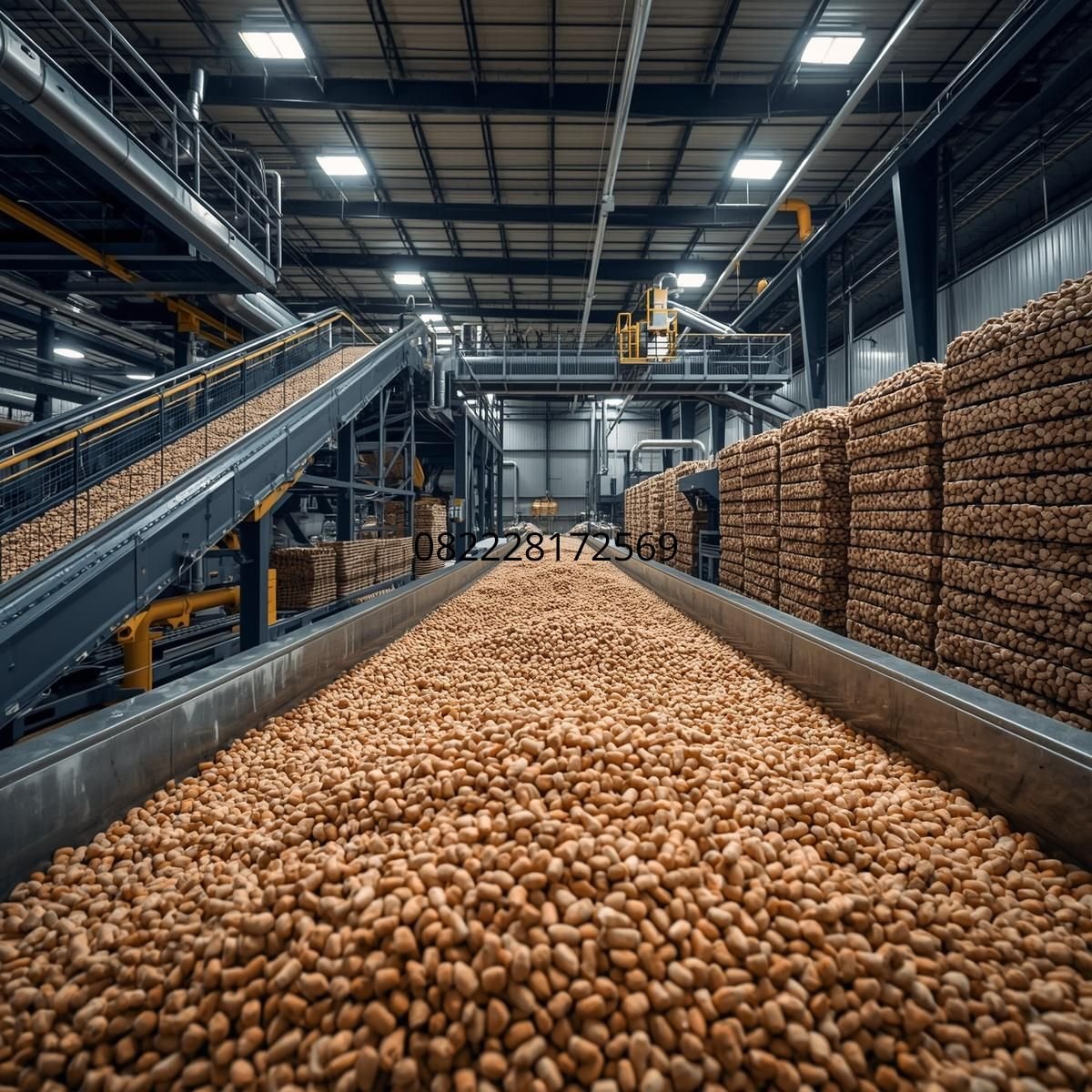
Risk Management for Wood Pellets in Belgium
Technical risks in combustion and equipment behavior
Slagging and fouling can reduce heat transfer rapidly.
Therefore, teams must control fuel ash behavior and combustion settings carefully.
In addition, poor tuning increases particulate emissions and fuel waste.
So, regular calibration remains essential.
Feeder blockages often start with fines and weak flow design.
Then, uneven feed destabilizes flame quality and output.
Hence, storage and transfer engineering deserve serious attention.
This step prevents recurring stoppages.
Thermal stress can damage components during aggressive cycling patterns.
Therefore, sizing and buffer strategy influence reliability directly.
Also, controlled startup and shutdown procedures protect equipment health.
Operational discipline matters every day.
Operational safety risks in storage and handling
Pellet storage areas need clear ventilation and access rules.
So, teams should establish strict entry procedures and monitoring checks.
Likewise, dust control measures should stay active during unloading.
These practices reduce avoidable exposure hazards.
Moisture ingress creates flow and combustion problems quickly.
Therefore, sites must maintain dry storage integrity continuously.
In addition, housekeeping routines should remove dust accumulation systematically.
That habit improves safety and reliability together.
Training should cover emergency response and routine safe behavior.
Then, operators act confidently during abnormal events.
Also, supervisors should run periodic drills with documented lessons.
As a result, teams build strong safety culture.
Supply and compliance risks across changing conditions
Global logistics shocks can delay shipments with little warning.
Therefore, inventory and route redundancy remain critical controls.
Also, regulatory expectations may tighten over time.
So, compliance systems need regular updates.
Documentation gaps can trigger legal and commercial problems quickly.
Hence, procurement and compliance teams should collaborate continuously.
In addition, digital records help teams retrieve evidence fast.
This structure supports smoother audits.
Political and market volatility can affect price and availability.
Therefore, scenario planning should inform contract design and stock policy.
Teams that plan early handle disruptions far better.
Prepared organizations protect operations under pressure.
Segment Playbooks: Practical Use Cases in Belgium
Residential and small building applications
Small users value comfort, simplicity, and quiet operation.
Therefore, system design should prioritize easy controls and service access.
Also, installers should explain routine maintenance in plain language.
This support improves user satisfaction.
Fuel quality consistency matters strongly in smaller equipment.
So, users should buy from trusted suppliers with stable specifications.
Likewise, storage should stay dry and easy to refill.
These choices reduce daily inconvenience.
For seasonal users, delivery timing needs careful planning.
Then, households avoid emergency purchases during demand spikes.
In addition, maintenance should occur before winter starts.
That schedule prevents cold-season failures.
Commercial facilities such as hotels, schools, and public buildings
Commercial sites need high uptime and predictable comfort delivery.
Therefore, managers should combine robust controls with clear service contracts.
Also, remote monitoring can speed issue diagnosis.
This capability reduces disruption.
Many facilities benefit from hybrid heating strategies.
Pellet systems can carry base demand efficiently.
Then, backup heaters can handle unusual peaks safely.
So, operations remain stable through variable conditions.
Facility teams should review performance monthly with trend dashboards.
Track fuel intensity, alarm frequency, and maintenance workload.
Then, teams can correct drift before costs escalate.
This routine drives continuous improvement.
Light industry and process heat users
Industrial users often require repeatable thermal output quality.
Therefore, engineers should design redundancy for critical process continuity.
Also, fuel acceptance protocols should run without compromise.
This rigor protects production schedules.
Process sites should integrate heating controls with plant operations data.
Then, managers can optimize thermal performance against production cycles.
Likewise, preventive maintenance should follow condition-based signals when possible.
That strategy reduces unplanned downtime.
Contract structures should reflect business-critical reliability needs.
So, include response time obligations and spare parts readiness.
In addition, hold periodic technical reviews with vendors and suppliers.
This partnership improves resilience.
Javawood as a Professional Solutions Partner
Javawood works as a professional solutions provider with a practical engineering approach.
Therefore, the team focuses on real operating needs, not marketing slogans.
Moreover, Javawood supports decision-making through data-driven technical discussion.
So, clients can evaluate options with clear tradeoffs.
Javawood operates from Sidoarjo, East Java.
At the same time, the team can support cross-border project communication effectively.
Thus, clients in Belgium can build structured plans without inflated claims.
The value comes from method, not office branding.
Javawood can help define fuel specifications and system priorities early.
Then, project teams can avoid common design and procurement mistakes.
Likewise, Javawood can support implementation roadmaps and risk controls.
This guidance improves execution quality.
The approach stays realistic and context-based.
Therefore, recommendations align with site constraints and regulatory considerations.
Also, discussions remain practical, technical, and transparent.
That style helps teams move faster with fewer surprises.
12-Month Action Plan for Wood Pellets in Belgium
Months 1–2: Baseline and strategic alignment
Collect demand data and cost history first.
Then, define business goals across reliability, compliance, and budget outcomes.
Next, screen site constraints and logistics access pathways.
Therefore, your plan starts from facts.
Months 3–4: Concept design and financial modeling
Build preliminary system concepts with sizing options.
Then, test conservative, expected, and stress-case financial scenarios.
Also, define quality standards and procurement principles early.
So, project direction stays coherent.
Months 5–7: Procurement and contract finalization
Issue technical specifications and evaluate vendor capability deeply.
Next, negotiate fuel quality, delivery terms, and performance accountability clauses.
Then, secure backup sourcing strategy before seasonal pressure rises.
This step protects continuity.
Months 8–10: Installation and integrated commissioning
Execute installation with strict sequence control.
Afterward, run subsystem tests and staged load commissioning.
Then, train operators using real operating scenarios onsite.
Therefore, teams build confidence before full launch.
Months 11–12: Stabilization and performance optimization
Track key metrics daily and review trends weekly.
Then, refine setpoints, cleaning intervals, and service routines.
Also, compare actual fuel quality against performance outcomes.
Consequently, operation stabilizes with measurable gains.
Frequently Asked Questions About Wood Pellets in Belgium
Are wood pellets always cheaper than gas?
No, market conditions change and price dynamics shift.
However, strong system efficiency and solid contracts can improve total heat economics.
Therefore, always compare full lifecycle scenarios, not spot prices.
That method gives reliable decisions.
Can any pellet type run in any boiler?
No, boilers require compatible fuel quality ranges.
If you ignore this, failures and maintenance costs rise quickly.
So, match procurement specifications with manufacturer requirements exactly.
This rule prevents trouble.
Should I focus only on price per ton?
No, price per ton misses real heat cost.
Instead, calculate useful heat cost per delivered kilowatt-hour.
Then, include maintenance and downtime factors honestly.
That comparison reflects reality.
Do I need specialized operation discipline?
Yes, pellet systems reward disciplined operation strongly.
You need regular checks, tuning, and quality control.
Otherwise, efficiency drops and disruptions increase.
So, train staff consistently.
Does Belgium support practical pellet logistics?
Yes, Belgium offers strong logistics infrastructure and route flexibility.
Still, no system works without contingency planning.
Therefore, diversify suppliers and transport routes from the start.
That strategy strengthens resilience.
Conclusion: Build a System That Performs Under Real Pressure
Wood pellets in Belgium can deliver reliable, practical heat when teams execute with discipline.
Therefore, success depends on engineering quality, fuel consistency, and strong operating routines.
Moreover, compliance and logistics planning must start early, not after procurement.
This sequence creates durable results.
If your team wants stable outcomes, treat this as an operations project.
Do not treat it as a one-time equipment purchase.
Then, you will control risk and protect long-term economics.
That mindset separates solid projects from expensive mistakes.
If useful, you can start with a focused technical consultation.
Javawood can help map needs, risks, and realistic implementation options.
You stay in control, and your team gains a clearer decision framework.
That is a practical first step without pressure.