
Wood Pellets in Denmark: A Comprehensive Guide to Sustainable Energy Solutions
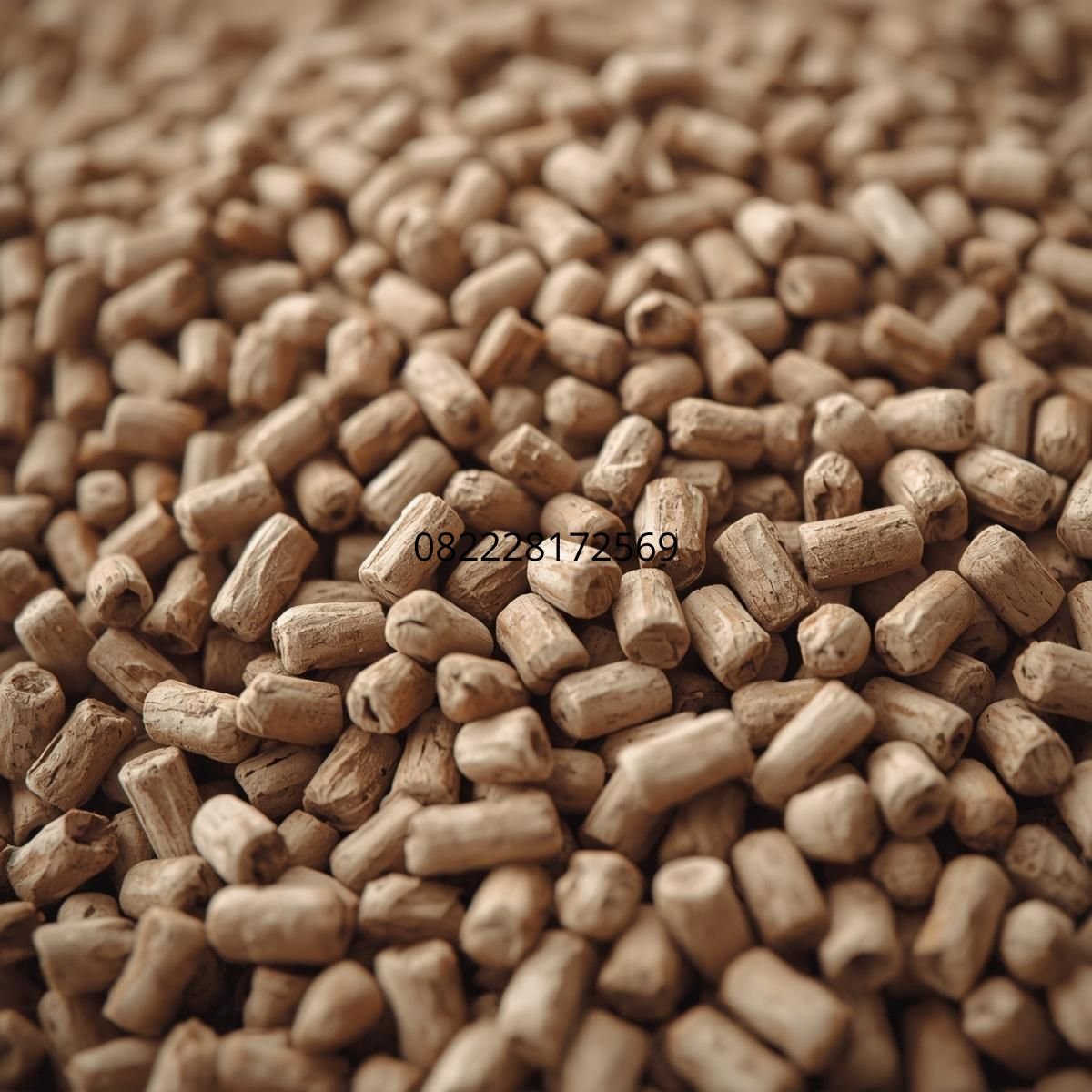
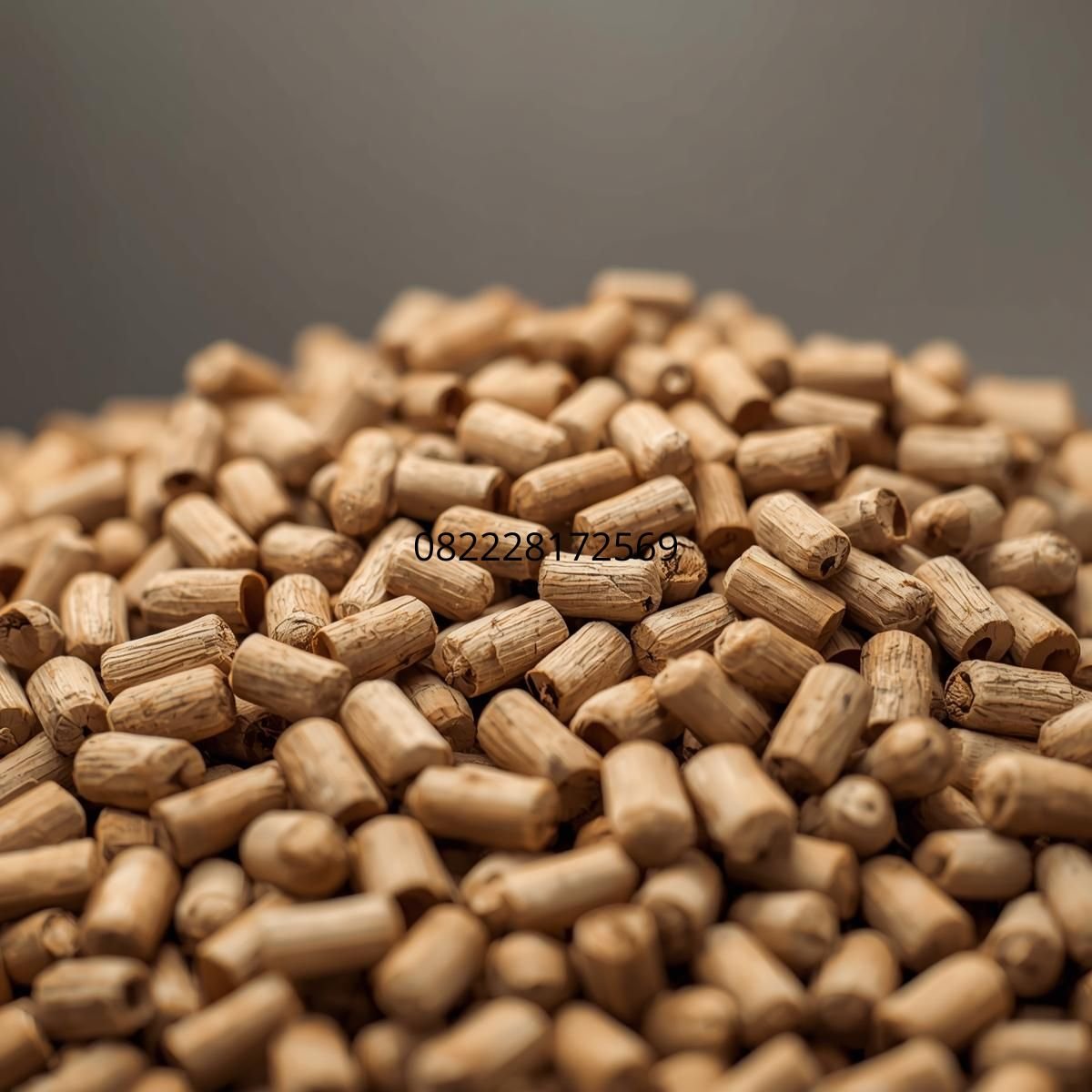
Wood Pellets Denmark – Wood pellets have gained significant traction in Denmark as a sustainable energy source. These small, cylindrical pellets are made from compressed sawdust, wood chips, and other wood byproducts. As Denmark continues its efforts to transition towards renewable energy, wood pellets have become an integral part of its green energy landscape. This article explores the growing importance of wood pellets in Denmark, their benefits, technical considerations, and practical applications in various industries.
The Rising Popularity of Wood Pellets in Denmark
Denmark is a country that has long been recognized for its commitment to renewable energy. Over the years, the nation has made substantial strides in reducing its dependence on fossil fuels, with a particular emphasis on wind power, solar energy, and biomass. Among the various renewable energy sources, wood pellets have emerged as one of the most reliable and environmentally friendly options.
A Green Solution for Denmark’s Energy Needs
Denmark’s energy policy focuses on reducing carbon emissions and promoting sustainability. Wood pellets provide an efficient solution to meet these goals. They are a renewable energy source that offers a lower carbon footprint compared to traditional fuels like coal and natural gas. Furthermore, wood pellets are considered carbon-neutral because the carbon dioxide released during combustion is offset by the carbon absorbed by the trees during their growth.
Denmark’s Biomass Energy Sector
The Danish government has actively supported the development of biomass energy, which includes wood pellets. Biomass energy plays a crucial role in Denmark’s strategy to achieve its ambitious climate targets. Wood pellets, as a form of biomass, are increasingly used in power plants and industrial boilers to generate heat and electricity. This shift towards biomass not only helps reduce greenhouse gas emissions but also supports the Danish economy by utilizing locally sourced materials.
The Process of Making Wood Pellets
The production of wood pellets involves several key steps, each contributing to the final product’s efficiency and quality. Understanding the process helps to appreciate the value that wood pellets bring to the energy sector.
Sourcing Raw Materials
The first step in wood pellet production is sourcing raw materials. Wood pellets are typically made from sawdust, wood chips, and other byproducts of the timber industry. In Denmark, these materials are often sourced from sustainably managed forests. The country’s commitment to sustainable forestry practices ensures that the raw materials used in pellet production are renewable and contribute to responsible land management.
Drying and Grinding
Once the raw materials are collected, they are dried to reduce moisture content. This step is essential to ensure that the pellets burn efficiently and produce minimal smoke. After drying, the materials are ground into a fine powder, which will be compacted into pellets.
Pelletizing
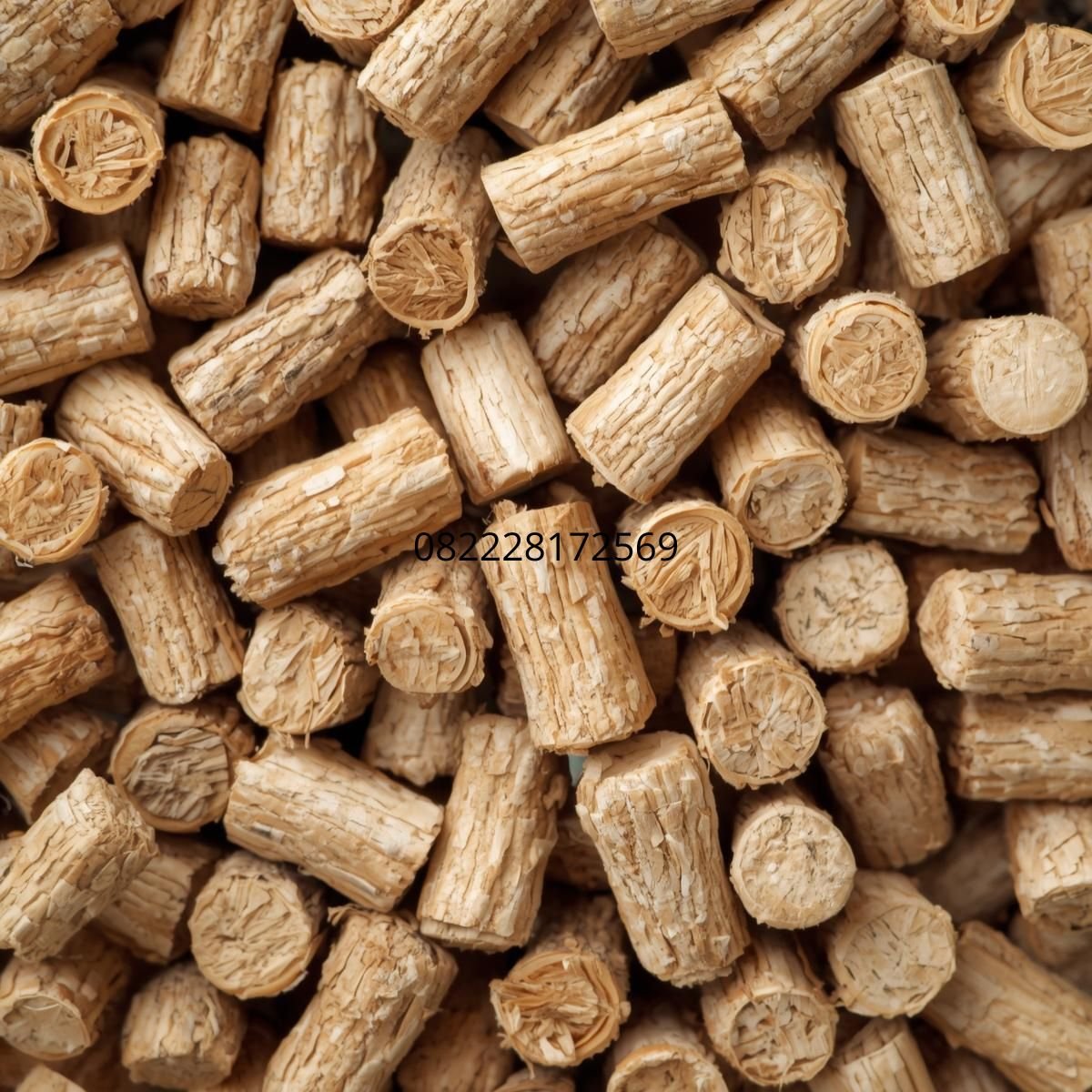
The next stage is pelletizing. The ground material is fed into a pellet mill, where it is compressed under high pressure to form small, dense pellets. These pellets are typically around 6 to 8 millimeters in diameter. During this process, heat generated by the pressure causes the lignin in the wood to melt and bind the particles together, eliminating the need for chemical additives.
Cooling and Packaging
After pelletizing, the pellets are cooled to reduce their temperature and prevent them from breaking apart. Once cooled, the wood pellets are packaged and prepared for distribution. Depending on the intended use, they may be sold in bulk for industrial applications or packaged in bags for residential heating.
Benefits of Using Wood Pellets in Denmark
Wood pellets offer a range of benefits that make them a viable and attractive energy source for Denmark. Their environmental, economic, and practical advantages make them a key player in Denmark’s energy future.
Environmental Benefits
Wood pellets are considered a carbon-neutral energy source. When burned, they release carbon dioxide into the atmosphere, but this is the same carbon dioxide that was absorbed by the trees during their growth. As a result, the combustion of wood pellets does not contribute to net carbon emissions. This makes wood pellets a much cleaner alternative to fossil fuels like coal and oil, which release harmful greenhouse gases.
Additionally, using wood pellets reduces the need for fossil fuels, helping to decrease Denmark’s reliance on non-renewable energy sources. By shifting to biomass, Denmark can continue to reduce its carbon footprint and work towards its climate goals.
Economic Advantages
The use of wood pellets in Denmark’s energy sector also has economic benefits. The production and use of wood pellets create jobs in the forestry, manufacturing, and logistics sectors. Additionally, wood pellets are often sourced locally, which supports the Danish economy by reducing the need for energy imports.
In recent years, Denmark has also seen a decrease in the cost of wood pellets due to increased production and greater efficiency in the supply chain. As demand for wood pellets continues to grow, economies of scale will likely lead to even lower prices, making them an increasingly affordable energy option.
Practical and Efficient Energy Source
Wood pellets are highly efficient and provide a consistent and reliable energy source. They are easy to store, transport, and handle, making them a practical solution for both industrial and residential applications. The high energy density of wood pellets means they can generate a substantial amount of heat from a relatively small volume, which makes them an ideal choice for heating homes, businesses, and industrial facilities.
Moreover, the combustion of wood pellets produces minimal ash and particulate matter, making them a cleaner option for heating systems compared to traditional fuels. This contributes to improved air quality and reduces the need for frequent maintenance in heating equipment.
Wood Pellets in Denmark’s Heating Industry
Wood pellets are widely used in Denmark’s residential and commercial heating systems. They provide a sustainable and cost-effective alternative to traditional heating methods, such as oil or gas.
Residential Heating Solutions
In Denmark, many homeowners are opting for pellet stoves and boilers to heat their homes. These systems are designed to burn wood pellets efficiently, providing a steady source of heat. Pellet stoves are particularly popular because they are easy to install and maintain, making them an attractive option for homeowners looking to reduce their heating costs while minimizing their environmental impact.
In addition to pellet stoves, wood pellet boilers are commonly used in larger homes and commercial buildings. These systems offer higher heating capacities and are ideal for spaces that require consistent heat throughout the day.
Industrial and Commercial Heating
The use of wood pellets is also widespread in Denmark’s industrial sector. Biomass power plants and large commercial facilities use wood pellets to generate heat and electricity. These facilities often have specialized equipment designed to handle large quantities of pellets and convert them into energy. The use of wood pellets in these industries helps to meet Denmark’s energy demands while supporting the transition to renewable energy.
Considerations for Using Wood Pellets in Denmark
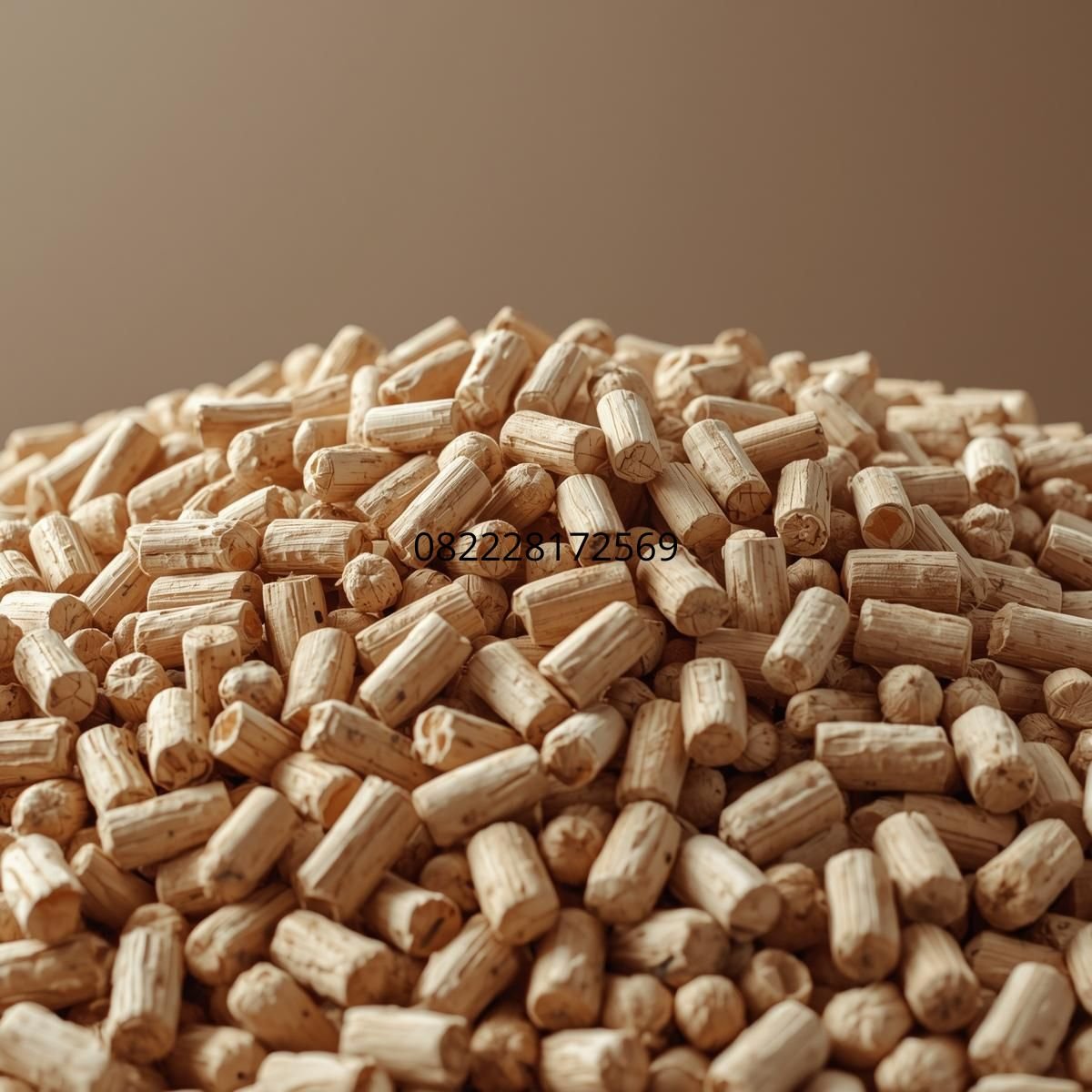
While wood pellets offer numerous benefits, there are several technical and practical considerations to keep in mind when using them as an energy source.
Quality of Pellets
The quality of wood pellets can vary depending on the raw materials used and the production process. High-quality pellets are essential for efficient combustion and minimal emissions. In Denmark, strict quality standards are in place to ensure that wood pellets meet the necessary criteria for performance and safety. It is important to choose reputable suppliers who adhere to these standards to ensure the best results.
Storage and Handling
Proper storage and handling of wood pellets are critical to maintaining their quality and ensuring efficient combustion. Pellets should be stored in a dry, cool place to prevent moisture absorption, which can affect their burning efficiency. Additionally, pellets should be stored in airtight containers to protect them from pests and contaminants.
Pellet Stove and Boiler Maintenance
Like any heating system, pellet stoves and boilers require regular maintenance to ensure optimal performance. Cleaning the system periodically and replacing worn parts will help extend the lifespan of the equipment and maintain its efficiency. Many manufacturers provide maintenance guidelines, and it is essential to follow these instructions to avoid unnecessary repairs.
The Growing Demand for Wood Pellets in Denmark
As Denmark’s commitment to sustainability continues to strengthen, the demand for wood pellets is on the rise. These compact, renewable fuel sources are being adopted by a growing number of industries and homeowners alike. This shift towards renewable biomass energy has solidified Denmark’s position as a leader in the green energy transition, positioning wood pellets as a key player in the nation’s future energy mix.
Wood Pellets and Denmark’s Carbon Neutral Goals
Denmark has set an ambitious target of becoming carbon-neutral by 2050. To achieve this, the country is focusing on reducing emissions across all sectors, from energy generation to transportation. Wood pellets are an important tool in reaching these goals due to their carbon-neutral nature. The process of growing, harvesting, and burning wood pellets does not release more carbon dioxide into the atmosphere than was absorbed by the trees during their growth. Therefore, the carbon emissions from burning wood pellets are essentially offset, making them a sustainable energy solution for Denmark’s future.
In addition to their carbon-neutral status, wood pellets also provide a significant reduction in the overall environmental impact when compared to traditional fossil fuels. Coal, for example, produces large amounts of carbon dioxide and other harmful emissions when burned. In contrast, biomass energy from wood pellets offers a cleaner, more environmentally friendly alternative that helps to mitigate climate change. This shift is crucial for Denmark as it continues to lead by example in the fight against global warming.
The Role of Wood Pellets in Denmark’s Power Plants
Wood pellets have a substantial role to play in Denmark’s power generation sector. Many of the country’s power plants have converted from coal to biomass, including wood pellets, as part of the national strategy to reduce fossil fuel reliance. This transition has proven to be a critical step in Denmark’s commitment to renewable energy, contributing significantly to the country’s emissions reductions.
Biomass Power Plants and Their Efficiency
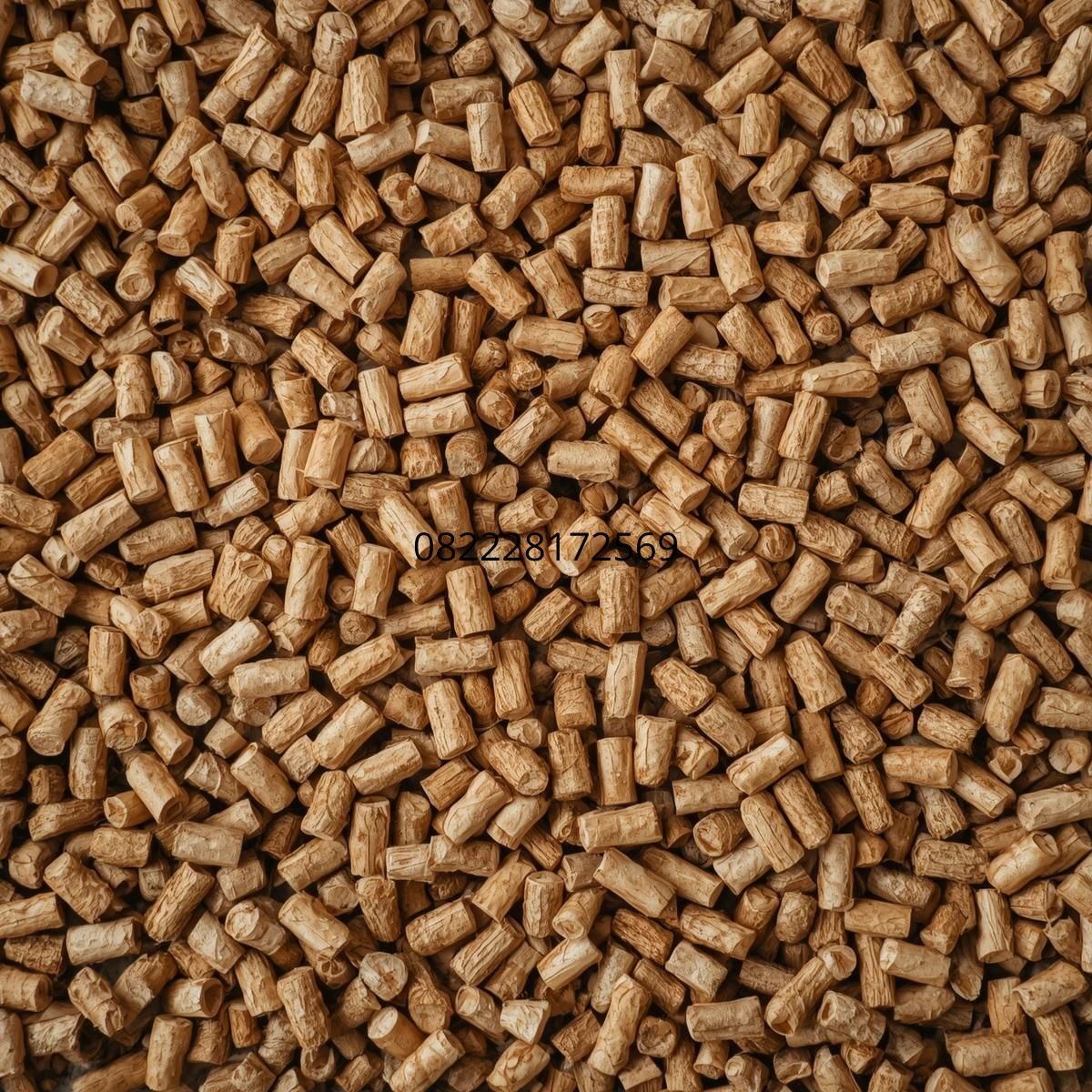
Biomass power plants are specifically designed to use organic materials, like wood pellets, as fuel for electricity generation. These plants are highly efficient because they use combustion to release the stored energy in the wood pellets, which is then converted into electricity. The conversion process in these plants involves high-temperature combustion, followed by heat recovery systems that capture the energy and convert it into usable power.
One of the advantages of using wood pellets in power plants is their consistency and uniformity. The small, uniform size of the pellets allows for continuous and even combustion, which helps to maximize the efficiency of the plant. Furthermore, using locally sourced wood pellets reduces transportation costs and carbon emissions related to long-distance fuel transport. As a result, biomass power plants that use wood pellets as fuel not only provide reliable power but also contribute to Denmark’s energy independence and sustainability goals.
Large-Scale Adoption in Denmark’s Energy Infrastructure
Denmark’s commitment to biomass energy has extended beyond just a few power plants. The country has invested heavily in infrastructure that supports the use of biomass as a primary energy source. Many existing coal-fired plants have been retrofitted to accommodate biomass combustion, and new plants have been built with biomass in mind. The Danish government has supported this transition with financial incentives and policies designed to encourage the use of renewable energy, including biomass and wood pellets.
As more power plants adopt wood pellets as their primary fuel, the overall demand for wood pellets in Denmark continues to rise. The transition to biomass-based energy generation has proven to be one of the most effective ways for Denmark to meet its carbon reduction targets, and wood pellets are at the heart of this transformation.
Javawood: A Professional Solution Provider for Wood Pellets
As the demand for wood pellets continues to rise, it is essential to work with reliable and professional suppliers who can provide high-quality products and services. Javawood, based in Sidoarjo, East Java, is a professional provider of wood pellets and related solutions. With years of experience in the renewable energy sector, Javawood specializes in offering premium wood pellets to meet the needs of both residential and industrial customers.
Javawood is committed to sustainability and ensures that its wood pellets are produced using responsible sourcing practices. The company’s dedication to quality and customer satisfaction has made it a trusted name in the biomass energy industry. Whether you are looking for wood pellets for residential heating or industrial applications, Javawood provides tailored solutions that meet your energy needs while supporting Denmark’s green energy transition.
Conclusion: A Sustainable Future with Wood Pellets in Denmark
Wood pellets are a key component of Denmark’s renewable energy landscape. They offer a clean, efficient, and sustainable energy solution that helps reduce carbon emissions, supports local economies, and promotes energy independence. From residential heating to large-scale power plants, wood pellets are becoming an increasingly important part of Denmark’s energy mix.
With ongoing investments in biomass infrastructure and a continued commitment to sustainability, Denmark is well-positioned to meet its carbon-neutral goals. Wood pellets, as a renewable energy source, will play an integral role in this journey.
If you are interested in learning more about how wood pellets can support your energy needs, feel free to contact Javawood. Our team of experts can provide guidance on the best wood pellet solutions for your specific requirements. Let’s work together towards a more sustainable future.