
Wood Pellets in South Korea: A Practical Guide to Sourcing, Quality Control, Logistics, and Compliance
Wood Pellets South Korea – First, South Korea runs dense logistics networks and energy-intensive industries. Next, many operators choose wood pellets to diversify fuel options. Moreover, buyers now demand predictable quality and stable delivery.
Next, wood pellets behave like an engineered fuel, not raw firewood. Also, small quality shifts can trigger big boiler problems. Therefore, procurement teams need a technical playbook, not slogans.
Moreover, this guide explains real workflows from supplier screening to port delivery. Next, it covers key specs, testing routines, and storage safety. Finally, it closes with a low-pressure consultation option.
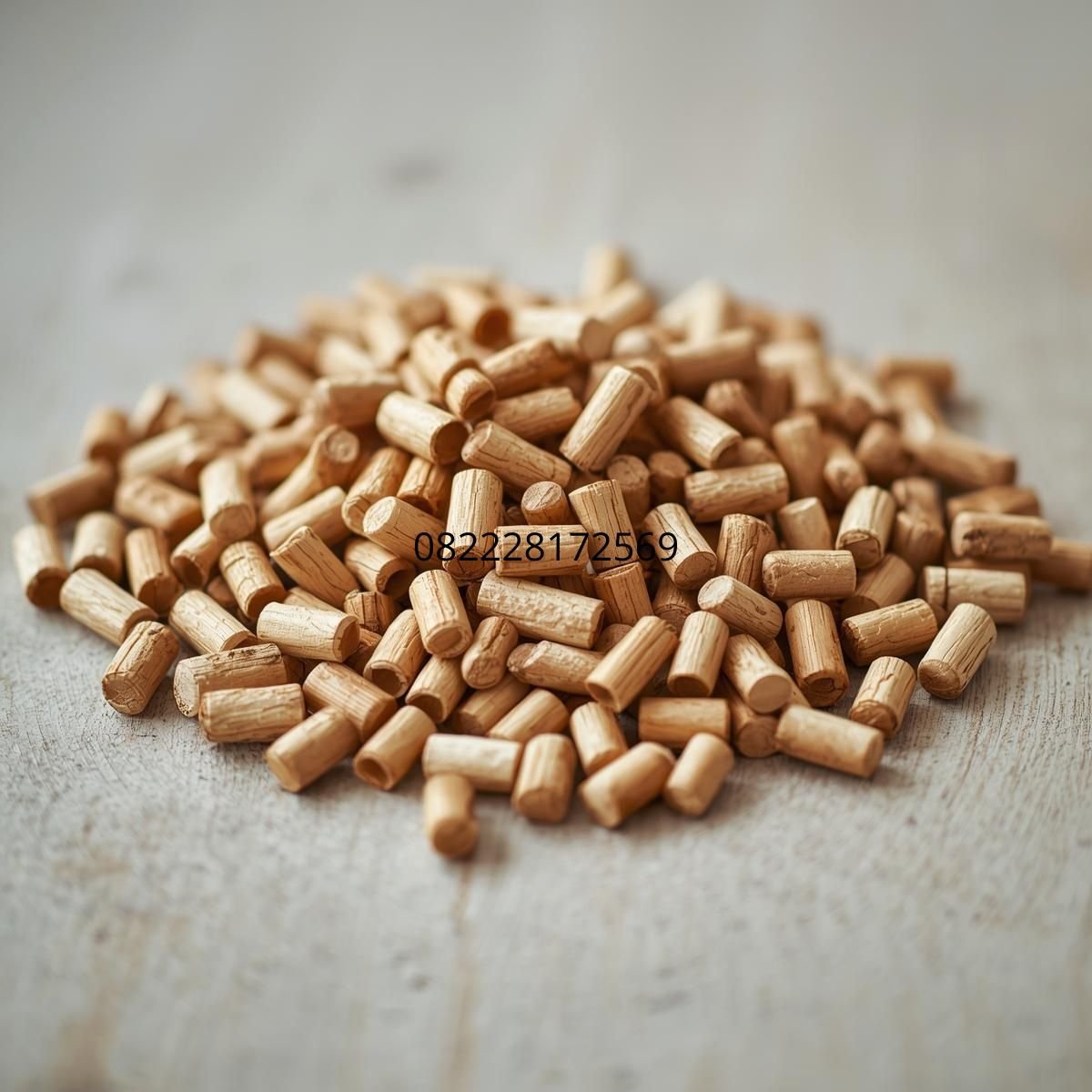
Wood Pellets in South Korea: Why Demand Exists and How It Changes
First, South Korea balances energy security, price volatility, and emissions targets. Next, many facilities burn biomass pellets in dedicated units or co-firing setups. Moreover, procurement teams track policy signals and REC incentives.
Next, the market relies heavily on imports and port logistics. Also, buyers face new scrutiny on sustainability and traceability. Therefore, demand now depends on both economics and compliance.
Wood pellets for power generation in South Korea
First, utilities and IPPs use pellets to generate electricity under renewable frameworks. Next, operators historically leaned on REC incentives to support biomass generation. Moreover, imported pellets fueled a large share of that supply chain.
Next, policymakers now reduce support for parts of the biomass fleet. Also, South Korea ended RECs for several state-owned co-firing plants from January 2025. Therefore, long-term demand may shift toward different biomass pathways.
Wood pellets for heat, steam, and industrial boilers
First, manufacturers use steam for food, chemicals, textiles, and packaging. Next, industrial boilers often accept pellet fuel with proper feed equipment. Moreover, operators value stable moisture and low ash for smooth combustion.
Next, heat users often buy smaller lots than power producers. Also, they tend to prioritize consistent pellet size and low fines. Therefore, suppliers must align product form with the end-use system.
Seasonality and operational planning in South Korea
First, Korea’s winter heating season increases fuel draw and storage turnover. Next, buyers often build inventory before peak cold periods. Moreover, ports and inland trucking can bottleneck during congestion.
Next, procurement teams should stage deliveries and avoid last-minute spot buying. Also, storage constraints frequently limit how much inventory operators can hold. Therefore, planning calendars matter as much as pricing.
Wood Pellets South Korea: Understanding Grades and Use-Cases
First, buyers often mix “utility pellets” and “premium pellets” in casual conversation. Next, those categories reflect different ash targets, feedstock controls, and handling requirements. Moreover, the correct grade depends on the boiler design, not brand preference.
Next, many Korean buyers focus on industrial wood pellets for large systems. Also, smaller heating systems may prefer cleaner, tighter-spec pellets. Therefore, you should match the pellet grade to equipment tolerance.
Industrial wood pellets vs residential pellets
First, industrial boilers can tolerate higher ash than pellet stoves. Next, utilities usually optimize around cost per delivered gigajoule. Moreover, industrial pellets often ship in bulk at scale.
Next, residential pellets usually target low ash and low fines. Also, homeowners and small facilities value cleaner storage and predictable ignition. Therefore, suppliers must avoid “one spec fits all” thinking.
Biomass pellets and blended fuels
First, some operators explore blended biomass streams to manage cost. Next, blends can include wood pellets and other approved biomass inputs. Moreover, blending changes ash chemistry and slagging behavior.
Next, engineers should validate blends through trial burns and monitoring. Also, procurement should lock blend ratios in contracts. Therefore, the plant controls risk instead of reacting to failures.
Pellet dimensions, density, and feeding behavior
First, pellet diameter affects auger feeding and flow stability. Next, length distribution affects bridging risk in hoppers. Moreover, higher bulk density improves shipping efficiency and storage capacity.
Next, plants should align pellet form with their conveyors and silos. Also, operators should measure bulk density by consistent methods. Therefore, they can compare offers without confusion.
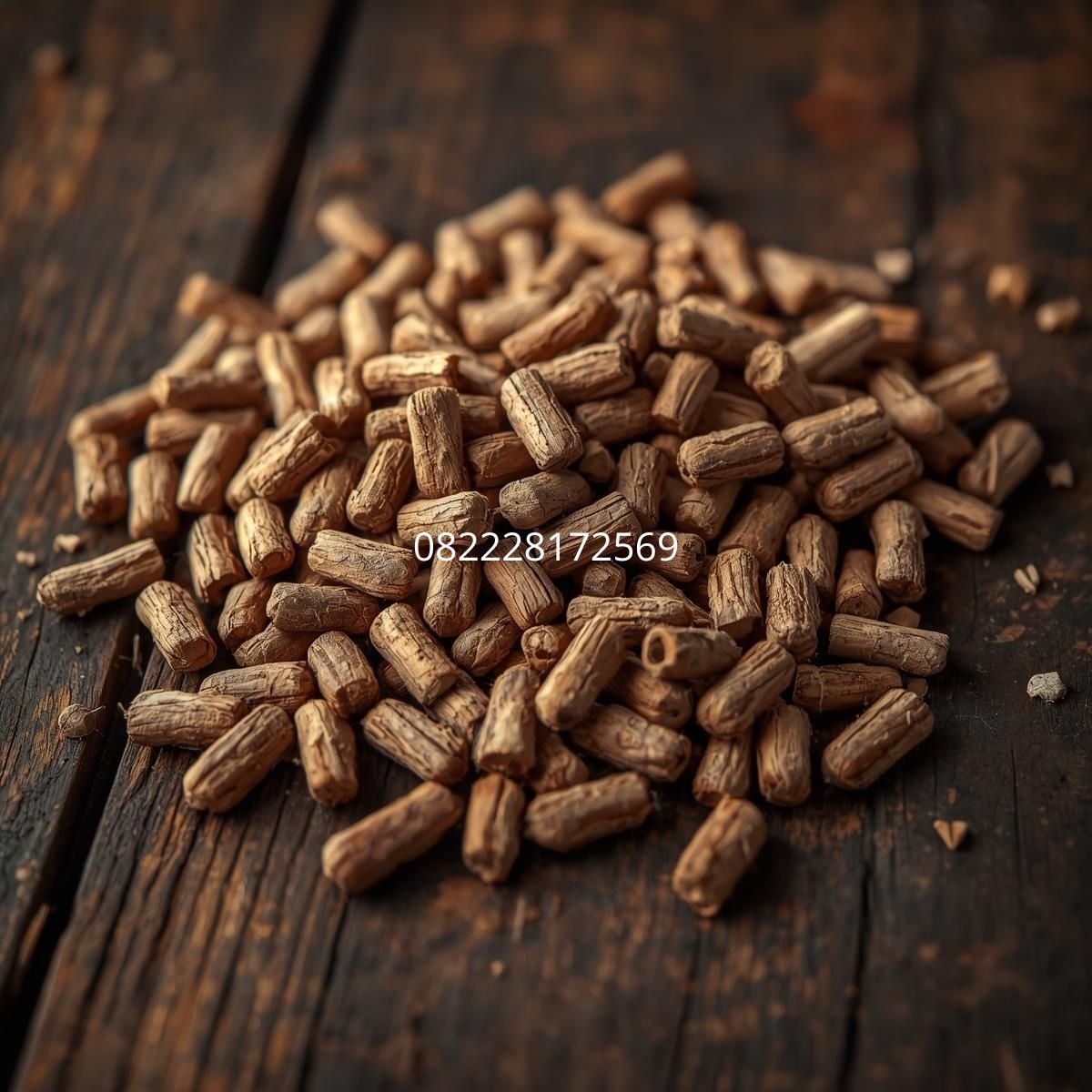
Wood Pellet Specifications South Korea: The Numbers That Actually Matter
First, buyers often overfocus on calorific value while ignoring durability. Next, pellets that crumble create dust, fires, and handling losses. Moreover, weak pellets also create unstable combustion.
Next, you should set a small set of “gatekeeping” parameters. Also, you should tie those parameters to test methods and penalties. Therefore, you can enforce quality without endless disputes.
Moisture content and energy yield
First, moisture directly reduces net heat delivered to the boiler. Next, wet pellets also increase flue losses and stack moisture. Moreover, wet fuel raises handling risk through clumping.
Next, buyers should define moisture limits at delivery, not at production. Also, they should specify sampling rules at the discharge point. Therefore, both sides measure the same reality.
Ash content, slagging risk, and maintenance workload
First, ash increases cleaning frequency and disposal volumes. Next, ash chemistry influences slagging and fouling on heat-transfer surfaces. Moreover, high ash can reduce availability through more shutdowns.
Next, plants should define ash targets that match their ash handling systems. Also, they should review ash fusion behavior during qualification. Therefore, they avoid surprise deposits on tubes.
Durability, fines, and dust control
First, durability indicates how well pellets survive transport and conveying. Next, fines increase dust explosions risk and reduce usable fuel volume. Moreover, fines can choke feeding systems and cause flame instability.
Next, contracts should cap fines at delivery and during unloading. Also, buyers should require screened sampling for accurate fines measurement. Therefore, acceptance decisions stay defensible.
Contaminants: chlorine, sulfur, and trace metals
First, chlorine can accelerate corrosion in certain boiler zones. Next, sulfur can raise SOx emissions and require additional controls. Moreover, trace metals can complicate ash disposal and permitting.
Next, buyers should request periodic lab panels beyond the basic certificate. Also, they should trace contaminants back to feedstock sources. Therefore, corrective actions target root causes.
South Korea Wood Pellet Supply Chain: Imports, Ports, and Lead Times
First, South Korea imports large volumes of biomass fuel under fuel-wood categories. Next, 2024 import data for HS 4401 shows strong volumes and softer values. Moreover, that pattern signals price pressure alongside steady demand.
Next, import logistics drive delivered cost more than many buyers expect. Also, demurrage and port delays can erase a discount quickly. Therefore, buyers should treat logistics as a core technical topic.
Import routes and supplier diversity
First, Southeast Asia supplies a major share of pellets into Korea. Next, buyers often source across several origins to reduce disruption risk. Moreover, diversification helps when one route faces weather or policy shocks.
Next, procurement teams should score suppliers on reliability, not only unit price. Also, they should track supplier capacity and feedstock stability. Therefore, supply stays resilient during peak periods.
Bulk shipping vs containers vs bagged cargo
First, bulk shipments reduce unit freight costs at scale. Next, bulk handling demands strong dust control and proper unloading equipment. Moreover, bulk cargo increases exposure to moisture during poor handling.
Next, containers support smaller lots and tighter chain-of-custody. Also, bags simplify inland handling for smaller facilities. Therefore, packaging choice should follow throughput and infrastructure.
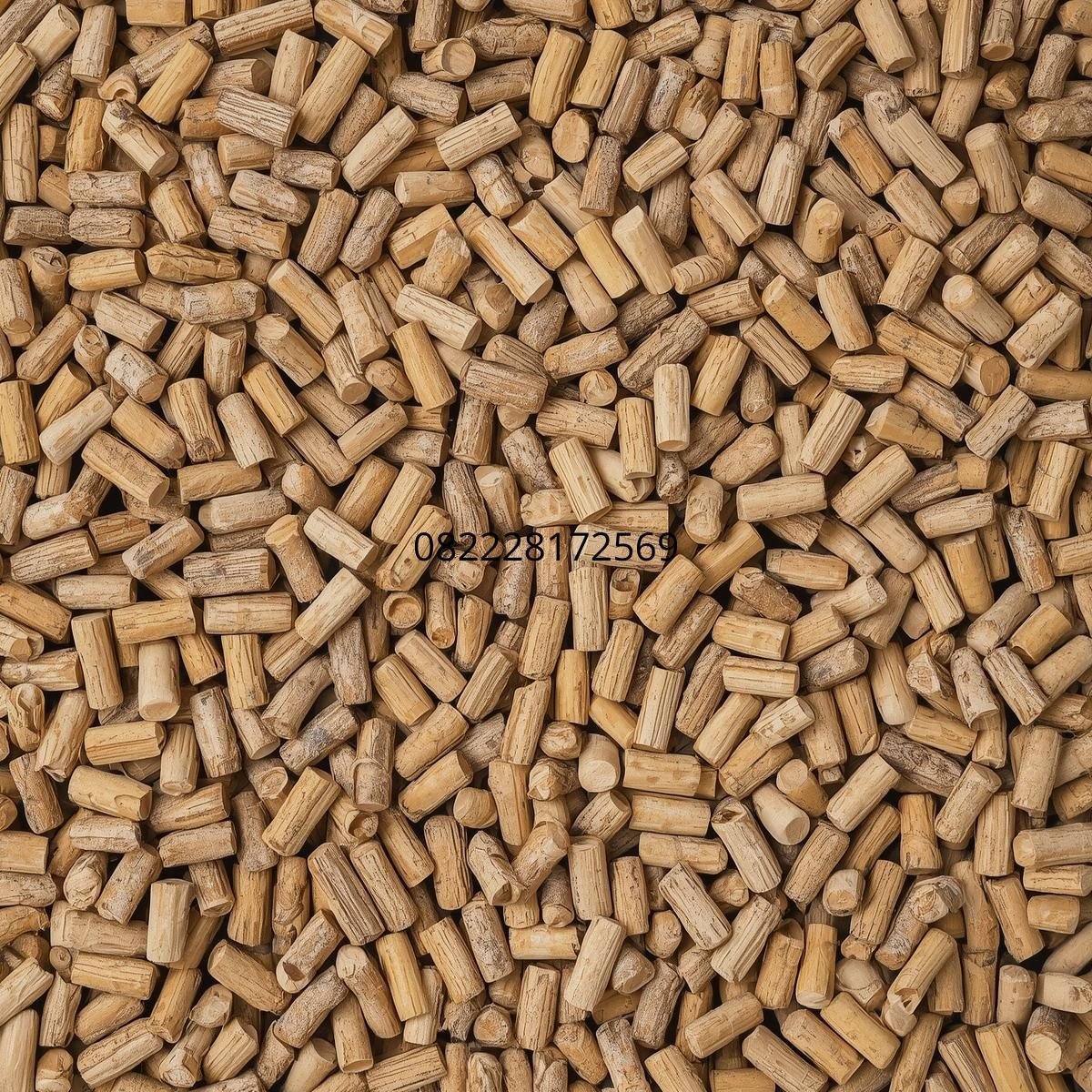
Incoterms, title transfer, and risk allocation
First, Incoterms determine which party controls shipping risk and insurance. Next, buyers should align Incoterms with their operational control capabilities. Moreover, unclear terms trigger disputes after damage or delay.
Next, contracts should define who pays for fumigation, cleaning, and port charges. Also, they should define moisture responsibility after rain events. Therefore, both sides avoid “grey zone” losses.
Storage in South Korea: silos, domes, and open yards
First, storage method changes pellet quality through moisture pickup and fines creation. Next, covered storage reduces rainfall impact and slows degradation. Moreover, good aeration can reduce self-heating risk.
Next, operators should avoid long idle piles without monitoring. Also, they should rotate inventory and track lot IDs. Therefore, plants reduce quality drift and safety incidents.
Wood Pellets South Korea: Policy, Sustainability, and Market Risk
First, policy shifts can alter procurement economics overnight. Next, South Korea announced reductions in biomass subsidies and REC weightings. Moreover, those reforms affect co-firing and dedicated biomass facilities.
Next, sustainability debates also influence buyer requirements and reputational risk. Also, certification systems can help, yet buyers must still run due diligence. Therefore, compliance requires both documents and verification.
REC changes and planning for volatility
First, REC reforms can reduce revenue support for certain biomass generation pathways. Next, planners should model multiple policy scenarios in fuel budgets. Moreover, plants should evaluate how REC changes affect dispatch decisions.
Next, buyers should avoid overcommitting to long contracts without flexibility. Also, suppliers should expect buyers to request renegotiation triggers. Therefore, balanced contracts protect both parties.
Sustainability certification and buyer expectations
First, many buyers reference certification schemes like SBP in sourcing conversations. Next, certification can support traceability and audit processes. Moreover, critics challenge sustainability claims and verification strength in some contexts.
Next, buyers should combine certification with feedstock mapping and risk screening. Also, they should request evidence for legality and land-use compliance. Therefore, procurement stays credible under scrutiny.
Traceability, legality, and documentation discipline
First, traceability starts with feedstock definition and supplier mapping. Next, suppliers should maintain lot-level production records and shipping links. Moreover, buyers should store documents for audits and claims.
Next, teams should standardize document packs across suppliers. Also, they should validate documents against observed quality outcomes. Therefore, paperwork supports real risk control.
Quality Assurance for Wood Pellets in South Korea: A Buyer’s Playbook
First, quality problems rarely start at the boiler. Next, many failures begin with weak contracts and vague sampling rules. Moreover, buyers can prevent most issues through structured QA.
Next, a strong QA program uses repeatable methods and clear thresholds. Also, it spreads responsibility across procurement, operations, and labs. Therefore, the plant avoids “blame games” during outages.
Pre-shipment qualification and supplier onboarding
First, buyers should run supplier questionnaires focused on feedstock, drying, and screening. Next, they should request recent lab results and process controls. Moreover, they should review production capacity and maintenance routines.
Next, buyers should request a pilot batch before scaling volume. Also, they should track pellet durability after real handling steps. Therefore, qualification reflects the true supply chain.
Sampling design: where, when, and how
First, sampling must represent the entire shipment, not one easy scoop. Next, teams should sample during unloading at multiple time points. Moreover, they should avoid bias from surface layers or wet spots.
Next, buyers should define sample tools, container types, and labeling rules. Also, they should define chain-of-custody to the lab. Therefore, results withstand disputes.
Lab testing and acceptance windows
First, buyers should test moisture, ash, durability, and fines at minimum. Next, they should run periodic contaminant panels based on equipment sensitivity. Moreover, they should match test methods across suppliers.
Next, contracts should define acceptance windows and escalation steps. Also, teams should decide who pays for retesting. Therefore, decisions stay fast and consistent.
Contract clauses that reduce operational surprises
First, buyers should cap moisture and fines at delivery points. Next, they should set penalties for repeated out-of-spec deliveries. Moreover, they should allow rejection rights for severe deviations.
Next, suppliers should receive clear feedback with evidence and timestamps. Also, both parties should agree on corrective action timelines. Therefore, the relationship stays professional during stress.
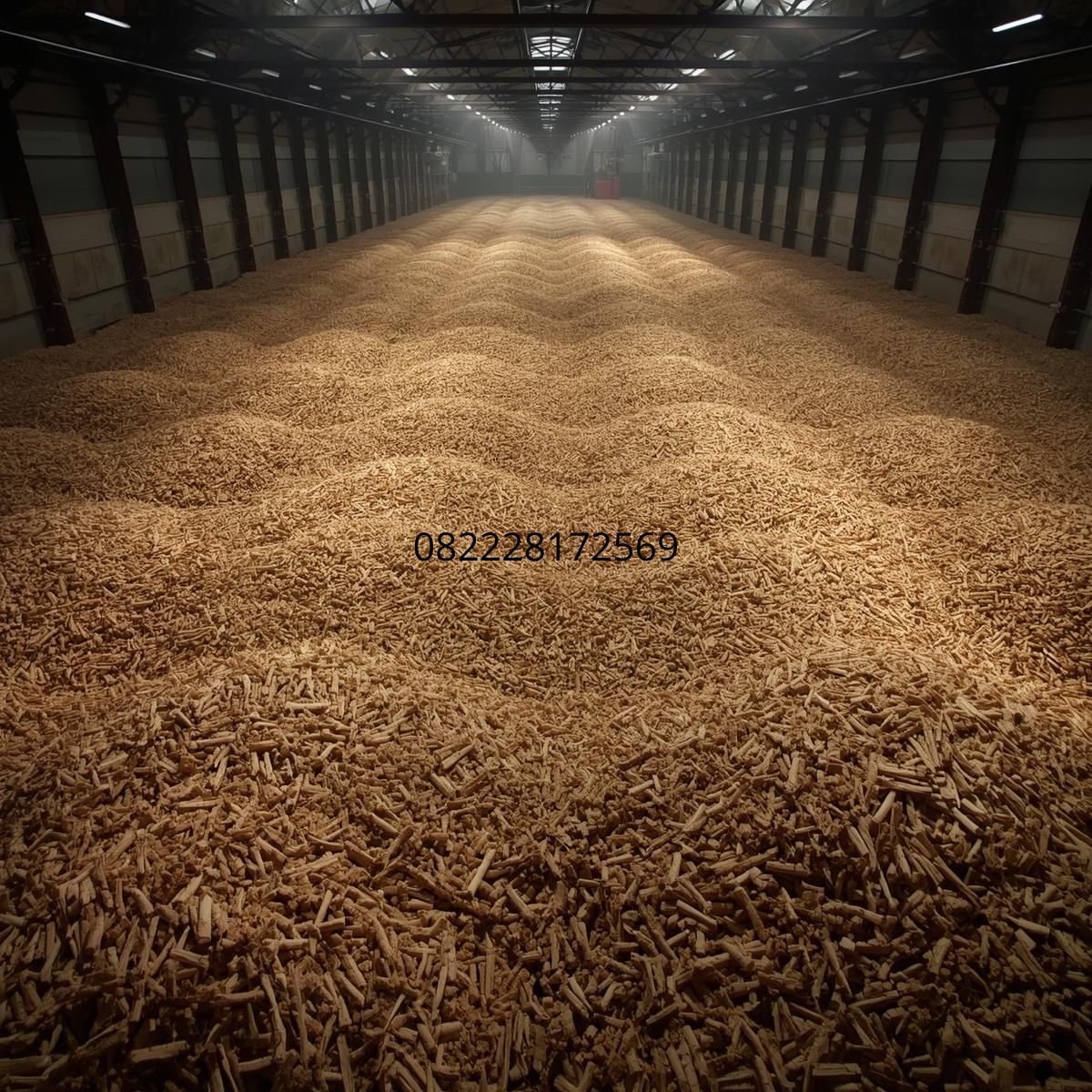
Cost and Performance Optimization for Wood Pellets in South Korea
First, buyers often chase the lowest price per ton. Next, that metric ignores moisture, ash disposal, and downtime cost. Moreover, smart teams calculate cost per useful energy delivered.
Next, optimization involves logistics, blending, and operational tuning. Also, it requires disciplined monitoring after procurement decisions. Therefore, cost control becomes a continuous process.
Delivered cost drivers: freight, handling, and demurrage
First, freight rates can swing quickly due to regional shipping cycles. Next, handling costs rise when ports lack the right unloading setup. Moreover, demurrage grows when documentation delays clearance.
Next, buyers should negotiate laytime terms and clear discharge responsibilities. Also, they should streamline documentation with checklists. Therefore, they protect margins during congestion.
Energy value and the “wet-ton” trap
First, wet pellets inflate tonnage without delivering equivalent heat. Next, wet fuel forces more consumption for the same steam output. Moreover, wet handling raises fines and flow issues.
Next, buyers should price pellets on energy-adjusted terms where possible. Also, they should align moisture testing to delivery reality. Therefore, comparisons become fair and meaningful.
Blending strategy and combustion stability
First, blending can reduce cost but increase variability. Next, variability can create unstable flame and higher emissions. Moreover, operators may chase settings daily without a control plan.
Next, plants should define blend ratios and monitor key indicators. Also, they should document tuning adjustments and outcomes. Therefore, operations remain predictable.
Using Wood Pellets in South Korea: Equipment Readiness and Operational Discipline
First, procurement cannot compensate for weak handling systems. Next, pellets demand controlled feeding, dust management, and consistent storage. Moreover, plants should align operations with pellet characteristics.
Next, operators should treat pellet transitions like process changes. Also, they should monitor performance metrics during ramp-up. Therefore, the plant prevents avoidable shutdowns.
Fuel handling systems: conveyors, hoppers, and feeders
First, designers should reduce bridging points and sharp transitions. Next, they should add vibration or agitation where flow issues occur. Moreover, they should size conveyors for peak throughput.
Next, teams should keep transfer points sealed to reduce dust. Also, they should maintain belts and bearings on schedule. Therefore, handling stays reliable and safer.
Boiler tuning: air control, temperature, and deposits
First, operators should tune excess air to stabilize combustion. Next, they should monitor flue temperature and oxygen trends. Moreover, they should watch deposit growth on critical surfaces.
Next, plants should adjust sootblowing schedules based on observed deposits. Also, they should track ash behavior after blend changes. Therefore, maintenance becomes proactive, not reactive.
Safety: dust explosions, self-heating, and fire response
First, pellet dust can ignite under the right concentration and spark source. Next, facilities should maintain housekeeping and control ignition sources. Moreover, they should install appropriate detection and suppression.
Next, storage piles can self-heat when moisture and fines accumulate. Also, operators should monitor temperature and rotate stock. Therefore, safety improves through routine habits.
Wood Pellets Suppliers for South Korea: Working Across Borders with Javawood
First, many Korean buyers source pellets from overseas producers. Next, cross-border sourcing requires disciplined specs, documentation, and logistics coordination. Moreover, buyers should prioritize transparency and repeatability.
Next, Javawood operates from Sidoarjo, East Java, Indonesia. Also, Javawood can support Korean buyers through structured supply planning and technical communication. Therefore, buyers can align requirements without assuming local offices.
Javawood support: specification alignment and pilot planning
First, buyers can share target specs for moisture, ash, and durability. Next, teams can align sampling rules and testing methods before the first shipment. Moreover, a pilot lot can validate handling performance.
Next, Javawood can discuss packaging options and shipment cadence for your consumption profile. Also, buyers can set escalation paths for corrective actions. Therefore, the relationship starts with clear technical guardrails.
Documentation pack and communication workflow
First, cross-border deals succeed with consistent document packs and timelines. Next, buyers should request lot IDs, production dates, and test certificates. Moreover, teams should coordinate customs documentation early.
Next, Javawood can structure communication with checklists and pre-shipment confirmations. Also, buyers should keep internal records for audit readiness. Therefore, both sides reduce delays and misunderstandings.
Scaling volume without losing consistency
First, scaling requires process control, not only more raw material. Next, suppliers must stabilize feedstock inputs and drying performance. Moreover, buyers should increase volume in measured steps.
Next, teams should review KPI trends after each scaled shipment. Also, they should tighten controls if variability rises. Therefore, growth does not destroy reliability.
Conclusion: Build a Smarter Wood Pellets Strategy for South Korea
First, wood pellets in South Korea sit at the intersection of policy, logistics, and engineering. Next, buyers win when they control specs, sampling, and storage discipline. Moreover, operators gain reliability when they treat pellets as a managed fuel.
Next, you can reduce risk by focusing on moisture, ash, durability, and documentation. Also, you can protect budgets by pricing on delivered energy value. Therefore, your procurement strategy will support uptime, not headaches.
Finally, if you want a technical discussion about specs, shipment structure, or QA routines, you can contact Javawood in Sidoarjo, East Java,indonesia. Next, you can share your use-case and constraints for a tailored checklist. Moreover, a short consultation can help you validate assumptions before you commit.