
Wood Pellets France: Sustainable Energy Solutions for the French Market
Wood pellets France continues to gain strong momentum across the energy sector. As a result, many industries now prioritize renewable heating solutions. Moreover, households increasingly adopt biomass systems for cost stability.
France actively promotes cleaner energy transitions. Therefore, biomass fuels support national sustainability goals. Wood pellets provide measurable environmental and economic benefits.
Energy users across France seek reliable supply chains. Consequently, suppliers must deliver consistent pellet quality. Buyers also expect transparent sourcing and verified standards.
This article explores the French wood pellet landscape. Additionally, it explains production processes and technical considerations. Furthermore, it outlines practical solutions for businesses and homeowners.
Chat Javawood – Wood Pellets France (Admin 1)
Chat Javawood – Wood Pellets France (Admin 2)
The Energy Landscape in France
France maintains a diversified energy portfolio. Historically, nuclear energy dominated electricity generation. However, renewable heat solutions now receive greater attention.
The government encourages biomass adoption. Therefore, wood pellets France plays a strategic role. Regional heating networks increasingly integrate pellet-based systems.
Rural areas benefit from local biomass supply chains. Meanwhile, urban districts expand collective heating projects. This balanced approach strengthens national energy resilience.
French climate conditions also influence pellet demand. Cold winters drive heating requirements. Consequently, stable pellet availability remains essential.
Understanding Wood Pellets and Their Composition
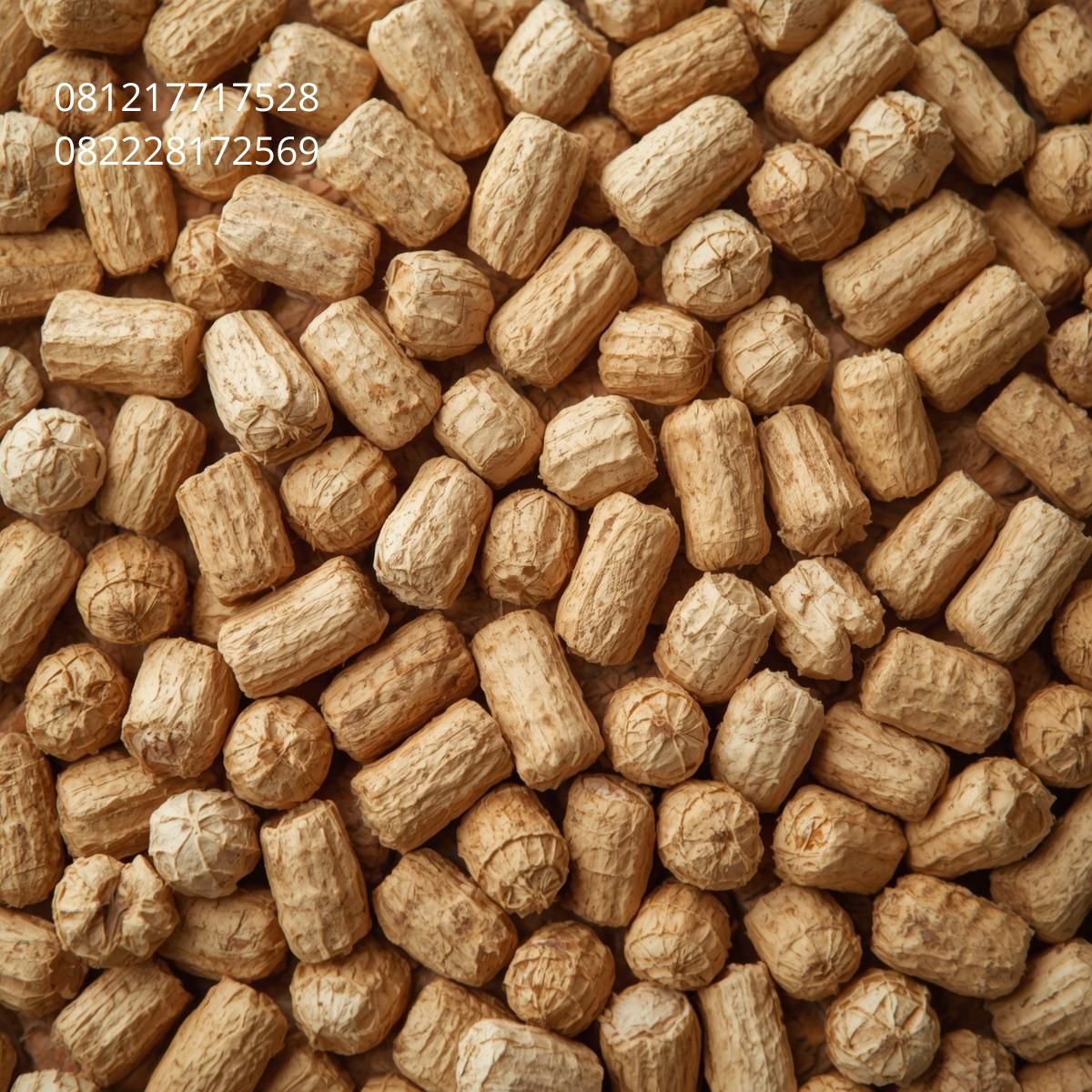
Wood pellets consist of compressed sawdust and wood residues. Manufacturers apply high pressure during production. Lignin within wood fibers binds the material naturally.
Pellets typically measure six to eight millimeters in diameter. Their uniform shape ensures smooth combustion. Moreover, standardized dimensions support automated feeding systems.
High-quality pellets maintain low moisture content. Therefore, they produce efficient and stable heat output. Ash levels also remain minimal in premium grades.
In France, consumers prioritize certified products. Hence, standards ensure performance and environmental compliance.
Production Process of Wood Pellets France
Raw Material Selection
Producers source sawdust from sustainable forestry operations. They often collect residues from sawmills. Consequently, pellet production supports circular resource use.
Suppliers must verify wood origin carefully. Responsible sourcing protects forest ecosystems. Moreover, certification builds buyer confidence.
Drying and Grinding
Manufacturers dry raw materials before pelletizing. This step reduces moisture to optimal levels. Afterward, they grind particles to uniform size.
Consistent particle size improves pellet density. Therefore, combustion performance becomes predictable. Energy efficiency increases accordingly.
Pelletizing and Cooling
Producers compress prepared biomass using pellet mills. High pressure shapes dense cylindrical pellets. Subsequently, cooling systems stabilize the final product.
Cooling reduces internal temperature. Thus, pellets maintain structural integrity during transport. Screening then removes dust particles.
Packaging and Distribution
Finally, suppliers package pellets in bags or bulk systems. Packaging options depend on customer needs. Logistics planning ensures timely delivery across France.
Efficient distribution networks minimize supply interruptions. Therefore, reliable partners remain essential in the wood pellets France market.
Quality Standards and Certifications in France
France aligns pellet standards with European frameworks. ENplus certification remains widely recognized. Buyers frequently request this label for assurance.
Certified pellets guarantee defined calorific value. Additionally, they control ash and moisture content. These parameters influence boiler efficiency directly.
Quality testing protects both households and industries. Consequently, certified supply reduces operational risk. Long-term heating costs also remain predictable.
Applications of Wood Pellets in France
Residential Heating Solutions
Many French households install pellet stoves. These systems offer automated feeding and temperature control. As a result, users experience improved convenience.
Pellet boilers also support central heating systems. They integrate seamlessly with radiators and floor heating. Therefore, homeowners reduce fossil fuel dependence.
Industrial and Commercial Use
Industries utilize pellet-fired boilers for process heat. Food processing and manufacturing facilities benefit significantly. Moreover, agricultural operations adopt biomass heating.
Hotels and public buildings increasingly adopt pellet systems. Consequently, institutions lower carbon footprints. Energy budgeting also becomes more stable.
District Heating Networks
Municipalities across France invest in biomass district heating. These systems supply heat to multiple buildings simultaneously. Thus, efficiency improves at scale.
Wood pellets France contributes to decentralized energy strategies. Local sourcing reduces transport emissions. Community resilience strengthens over time.
Environmental Benefits of Wood Pellets France
Wood pellets support carbon cycle balance. Trees absorb carbon dioxide during growth. Subsequently, combustion releases similar carbon quantities.
Sustainable forestry ensures long-term biomass availability. Responsible management prevents deforestation risks. Therefore, environmental integrity remains protected.
Pellets also reduce reliance on fossil fuels. Consequently, greenhouse gas emissions decline. Air quality improves in many regions.
Moreover, pellet production utilizes industrial residues. This approach reduces waste volumes. Circular economy principles therefore gain practical implementation.
Economic Considerations and Market Trends
Energy price volatility affects many consumers. However, wood pellets often provide cost stability. Long-term supply contracts further reduce uncertainty.
France observes steady pellet demand growth. Residential installations increase annually. Industrial biomass conversions also expand gradually.
Government incentives influence adoption rates. Subsidies encourage renewable heating systems. Therefore, pellet investments become financially attractive.
Market competition continues to evolve. Suppliers must ensure consistent quality and pricing transparency. Strategic partnerships support sustainable expansion.

Technical Considerations Before Choosing Wood Pellets
Calorific Value and Efficiency
Buyers should review calorific value specifications carefully. Higher energy density improves heating efficiency. Consequently, fuel consumption decreases.
Boiler compatibility also matters significantly. Users must match pellet quality with equipment design. Technical consultation helps avoid operational issues.
Storage Requirements
Pellets require dry storage conditions. Moisture exposure reduces combustion quality. Therefore, storage planning becomes essential.
Bulk silos suit large installations. Bagged pellets serve residential users effectively. Proper ventilation prevents condensation problems.
Ash Management and Maintenance
Low ash content simplifies maintenance routines. High-quality pellets produce minimal residue. Thus, cleaning intervals extend.
Operators should inspect systems regularly. Preventive maintenance ensures long-term performance. Technical servicing also protects investment value.
Supply Chain and Logistics Across France
France covers diverse geographic regions. Alpine areas require specific logistics planning. Coastal regions demand efficient port access.
Bulk transport often utilizes trucks or rail systems. Coordinated logistics reduce delivery delays. Therefore, supply continuity remains stable.
Seasonal demand fluctuations also influence stock planning. Suppliers must anticipate winter peaks. Inventory management supports uninterrupted heating.
International trade supports additional supply capacity. Ports facilitate biomass imports when necessary. Strategic sourcing therefore enhances resilience.
READ THIS TOO: javawoodfactory
Role of Sustainable Forestry in France
French forests cover significant land area. Sustainable management practices protect biodiversity. Timber industries generate residues suitable for pellet production.
Certification systems verify responsible forestry. Consequently, buyers gain transparency regarding raw material origin. Environmental credibility strengthens market trust.
Local sourcing also stimulates regional economies. Forest communities benefit from added value. Thus, pellet production supports rural development.
Technology Innovation in the Pellet Industry
Modern pellet plants integrate automated control systems. Digital monitoring ensures consistent quality output. Real-time data improves operational efficiency.
Advanced boilers feature smart temperature regulation. Users can manage systems remotely. Therefore, convenience and energy optimization increase.
Research also explores improved combustion efficiency. Engineers refine burner designs continuously. Innovation drives long-term sustainability.
Challenges in the Wood Pellets France Market
Supply shortages occasionally affect pricing. Increased demand during cold seasons creates pressure. Therefore, long-term contracts offer strategic advantages.
Raw material competition also presents challenges. Wood industries share similar resources. Balanced resource allocation becomes necessary.
Regulatory updates require compliance adjustments. Suppliers must monitor policy changes carefully. Adaptability ensures continued market participation.
Despite challenges, growth prospects remain positive. Sustainable energy goals drive consistent demand expansion.
Practical Guidance for Buyers in France
First, evaluate heating needs accurately. Energy audits clarify consumption patterns. Consequently, buyers choose appropriate system capacity.
Second, verify pellet certification standards. Reliable suppliers provide documentation transparently. Quality assurance reduces operational risk.
Third, compare long-term cost projections. Include installation and maintenance considerations. Comprehensive analysis supports informed decisions.
Finally, consult experienced professionals. Technical expertise ensures proper system integration. Strategic planning enhances overall efficiency.
Javawood as a Professional Solution Provider
Javawood operates from Sidoarjo, East Java. The company focuses on biomass energy solutions. It serves international markets, including France.
Javawood emphasizes responsible sourcing and quality control. The team applies consistent production standards. Therefore, clients receive dependable pellet specifications.
Moreover, Javawood supports technical consultation processes. It assists clients in understanding storage and logistics planning. This approach promotes sustainable partnerships.
The company does not claim local offices in France. Instead, it collaborates with distribution networks. Transparent communication guides every project stage.
Future Outlook of Wood Pellets France
France continues strengthening renewable energy strategies. Biomass remains a critical component. Consequently, pellet demand shows long-term stability.
Technological innovation will enhance combustion efficiency further. Environmental regulations will likely tighten gradually. Therefore, quality standards will gain even greater importance.
Consumers increasingly value traceability and sustainability. Suppliers must demonstrate environmental responsibility. Market maturity will reward transparent operators.
Wood pellets France will continue shaping heating transformation. Responsible production and efficient distribution will define success.
Wood pellets France offers practical renewable heating solutions. It supports environmental goals and economic resilience. Careful planning ensures optimal system performance.
Stakeholders should evaluate technical requirements thoroughly. Quality verification protects long-term investments. Sustainable sourcing strengthens environmental impact.
If you seek deeper insights into biomass solutions, consider professional consultation. Javawood from Sidoarjo, East Java can provide structured guidance. The team welcomes discussions about technical specifications and supply strategies.