
Wood Pellets Austria: Sustainable Biomass Energy Solutions by Javawood
Wood Pellets Austria – Wood pellets Austria represents one of Europe’s most mature biomass sectors. As a result, Austria maintains strong residential and commercial pellet adoption. Moreover, national energy policies consistently support renewable heating systems.
Austria values environmental responsibility deeply. Therefore, biomass heating plays a central role in national climate strategies. Wood pellets provide efficient, low-emission thermal energy.
Consumers expect certified quality and stable supply. Consequently, suppliers must maintain strict production standards. Reliable logistics further strengthen long-term market trust.
This article explores the Austrian pellet landscape clearly. Additionally, it explains production standards and technical considerations. Furthermore, it highlights how Javawood supports structured international supply.
Contact Javawood – Wood Pellets Austria (Admin 1)
Contact Javawood – Wood Pellets Austria (Admin 2)
Biomass Energy Development in Austria
Austria promotes renewable heating across urban and rural regions. Hydropower dominates electricity production. However, biomass leads renewable heating applications.
Mountainous regions require reliable winter heating. Therefore, pellet boilers remain highly popular. Cold seasons increase stable fuel demand.
Government incentive programs encourage fossil fuel replacement. As a result, many households shift from oil to pellet systems. Environmental awareness continues driving adoption.
Austria also supports district biomass heating networks. Community systems optimize fuel efficiency. Consequently, local energy resilience improves steadily.
Understanding Wood Pellets and Their Technical Standards
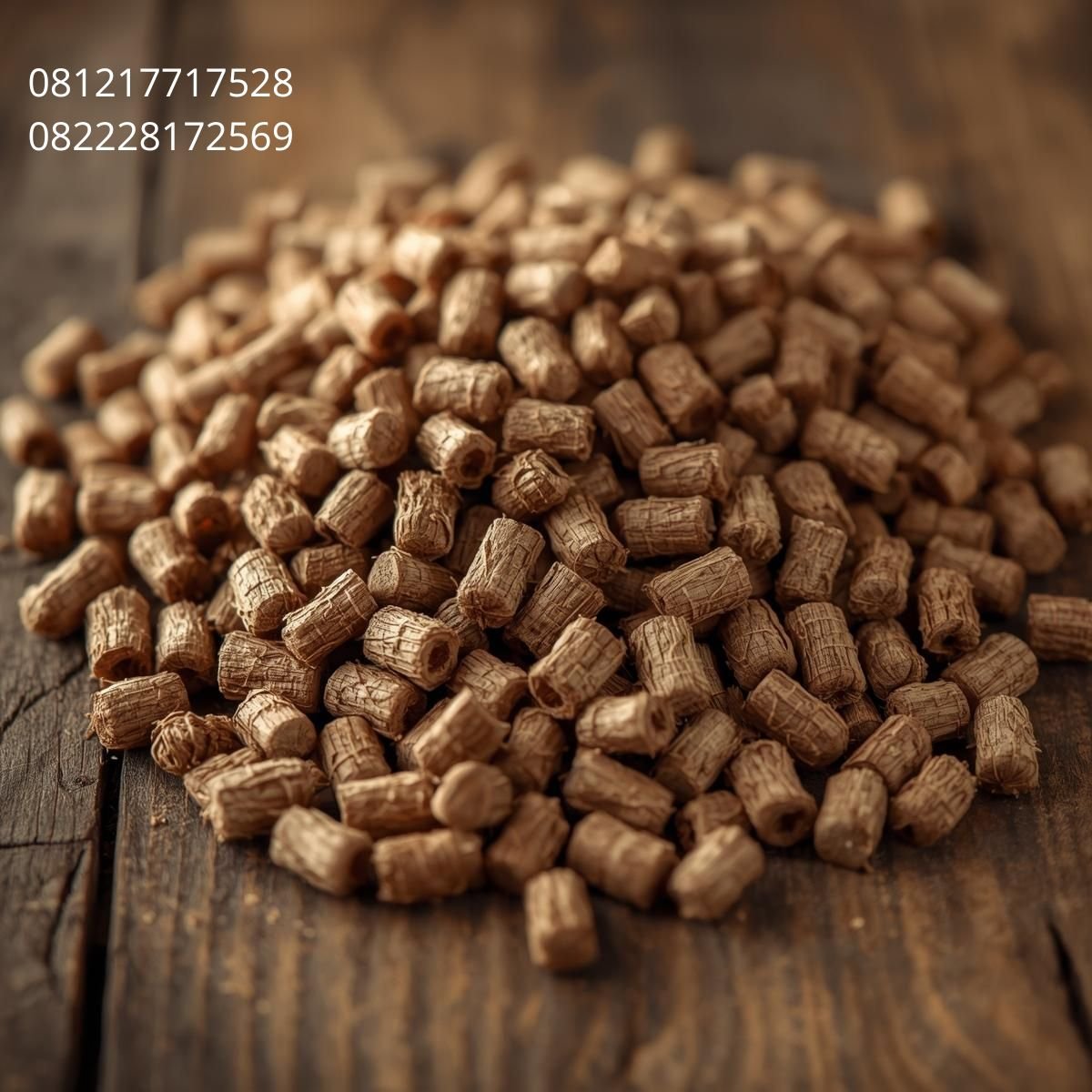
Wood pellets consist of compressed sawdust and clean wood residues. Producers apply high pressure without chemical binders. Natural lignin binds particles effectively.
Standard pellets measure approximately six millimeters in diameter. Uniform size ensures automated feeding reliability. Therefore, combustion efficiency remains consistent.
High-quality pellets maintain low moisture content. This condition improves calorific value significantly. Additionally, low ash output reduces maintenance frequency.
Austrian consumers prioritize ENplus-certified pellets. Certification verifies moisture, density, and ash parameters. Buyers therefore gain performance assurance.
Production Process Supporting Wood Pellets Austria Demand
Sustainable Raw Material Sourcing
Producers source residues from certified forestry operations. Austria maintains strict forest management regulations. Therefore, pellet production supports environmental balance.
Sawmill by-products supply most raw material. This process reduces industrial waste. Circular economy principles guide production systems.
Drying and Grinding Process
Manufacturers dry raw biomass carefully. Controlled drying ensures optimal moisture levels. Afterward, grinding creates uniform particle size.
Consistent particle distribution increases pellet density. Consequently, combustion performance stabilizes. Quality control remains essential at this stage.
Pelletizing and Cooling
Pellet mills compress prepared biomass under high pressure. Cylindrical pellets form through mechanical force. Subsequently, cooling stabilizes internal temperature.
Cooling strengthens pellet durability during transport. Screening removes dust residues effectively. Final inspection verifies compliance with standards.
Applications of Wood Pellets in Austria
Residential Heating Systems
Austrian households widely install pellet stoves. Automated feeding simplifies daily heating management. Therefore, comfort and efficiency align.
Pellet boilers integrate with central heating networks. They connect seamlessly with radiators and underfloor systems. Fossil fuel dependency decreases substantially.
Commercial and Industrial Use
Hotels and public facilities adopt biomass heating actively. Renewable systems improve environmental performance ratings. Energy budgeting becomes more predictable.
Small industries utilize pellet boilers for process heat. Stable temperature output enhances operational reliability. Renewable fuel supports sustainability reporting.
District Heating Projects
Many Austrian municipalities operate biomass district heating plants. Centralized pellet systems supply multiple buildings efficiently. Consequently, economies of scale improve cost control.
Community-based heating strengthens regional independence. Local biomass sourcing reduces transportation emissions. Environmental responsibility remains central.
Environmental Advantages of Wood Pellets Austria
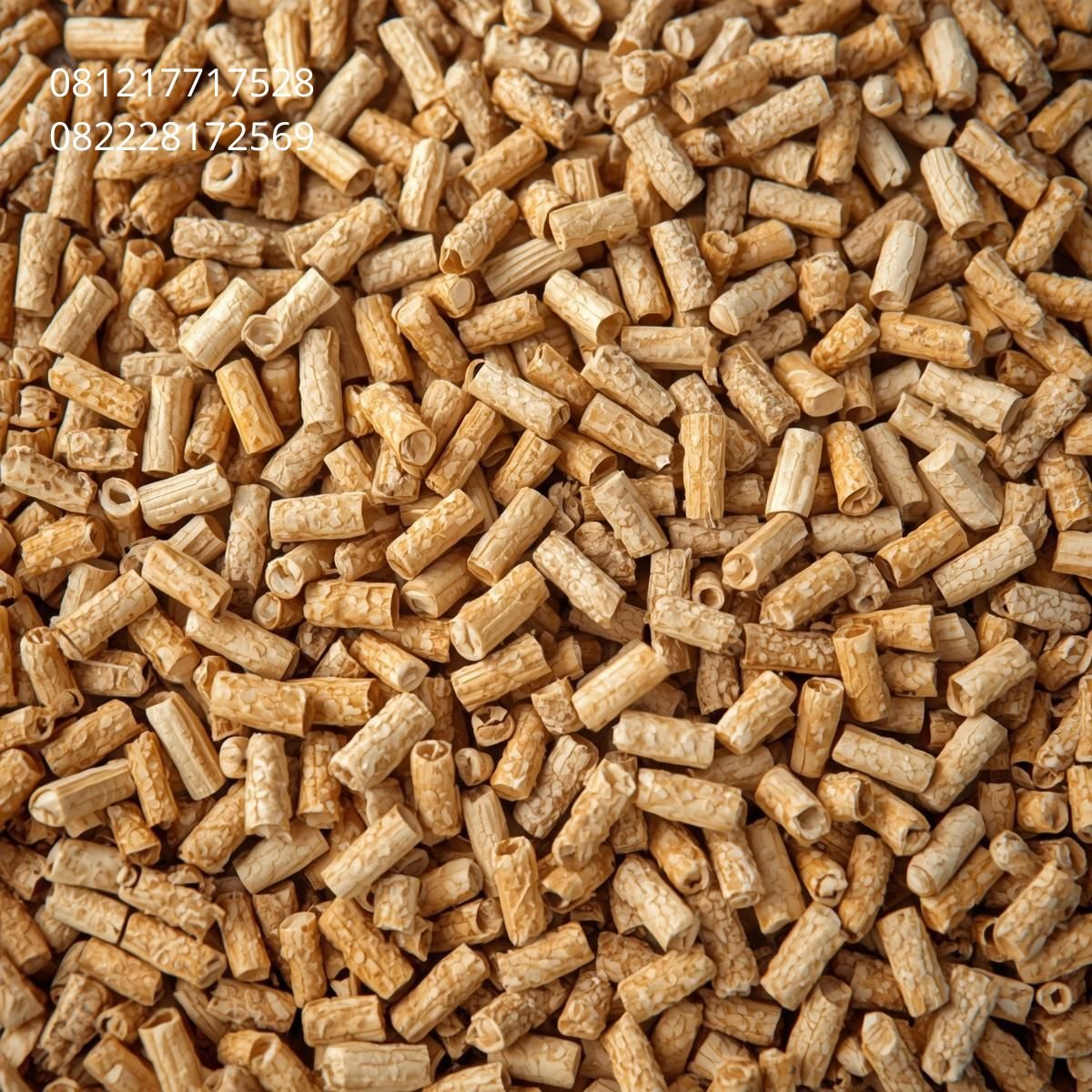
Wood pellets support carbon cycle balance. Trees absorb carbon dioxide during growth. Combustion releases comparable carbon levels naturally.
Sustainable forestry guarantees long-term biomass availability. Replanting programs maintain ecological stability. Therefore, renewable energy remains viable.
Pellet systems emit fewer pollutants than oil heating. Consequently, air quality improves significantly. Advanced boilers further reduce particulate emissions.
Lifecycle assessments confirm environmental benefits. Efficient logistics lower transportation impact. Responsible sourcing enhances sustainability credibility.
Economic Stability and Market Trends
Austria demonstrates stable pellet demand growth. High adoption rates sustain domestic production. Consequently, supply chains remain structured.
Energy price volatility influences fossil fuels. Pellets often show more predictable pricing patterns. Long-term contracts enhance budgeting clarity.
Installation costs vary by system capacity. However, operational savings accumulate over time. Energy efficiency improves financial outcomes gradually.
Market competition encourages quality improvement. Certified producers maintain strong reputations. Transparent pricing builds consumer confidence.
Technical Considerations Before Purchasing Wood Pellets
Calorific Value and Performance
Buyers should evaluate calorific value specifications carefully. Higher energy density increases heating efficiency. Fuel consumption decreases accordingly.
Boiler compatibility remains essential. Equipment must align with pellet standards. Professional consultation prevents operational challenges.
Storage and Handling
Pellets require dry storage environments. Moisture exposure reduces combustion quality. Therefore, sealed silos ensure protection.
Residential users often store bagged pellets indoors. Organized stacking prevents accidental damage. Proper ventilation maintains fuel integrity.
Maintenance Requirements
Low ash pellets reduce cleaning intervals. High-quality fuel protects internal boiler components. Consequently, equipment lifespan extends.
Regular inspection supports optimal performance. Preventive maintenance safeguards long-term investment. Consistency remains crucial.
Javawood as a Structured Biomass Supplier
Javawood operates from Sidoarjo, East Java. The company provides biomass solutions for international markets, including Austria. It focuses on responsible sourcing and consistent quality control.
Javawood maintains transparent production standards. The team ensures pellet specifications align with European expectations. Structured documentation supports smooth trade processes.
The company does not claim a physical office in Austria. Instead, it collaborates with distribution partners professionally. Clear coordination ensures efficient supply management.
Technical consultation forms part of Javawood’s service approach. Clients receive guidance regarding storage, logistics, and specification alignment. This method supports long-term cooperation.
Future Outlook for Wood Pellets Austria
Austria will continue strengthening renewable heating policies. Biomass remains a central contributor. Therefore, pellet demand shows stable prospects.
Technological innovation will refine combustion efficiency further. Smart heating systems will enhance automation. Environmental standards may tighten progressively.
Consumers increasingly value traceable sourcing. Transparent supply chains will gain competitive advantage. Responsible suppliers will strengthen market positions.
Regional Dynamics of Wood Pellets Austria
Austria shows strong pellet adoption across federal provinces. Therefore, regional infrastructure influences distribution efficiency.
Upper Austria supports significant pellet production capacity. Local forestry resources strengthen raw material availability. Consequently, supply stability remains high.
Styria promotes biomass heating in rural communities. Many households operate pellet boilers successfully. Cold winters increase steady seasonal demand.
Tyrol and Salzburg rely on reliable heating during alpine winters. Pellet systems provide dependable thermal performance. Therefore, mountainous regions favor biomass solutions.
Vienna integrates biomass within broader renewable strategies. Urban heating networks complement residential pellet installations. Balanced energy planning enhances sustainability.
Comparing Wood Pellets with Other Heating Solutions in Austria
Wood Pellets Versus Heating Oil
Heating oil prices fluctuate according to global markets. In contrast, pellet pricing often shows more moderate variation. Therefore, households achieve improved cost predictability.
Pellet combustion generates lower net carbon emissions. Environmental performance improves significantly. Many Austrian homeowners prioritize this advantage.
Additionally, pellet systems operate automatically. Digital thermostats regulate indoor temperatures efficiently. User comfort remains consistent.
Wood Pellets Versus Natural Gas
Natural gas networks serve many urban areas. However, rural communities lack full coverage. Pellets provide decentralized heating independence.
Gas supply depends on international dynamics. Meanwhile, pellets rely largely on regional forestry resources. Energy resilience therefore increases.
Hybrid systems combine gas and pellet technologies. This approach enhances flexibility. Technical planning determines optimal configuration.
Wood Pellets Versus Heat Pumps
Heat pumps depend on electricity pricing structures. High tariffs influence operating costs. Pellet systems provide stable thermal output regardless of grid volatility.
Heat pumps perform optimally in highly insulated buildings. Pellet boilers adapt effectively to traditional constructions. Retrofit projects often favor biomass installations.
Both systems support renewable objectives. Careful evaluation ensures realistic performance expectations.
Investment Strategy for Pellet Heating in Austria
System Selection and Capacity Planning
Accurate heat demand assessment guides system sizing. Oversized boilers reduce efficiency. Proper calculation ensures balanced performance.
Professional energy audits clarify annual consumption patterns. Data-driven planning supports reliable operation. Strategic sizing protects investment value.
Installation planning must consider chimney compatibility. Structural evaluation prevents technical complications. Early consultation improves outcomes.
Operational Cost Management
Pellet consumption depends on insulation quality. Building upgrades reduce annual fuel usage. Efficiency improvements enhance savings.
Certified pellets minimize maintenance costs. Low ash content extends cleaning intervals. Equipment durability increases accordingly.
Long-term supply agreements support price stability. Structured procurement strengthens budgeting control. Predictable expenses improve financial planning.
Environmental and Policy Considerations
Austria maintains ambitious climate goals. Biomass heating supports emission reduction targets. Wood pellets Austria aligns with national sustainability strategies.
Government incentives encourage renewable heating upgrades. Homeowners benefit from financial support programs. Policy frameworks accelerate market growth.
Sustainable forestry regulations protect biodiversity. Certified sourcing guarantees responsible harvesting. Environmental transparency strengthens consumer confidence.
Public awareness campaigns promote renewable energy adoption. Educational initiatives highlight biomass benefits. Community engagement supports transition efforts.
Storage Optimization and Logistics Planning
Pellet storage requires controlled humidity conditions. Sealed silos protect fuel from moisture exposure. Therefore, combustion performance remains stable.
Bulk delivery systems suit commercial installations. Residential users prefer convenient bagged formats. Storage selection depends on consumption volume.
Seasonal demand increases during winter months. Early procurement ensures availability. Strategic inventory management prevents shortages.
Austria benefits from strong transport infrastructure. Road and rail networks support efficient distribution. Coordinated logistics maintain supply continuity.
Risk Mitigation in the Austrian Pellet Market
Extreme weather may affect transportation routes. Suppliers should diversify delivery channels. Flexibility strengthens supply reliability.
Raw material competition may influence pricing structures. Balanced forestry management protects resource sustainability. Strategic sourcing reduces volatility risks.
Regulatory updates may introduce new compliance standards. Continuous monitoring ensures operational alignment. Professional oversight prevents disruption.
Market fluctuations require adaptive planning. Long-term partnerships enhance stability. Transparent communication builds mutual trust.
Industrial and Institutional Applications
Manufacturing facilities utilize pellet boilers for process heat. Stable output supports production efficiency. Renewable fuel reduces carbon reporting intensity.
Agricultural drying operations benefit from biomass heating. Controlled temperature enhances productivity. Sustainable energy supports rural development.
Public institutions adopt pellet systems for long-term savings. Schools and municipal buildings reduce fossil fuel dependency. Budget planning becomes more predictable.
Hospitality sectors emphasize environmental responsibility. Biomass heating strengthens sustainable branding. Guests increasingly appreciate eco-conscious initiatives.
Integration with Broader Renewable Systems
Pellet heating integrates with solar thermal installations effectively. Hybrid systems reduce overall fuel demand. Consequently, operational efficiency improves.
Thermal storage tanks capture surplus heat energy. Stored heat balances peak consumption periods. System stability increases significantly.
Smart control technologies optimize temperature management. Digital monitoring improves performance tracking. Data-driven insights enhance operational decisions.
Diversified renewable systems strengthen energy resilience. Integrated planning supports long-term sustainability objectives.
International Supply and Javawood’s Contribution
Austria participates actively in European biomass trade networks. International collaboration enhances supply flexibility. Structured agreements maintain quality alignment.
Javawood operates from Sidoarjo, East Java. The company provides professional biomass supply solutions for international markets, including Austria. It focuses on responsible sourcing and consistent specification control.
Javawood maintains transparent communication throughout each transaction. Coordinated logistics ensure smooth delivery processes. The company emphasizes long-term professional partnerships.
Technical consultation supports clients in storage and specification planning. Structured guidance reduces operational uncertainty. Collaborative dialogue strengthens project success.
Future Outlook for Wood Pellets Austria
Austria will continue expanding renewable heating systems. Biomass remains a reliable component of this transition. Therefore, pellet demand shows stable long-term prospects.
Technological innovation will refine combustion systems further. Automation will enhance operational efficiency. Environmental standards may gradually tighten.
Consumers will increasingly prioritize traceability and certification. Transparent supply chains will gain competitive advantage. Responsible suppliers will lead market development.
Final Perspective and Consultation Invitation
Wood pellets Austria delivers practical and sustainable heating solutions. It combines environmental responsibility with economic stability. Careful technical evaluation ensures optimal system performance.
Stakeholders should prioritize certification and structured planning. Sustainable sourcing protects long-term energy strategies. Reliable partnerships strengthen supply security.
If you plan to explore wood pellet supply opportunities for Austria, consider professional consultation. Javawood in Sidoarjo, East Java can provide structured technical insights. The team welcomes discussion regarding specifications, logistics coordination, and responsible biomass energy solutions.
Wood pellets Austria offers reliable renewable heating solutions. It supports environmental objectives and economic stability. Careful technical evaluation ensures successful implementation.
Stakeholders should verify certification and system compatibility. Sustainable sourcing protects long-term performance. Structured planning enhances energy efficiency.
If you wish to explore structured biomass supply for Austria, consider professional discussion. Javawood in Sidoarjo, East Java can share informed insights. The team welcomes consultation regarding specifications, logistics planning, and sustainable wood pellet solutions.