
Wood Pellets Germany: Sustainable Biomass Energy for a Reliable Heating Future
Wood Pellets Germany – Wood pellets Germany represents a mature and structured biomass market. As a result, Germany stands among Europe’s leading pellet consumers. Moreover, households and industries actively invest in renewable heating systems.
Germany prioritizes energy transition policies. Therefore, biomass heating supports long-term sustainability strategies. Wood pellets offer stable performance and measurable environmental benefits.
Consumers across Germany seek dependable fuel quality. Consequently, certified pellets remain essential for system efficiency. Reliable supply chains also strengthen market confidence.
This article explains the German pellet landscape clearly. Additionally, it explores production processes and technical considerations. Furthermore, it outlines practical insights for buyers and energy planners.
Contact Javawood – Wood Pellets Germany (Admin 1)
Contact Javawood – Wood Pellets Germany (Admin 2)
Energy Transition and Biomass in Germany
Germany actively advances its Energiewende strategy. This policy promotes renewable energy adoption nationwide. Consequently, biomass heating plays a supportive role.
The country reduces fossil fuel dependency steadily. Therefore, pellet boilers replace oil heating systems in many regions. Rural communities especially adopt biomass solutions.
Cold winters increase heating demand significantly. As a result, pellet consumption rises during peak seasons. Stable logistics therefore remain critical.
Federal and regional programs encourage renewable heating upgrades. Incentives support private homeowners and commercial facilities. Thus, wood pellets Germany aligns with national climate objectives.
Understanding Wood Pellets and Their Technical Features
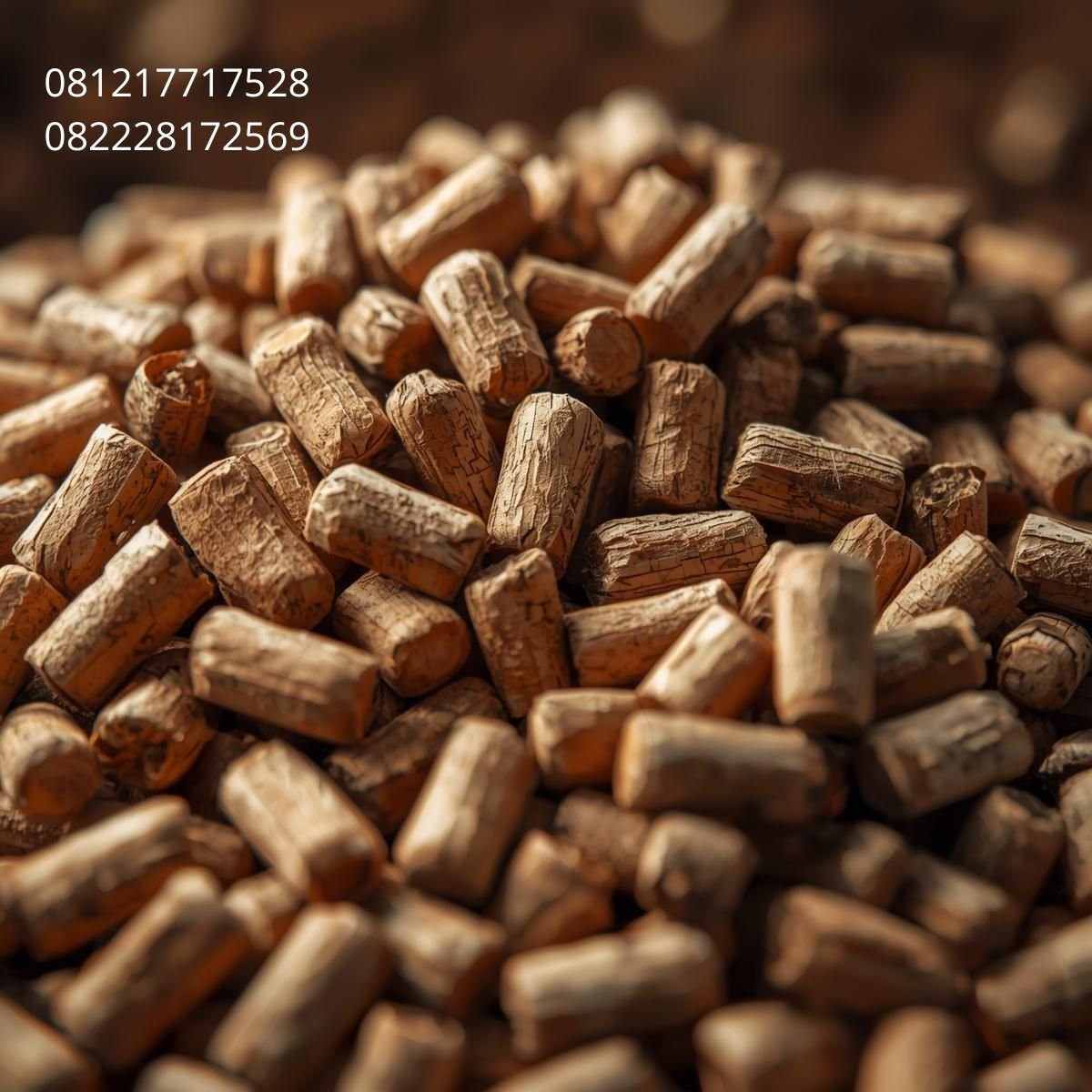
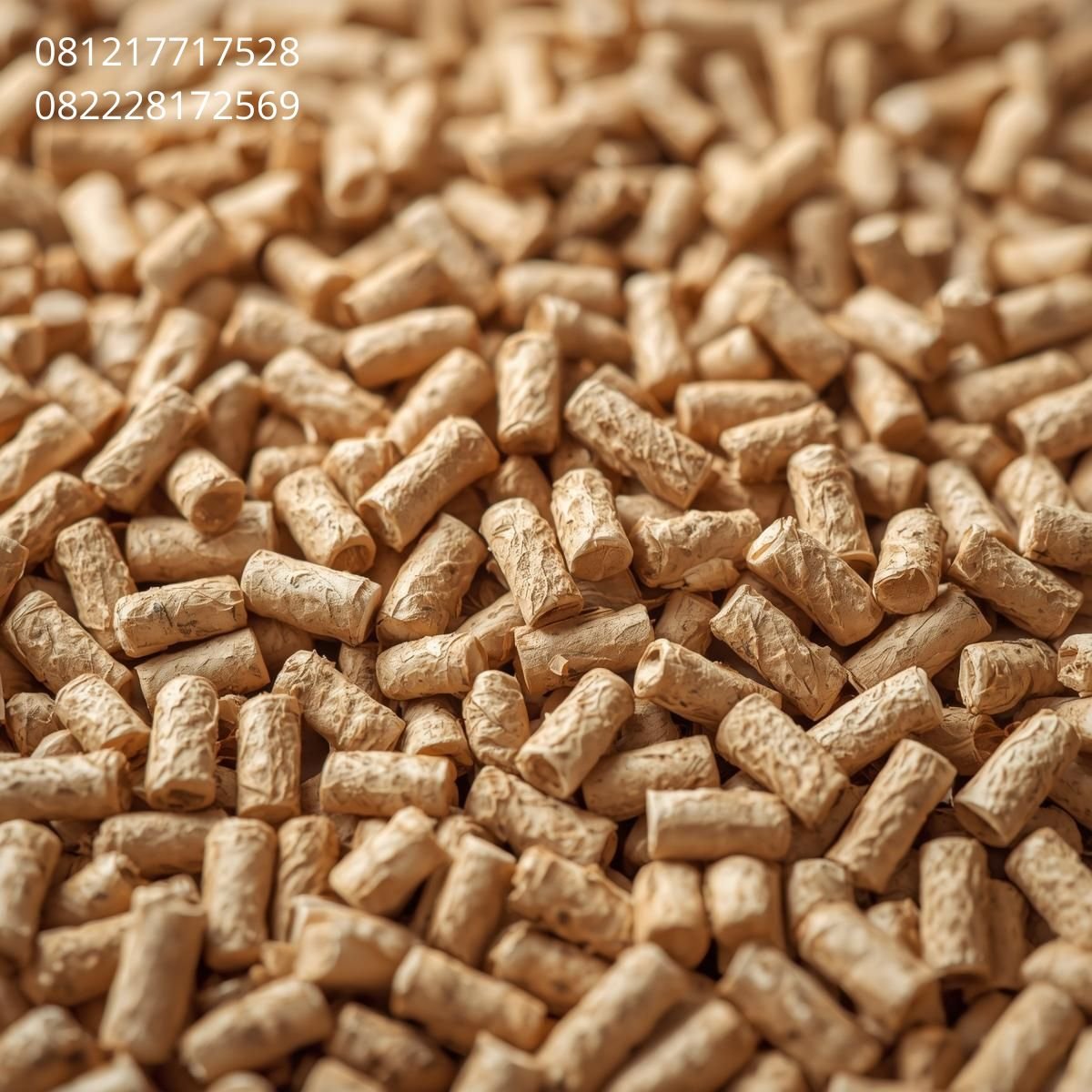
Wood pellets consist of compressed sawdust and wood residues. Manufacturers apply high pressure to create dense cylindrical fuel. Natural lignin binds particles without chemical additives.
Pellets typically measure six millimeters in diameter. Uniform size ensures automated feeding systems operate smoothly. Therefore, combustion efficiency improves consistently.
High-quality pellets maintain low moisture content. This condition enhances calorific value and stability. Additionally, minimal ash production simplifies maintenance.
German buyers prioritize certified standards. Consequently, ENplus certification remains highly recognized in the market.
Production Process of Wood Pellets Germany
Raw Material Sourcing
German producers source residues from sawmills and forestry operations. Sustainable forest management ensures long-term supply continuity. Therefore, pellet production supports circular resource use.
Certification systems verify responsible sourcing practices. Transparent documentation strengthens environmental credibility. Buyers value traceable raw material origins.
Drying and Milling
Manufacturers dry raw materials to optimal moisture levels. Controlled drying prevents performance inconsistencies. Subsequently, milling ensures uniform particle size.
Consistent particle distribution improves pellet density. Therefore, combustion remains stable across heating cycles. Efficiency increases accordingly.
Pelletizing and Cooling
Producers compress biomass using specialized pellet mills. High mechanical pressure forms compact cylinders. Afterward, cooling systems stabilize structural integrity.
Cooling reduces internal temperature rapidly. Thus, pellets resist breakage during transport. Screening removes excess dust particles.
Packaging and Distribution
Suppliers package pellets in 15-kilogram bags or bulk formats. Packaging depends on consumer requirements. Efficient logistics networks distribute pellets across Germany.
Producers anticipate winter demand spikes carefully. Inventory planning prevents seasonal shortages. Supply reliability strengthens long-term partnerships.
Applications of Wood Pellets in Germany
Residential Heating Systems
German households widely install pellet stoves. Automated feeding systems simplify daily operation. Therefore, convenience matches modern living standards.
Pellet boilers connect with central heating systems. They integrate with radiators and underfloor heating. Consequently, fossil fuel reliance decreases significantly.
Commercial and Industrial Use
Industries require stable thermal energy for processes. Pellet-fired boilers provide consistent output. Food production and manufacturing sectors benefit directly.
Hotels and public facilities adopt biomass heating actively. Environmental branding strengthens institutional reputation. Energy budgeting also becomes more predictable.
District Heating Projects
Many municipalities operate biomass district heating networks. Central pellet boilers supply multiple buildings efficiently. Therefore, energy distribution becomes cost-effective.
Community-based heating enhances regional resilience. Local biomass sourcing reduces transport emissions. Sustainable planning supports long-term development.
Environmental Impact of Wood Pellets Germany
Wood pellets support carbon-neutral heating principles. Trees absorb carbon dioxide during growth cycles. Combustion releases comparable carbon levels naturally.
Sustainable forestry practices maintain ecological balance. Reforestation efforts ensure resource regeneration. Therefore, biomass remains renewable.
Pellet systems emit fewer pollutants than coal or oil. Consequently, air quality improves in urban and rural areas. Emission controls further enhance environmental performance.
Lifecycle assessments evaluate production and transport impacts. Efficient logistics reduce carbon footprint. Responsible sourcing strengthens sustainability credentials.
Economic Considerations and Market Stability
Energy price volatility affects European markets frequently. However, pellet prices often show greater stability. Long-term contracts support predictable budgeting.
Installation costs vary by system size. Residential stoves require moderate investment. Industrial boilers demand higher capital allocation.
Operational savings offset installation expenses gradually. Efficient combustion lowers annual heating costs. Maintenance requirements remain manageable with certified pellets.
Germany’s pellet market shows consistent growth trends. Increased environmental awareness drives adoption. Market maturity strengthens competitive standards.
Technical Factors When Choosing Wood Pellets Germany
Calorific Value and Efficiency
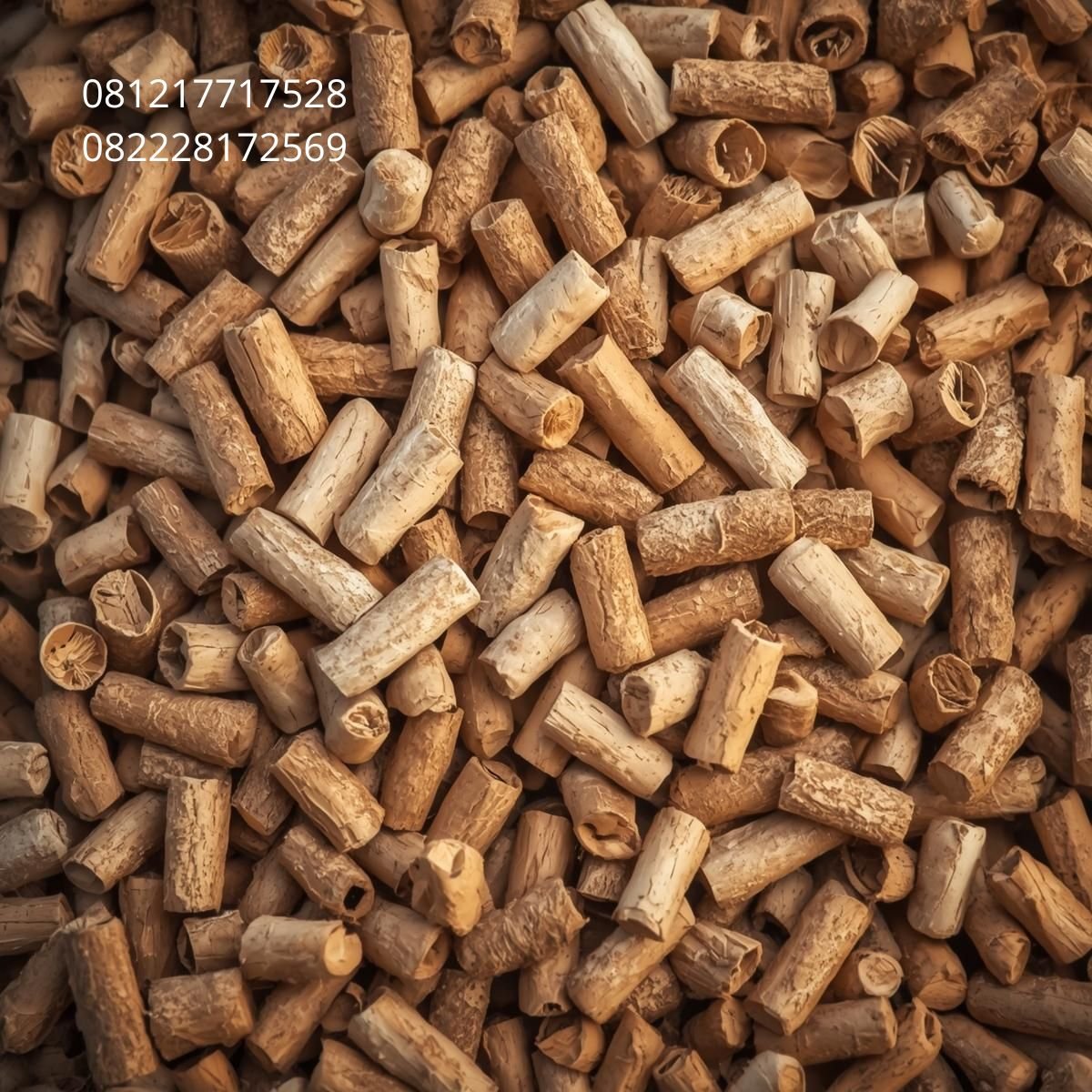
Buyers should compare calorific value specifications carefully. Higher energy density improves heating output. Consequently, fuel efficiency increases.
Boiler compatibility also requires attention. Equipment specifications must align with pellet quality. Professional consultation prevents operational inefficiencies.
Storage and Handling
Pellets require dry storage conditions. Moisture exposure reduces combustion performance. Therefore, storage planning remains essential.
Bulk silos serve commercial users effectively. Residential consumers often prefer bagged pellets. Proper ventilation prevents condensation issues.
Maintenance and Ash Management
Low ash pellets simplify cleaning routines. Reduced residue extends maintenance intervals. Thus, system lifespan improves significantly.
Routine inspection ensures optimal performance. Preventive servicing protects equipment investment. Consistent quality reduces unexpected downtime.
Supply Chain and Logistics in Germany
Germany benefits from strong infrastructure networks. Efficient road and rail systems support distribution. Therefore, pellet delivery remains dependable.
Domestic production satisfies significant demand. However, imports supplement supply during peak seasons. Strategic sourcing strengthens resilience.
Seasonal fluctuations require advanced planning. Suppliers increase inventory before winter. Coordinated logistics minimize disruption risks.
International collaboration enhances market flexibility. Cross-border trade ensures supply stability. Transparent agreements support long-term cooperation.
Innovation and Technology in the German Pellet Sector
Modern pellet plants integrate automation systems. Digital sensors monitor moisture and density levels. Real-time control improves production consistency.
Advanced boilers feature smart thermostatic controls. Users adjust heating remotely via digital platforms. Consequently, energy optimization becomes easier.
Research institutions refine combustion efficiency continuously. Engineers explore emission reduction technologies. Innovation drives sustainable progress.
Challenges in the Wood Pellets Germany Market
Rising demand occasionally pressures raw material availability. Competing wood industries share similar resources. Balanced resource management becomes necessary.
Transportation costs may fluctuate seasonally. Fuel price changes influence logistics expenses. Therefore, efficient planning reduces cost volatility.
Regulatory updates require ongoing compliance monitoring. Suppliers must adapt quickly to policy changes. Flexibility ensures continued market participation.
Despite challenges, market fundamentals remain strong. Renewable strategies sustain long-term pellet demand.
Javawood as a Professional Biomass Partner
Javawood operates from Sidoarjo, East Java. The company focuses on structured biomass energy solutions. It supports international clients, including Germany.
Javawood emphasizes consistent quality control and responsible sourcing. The team ensures product specifications align with market expectations. Transparent communication guides every supply stage.
The company does not claim local offices in Germany. Instead, it collaborates with distribution partners. This approach supports efficient and compliant transactions.
Future Outlook for Wood Pellets Germany
Germany will continue expanding renewable heating systems. Biomass remains an essential component. Therefore, pellet demand shows stable prospects.
Technological innovation will enhance efficiency further. Environmental standards will likely strengthen gradually. Quality assurance will gain even greater importance.
Consumers increasingly value sustainability transparency. Suppliers must demonstrate traceability clearly. Market maturity will reward responsible operators.
Regional Overview of Wood Pellets Germany
Germany shows varied biomass adoption across federal states. Therefore, regional infrastructure shapes pellet distribution strategies.
Bavaria and Baden-Württemberg demonstrate strong residential pellet usage. Cold winters increase heating requirements significantly. Consequently, pellet boilers remain highly popular.
North Rhine-Westphalia supports industrial biomass applications. Large facilities demand consistent bulk deliveries. Reliable logistics therefore remain essential.
Northern Germany benefits from port access. Imports supplement domestic production when necessary. This flexibility stabilizes national supply levels.
Eastern regions maintain forestry resources suitable for pellet production. Local sourcing reduces transportation distances. As a result, regional economies gain additional value.
Comparing Wood Pellets with Alternative Heating Options
Wood Pellets Versus Heating Oil in Germany
Heating oil prices often fluctuate unpredictably. In contrast, pellet pricing shows moderate stability. Therefore, households prefer predictable heating expenses.
Pellet combustion produces lower net carbon emissions. Consequently, environmental performance improves noticeably. Many homeowners seek this sustainable alternative.
Additionally, pellet systems offer automated controls. Digital thermostats enhance user comfort. Modern living standards remain fully supported.
Wood Pellets Versus Natural Gas
Natural gas infrastructure covers urban Germany widely. However, geopolitical risks affect gas supply security. Pellets offer decentralized energy independence.
Gas prices depend on international market dynamics. Meanwhile, pellets rely largely on regional forestry resources. Therefore, supply resilience strengthens.
Hybrid heating systems combine gas and biomass solutions. This approach improves operational flexibility. Energy diversification reduces overall risk exposure.
Wood Pellets Versus Heat Pumps
Heat pumps require sufficient electricity supply. High electricity tariffs influence operating costs. Pellets provide stable thermal output regardless of grid stress.
Heat pumps perform best in well-insulated buildings. Pellet boilers adapt effectively to older constructions. Therefore, retrofit projects often favor biomass systems.
Both technologies support renewable strategies. Careful assessment determines optimal configuration. Technical evaluation ensures realistic performance expectations.
Financial Planning for Pellet Projects in Germany
Incentives and Funding Programs
Germany supports renewable heating investments actively. Federal funding programs encourage pellet boiler installations. Therefore, homeowners benefit from financial assistance.
Regional incentives may vary by state. Applicants should verify eligibility requirements carefully. Structured planning improves approval chances.
Energy consultants assist with application procedures. Professional documentation strengthens compliance. Clear budgeting supports smooth implementation.
Long-Term Return on Investment
Pellet systems require upfront capital allocation. However, operational savings accumulate gradually. Reduced fossil fuel expenses improve long-term economics.
Stable fuel pricing enhances predictability. Maintenance remains manageable with certified pellets. Consequently, lifecycle costs remain competitive.
Energy efficiency upgrades increase property value. Renewable heating improves environmental ratings. Buyers increasingly appreciate sustainable infrastructure.
Sustainability and Forestry Management in Germany
Germany maintains strict forest management standards. Sustainable harvesting protects biodiversity. Forestry certification systems ensure responsible practices.
Pellet production utilizes sawmill residues efficiently. This process minimizes raw material waste. Circular economy principles therefore gain practical application.
Reforestation programs maintain long-term biomass availability. Forest owners follow regulated cutting cycles. Resource continuity remains secured.
Environmental transparency strengthens public trust. Buyers request traceable supply documentation. Responsible sourcing enhances brand credibility.
Storage and Operational Best Practices
Pellet storage requires moisture-free environments. Dry silos prevent fuel degradation. Therefore, structural integrity remains intact.
Automated feeding systems require clean pellets. Excess dust may affect performance. Proper screening ensures consistent combustion.
Operators should schedule periodic inspections. Early detection prevents technical disruptions. Preventive maintenance extends equipment lifespan.
Bulk delivery scheduling should align with seasonal demand. Early procurement avoids winter shortages. Strategic planning supports uninterrupted heating.
Risk Management in the German Pellet Market
Energy demand may spike during extreme winters. Suppliers must maintain adequate reserve capacity. Inventory planning reduces disruption risk.
Transport delays occasionally occur. Weather conditions influence logistics networks. Flexible distribution channels increase resilience.
Raw material competition may intensify. Wood industries share common resource bases. Balanced procurement strategies ensure sustainability.
Regulatory changes require proactive adaptation. Suppliers must monitor compliance standards continuously. Professional oversight safeguards operations.
Industrial and Commercial Case Examples
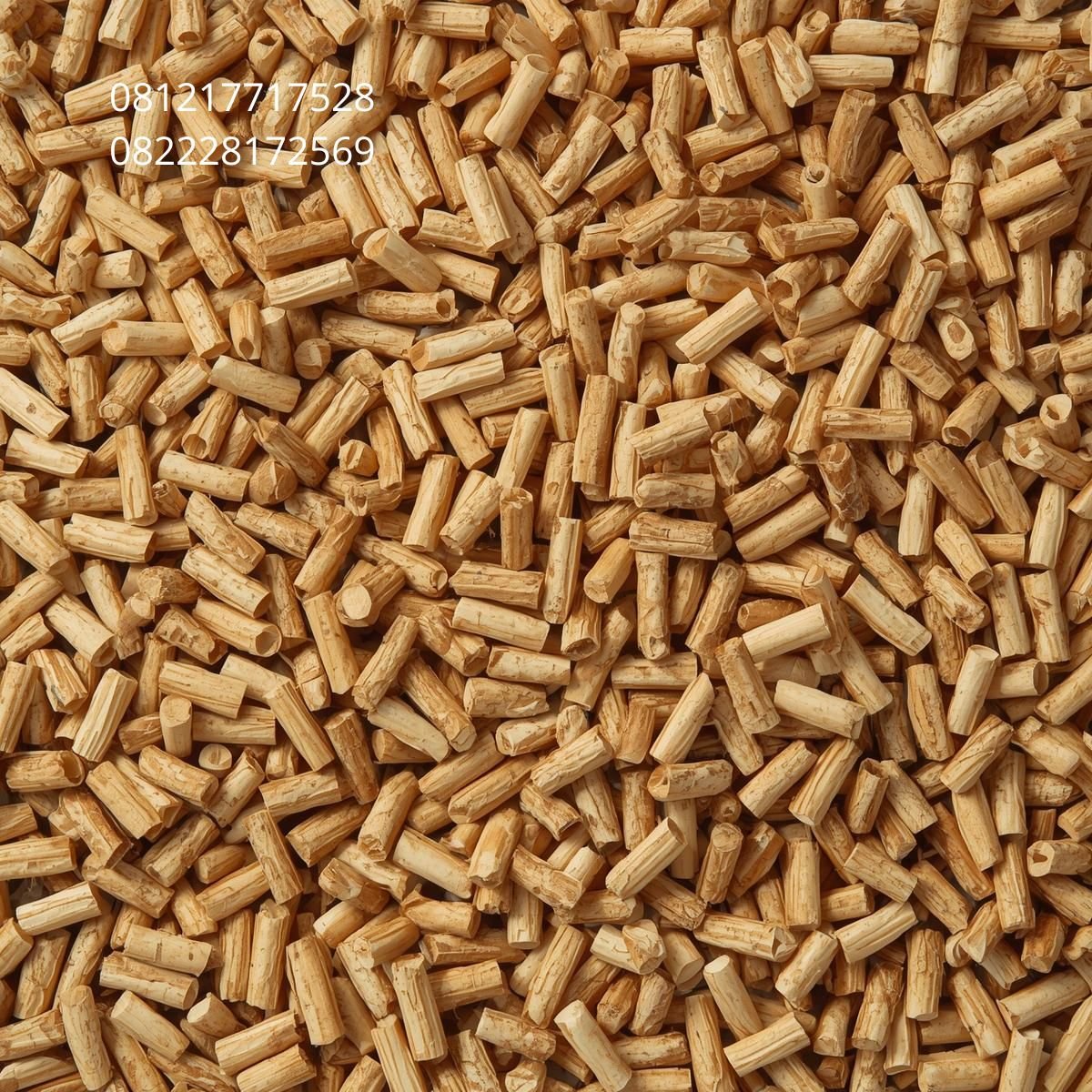
Manufacturing facilities require stable process heat. Pellet boilers deliver consistent temperature control. Production reliability therefore improves significantly.
Agricultural drying operations benefit from biomass heating. Controlled thermal output enhances efficiency. Renewable fuel reduces carbon intensity.
Hospital complexes adopt pellet systems for sustainability goals. Energy budgeting becomes predictable. Environmental reporting improves institutional credibility.
Educational institutions implement biomass heating in campus facilities. Long-term operational savings support public funding management.
Integration with Broader Renewable Strategies
Pellet heating integrates effectively with solar thermal systems. Hybrid solutions reduce total fuel consumption. Consequently, efficiency improves further.
Thermal storage tanks capture surplus heat. Stored energy balances peak demand periods. System optimization enhances reliability.
Smart monitoring platforms analyze consumption patterns. Real-time data improves operational control. Users gain deeper performance insights.
Combined renewable systems strengthen energy security. Diversified supply reduces single-source dependence. Strategic integration supports long-term sustainability.
International Collaboration and Structured Supply
Germany participates actively in European biomass trade. Cross-border coordination enhances supply flexibility. Therefore, market resilience increases.
International suppliers support additional demand coverage. Transparent agreements ensure specification alignment. Consistent communication remains essential.
Javawood, based in Sidoarjo, East Java, contributes structured biomass solutions. The company focuses on responsible sourcing and quality assurance. Clear coordination facilitates smooth international cooperation.
Future Development of Wood Pellets Germany
Technological innovation will continue improving combustion efficiency. Automated production systems will enhance quality consistency. Therefore, performance standards will advance further.
Climate policy objectives will influence renewable heating expansion. Biomass will remain a strategic contributor. Long-term demand outlook remains stable.
Consumers will increasingly prioritize traceability. Environmental certifications will gain greater significance. Responsible suppliers will strengthen competitive positions.
Digital platforms may streamline procurement processes. Transparent pricing will improve market clarity. Industry maturity will support sustainable growth.
Conclusion and Soft Consultation Invitation
Wood pellets Germany offers practical renewable heating solutions. It combines environmental responsibility with economic stability. Careful evaluation ensures optimal project outcomes.
Stakeholders should analyze technical requirements thoroughly. Certified pellet quality protects long-term performance. Sustainable sourcing strengthens environmental integrity.
If you plan to explore biomass opportunities in Germany, consider structured professional dialogue. Javawood in Sidoarjo, East Java can provide informed technical insights. The team welcomes discussions regarding specifications, logistics coordination, and responsible pellet supply strategies.
Wood pellets Germany offers reliable renewable heating solutions. It supports environmental goals and economic stability. Careful technical evaluation ensures optimal performance.
Stakeholders should assess system requirements thoroughly. Certified pellets protect long-term investments. Sustainable sourcing enhances environmental impact.
If you wish to explore biomass opportunities for the German market, consider professional discussion. Javawood in Sidoarjo, East Java can share structured insights. The team welcomes dialogue regarding specifications, logistics planning, and responsible supply strategies.