
Wood Pellets China: Practical Biomass Solutions for China’s Energy Transition
Wood pellets China represent an increasingly important component of China’s renewable energy landscape.
Moreover, industries across China seek stable biomass fuels to support energy diversification goals.
Therefore, wood pellets offer a practical solution for thermal energy and power generation.
In addition, imported wood pellets complement domestic biomass resources effectively.
Consequently, understanding wood pellet supply chains becomes essential for long-term energy planning.
WA 0812-1771-7528
WA 0822-2817-2569
Overview of China’s Biomass Energy Landscape
Role of Biomass in China’s Energy Mix
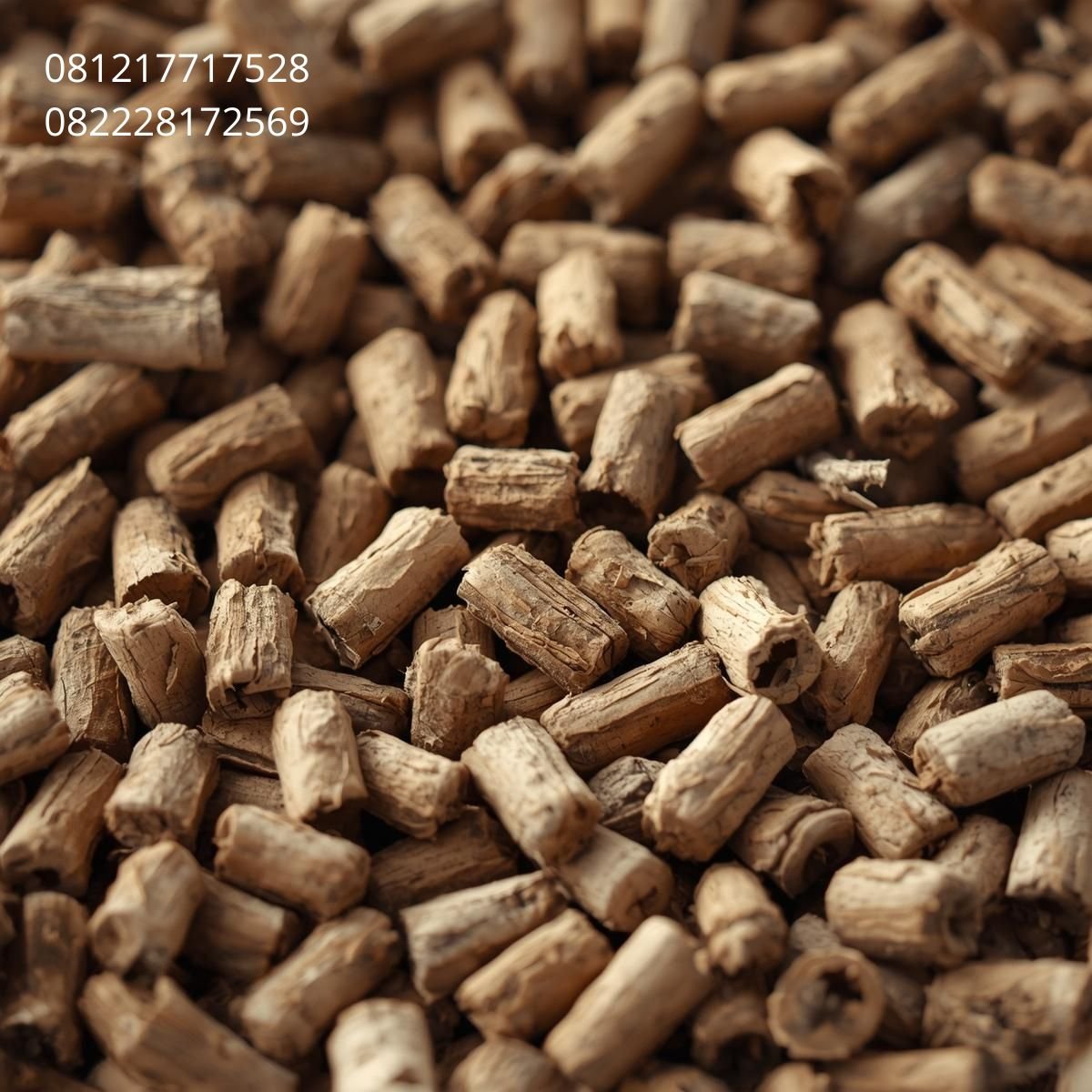
China continues expanding renewable energy sources to balance energy security.
Meanwhile, biomass energy supports industrial heat and base-load power generation.
Therefore, wood pellets remain relevant within diversified energy portfolios.
Additionally, biomass fuels provide dispatchable energy compared to intermittent renewables.
Thus, wood pellets contribute to system stability and operational flexibility.
Regional Distribution of Biomass Demand in China
Industrial regions along China’s coast show higher biomass fuel demand.
Specifically, eastern and southern provinces host dense industrial clusters.
Moreover, port access simplifies imported biomass logistics.
Therefore, coastal regions serve as primary entry points for wood pellets China.
Understanding Wood Pellets as a Fuel Source
Definition and Composition of Wood Pellets
Wood pellets consist of compressed biomass materials with standardized dimensions.
Typically, producers use sawdust, wood chips, or processed wood residues.
Importantly, pelletization occurs without chemical binders.
Therefore, pellets maintain natural combustion characteristics.
Advantages of Wood Pellets for Industrial Use
Wood pellets offer high energy density and uniform size.
Consequently, handling and feeding systems operate efficiently.
Moreover, pellets support automated combustion processes.
Thus, operational consistency improves across facilities.
Technical Characteristics of Wood Pellets China
Calorific Value and Energy Performance
Wood pellets provide consistent calorific values suitable for industrial boilers.
Moreover, predictable energy output simplifies heat balance calculations.
Therefore, operators plan fuel consumption accurately.
Additionally, stable performance reduces operational variability.
Moisture Content and Combustion Efficiency
Controlled moisture content improves combustion efficiency significantly.
Thus, pellets produce higher usable heat per unit mass.
Moreover, low moisture reduces ignition delays.
Consequently, boiler responsiveness improves during load changes.

Ash Content and Operational Impact
Ash content influences maintenance frequency and residue handling.
Therefore, consistent ash levels support predictable cleaning schedules.
Moreover, controlled ash behavior reduces slagging risks.
Thus, facilities maintain stable operations.
Supply Chain Structure for Wood Pellets China
Domestic Versus Imported Wood Pellets
China produces domestic biomass pellets in several regions.
However, domestic supply often faces seasonal variability.
Therefore, imported wood pellets supplement domestic production.
Additionally, imports support consistent year-round supply.
Key Export Regions Supplying China
Several regions supply wood pellets to China.
Southeast Asia provides geographic proximity advantages.
Moreover, shipping routes remain relatively short.
Thus, logistics costs remain competitive.
Wood Pellets China from Southeast Asia
Advantages of Southeast Asian Supply
Southeast Asia offers abundant biomass residues.
Moreover, established export infrastructure supports bulk shipments.
Therefore, regional suppliers serve Chinese demand efficiently.
Additionally, shorter transit times reduce moisture exposure risks.
Indonesia’s Role in Regional Biomass Supply
Indonesia contributes significantly to regional biomass exports.
Specifically, Java hosts concentrated biomass processing activities.
Moreover, industrial infrastructure supports export-oriented production.
Thus, Indonesian pellets align with China’s import requirements.
Javawood as a Wood Pellet Solution Provider
Introduction to Javawood
Javawood operates as a professional wood pellet solution provider.
The company bases its operations in Sidoarjo, East Java.
Moreover, Javawood focuses on structured biomass supply solutions.
Therefore, the company supports practical industrial applications.
Javawood’s Position in Wood Pellets China Supply
Javawood supports wood pellets China supply through coordinated sourcing.
Moreover, the company emphasizes technical alignment with buyer requirements.
Therefore, Javawood functions as a solution-oriented partner.
Additionally, the company avoids exaggerated claims or unrealistic promises.
Production Process of Wood Pellets
Raw Material Selection and Preparation
Producers select biomass residues with controlled characteristics.
Moreover, raw materials undergo sorting and cleaning.
Therefore, impurities remain minimal during pelletization.
Additionally, preparation improves final pellet consistency.

Drying and Milling Processes
Drying reduces moisture to target operational levels.
Then, milling ensures uniform particle size.
Thus, pellet density remains consistent.
Moreover, uniformity supports stable combustion behavior.
Pellet Pressing and Cooling
Pellet presses apply high pressure to form dense pellets.
Afterward, cooling stabilizes pellet structure.
Therefore, pellets resist breakage during handling.
Additionally, cooling improves storage stability.
Quality Control in Wood Pellets China Supply
Production Monitoring and Testing
Producers monitor pellet dimensions and density continuously.
Moreover, sampling verifies moisture and ash content.
Therefore, quality consistency remains measurable.
Additionally, monitoring supports corrective actions when needed.
Pre-Shipment Inspection Practices
Pre-shipment inspections confirm specification compliance.
Thus, buyers receive pellets aligned with expectations.
Moreover, inspection reduces post-delivery disputes.
Consequently, supply relationships remain stable.
Logistics Considerations for Wood Pellets China
Export Packaging and Handling
Suppliers package pellets in bulk or large bags.
Moreover, packaging protects pellets from moisture.
Therefore, pellet integrity remains intact during transit.
Additionally, handling procedures reduce fines generation.
Shipping Routes and Port Operations
Pellets ship through established export ports.
Then, vessels arrive at Chinese industrial ports.
Therefore, port infrastructure plays a critical role.
Additionally, efficient unloading minimizes storage delays.
Storage and Distribution in China
Importers store pellets in covered facilities.
Moreover, ventilation prevents condensation buildup.
Therefore, pellet quality remains stable.
Additionally, proper storage reduces degradation risks.
Applications of Wood Pellets in China
Industrial Boilers and Process Heat
Industries use pellets for steam and process heat.
Moreover, pellets integrate into retrofitted coal boilers.
Therefore, conversion costs remain manageable.
Additionally, pellets support cleaner combustion.
Power Generation and Co-Firing
Power plants apply pellets for co-firing applications.
Thus, facilities reduce coal consumption gradually.
Moreover, co-firing supports emission reduction goals.
Therefore, pellets play a transitional energy role.
Commercial and Institutional Heating
Some facilities use pellets for district heating systems.
Moreover, pellets support centralized heating solutions.
Thus, urban areas reduce fossil fuel dependence.
Technical Evaluation for Buyers
Boiler Compatibility Assessment
Buyers evaluate pellet compatibility with existing boilers.
Therefore, pellet size and density require assessment.
Moreover, ash behavior influences grate design considerations.
Thus, technical evaluation ensures smooth integration.
Fuel Handling and Feeding Systems
Pellet handling systems require consistent pellet dimensions.
Therefore, durability and fines content matter.
Moreover, automated systems benefit from uniform pellets.
Thus, operational reliability improves.
Economic Considerations of Wood Pellets China
Cost Components Beyond Pellet Price
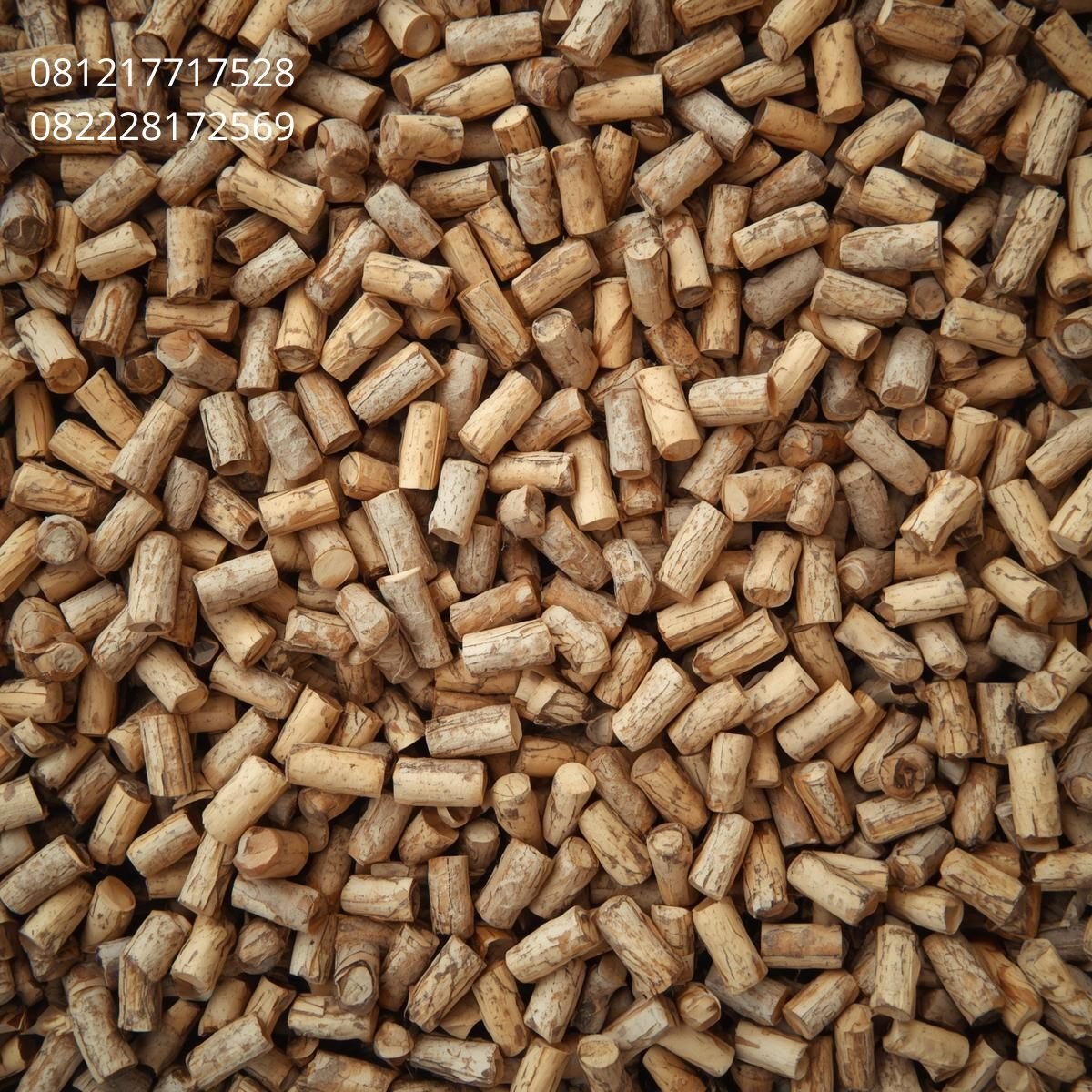
Pellet cost includes logistics, storage, and handling.
Therefore, buyers evaluate total cost of ownership.
Moreover, consistent quality reduces maintenance expenses.
Thus, long-term economics remain favorable.
Price Stability and Contract Structures
Stable pricing supports budgeting accuracy.
Therefore, structured contracts reduce market exposure.
Moreover, predictable delivery schedules support planning.
Thus, procurement becomes more strategic.
Sustainability and Environmental Context
Carbon Considerations of Wood Pellets
Wood pellets offer lower net carbon emissions than coal.
Moreover, biomass carbon cycles support sustainability goals.
Therefore, pellets contribute to emission reduction strategies.
Responsible Biomass Sourcing Practices
Responsible sourcing avoids deforestation risks.
Therefore, producers rely on residues and managed resources.
Moreover, sourcing transparency supports compliance reporting.
Thus, buyers align with environmental standards.
Regulatory and Policy Environment in China
Biomass Policy Direction
China promotes cleaner energy sources progressively.
Therefore, biomass policies support fuel diversification.
Moreover, regional regulations influence fuel selection.
Thus, buyers monitor policy developments carefully.
Import Compliance and Documentation
Importers must comply with customs requirements.
Therefore, accurate documentation remains essential.
Moreover, compliance supports smooth clearance processes.
Thus, operational delays remain minimal.
Risk Management in Wood Pellets China Supply
Supply Continuity Risks
Supply disruptions affect industrial operations significantly.
Therefore, buyers assess supplier capacity and reliability.
Moreover, diversified sourcing reduces dependency risks.
Thus, continuity improves.
Quality and Performance Risks
Inconsistent quality creates operational challenges.
Therefore, buyers prioritize quality assurance systems.
Moreover, performance data supports informed decisions.
Thus, risks remain manageable.
Long-Term Outlook for Wood Pellets China
Market Growth and Demand Trends
Biomass demand in China shows steady growth.
Moreover, industrial decarbonization drives pellet adoption.
Therefore, long-term demand remains promising.
Technology and Efficiency Improvements
Pellet production technology continues improving.
Therefore, pellet durability and efficiency increase.
Moreover, innovation supports cost-effective solutions.
Thus, pellets remain competitive.
Strategic Role of Javawood in the Market
Supporting Practical Biomass Integration
Javawood supports structured wood pellet supply solutions.
Moreover, the company emphasizes technical clarity.
Therefore, buyers receive realistic supply alignment.
Additionally, Javawood operates professionally from Sidoarjo, East Java.
Collaboration and Long-Term Engagement
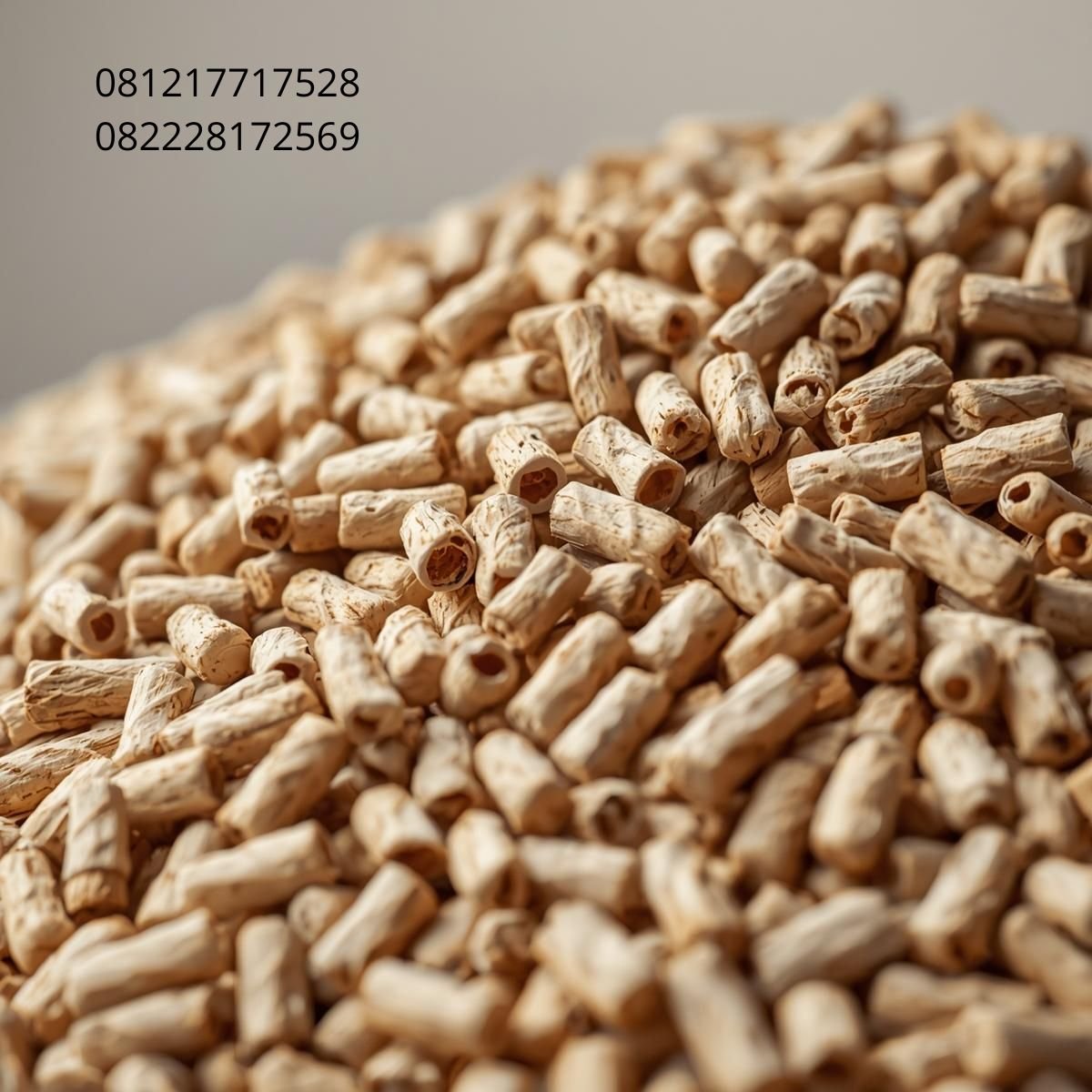
Long-term collaboration supports operational success.
Therefore, Javawood focuses on transparent communication.
Moreover, solution-oriented engagement builds trust.
Thus, partnerships deliver consistent value.
Operational Workflow for Wood Pellets China Procurement
Initial Requirement Assessment
Buyers begin procurement by defining energy demand and operational objectives.
Therefore, teams calculate thermal load and fuel substitution targets.
Moreover, clear objectives guide specification selection.
Thus, early assessment reduces later technical mismatches.
Specification Alignment and Confirmation
Buyers communicate required pellet specifications clearly.
Then, suppliers align production parameters accordingly.
Consequently, both sides share technical understanding.
Therefore, transactions proceed efficiently.
Trial Shipment and Performance Review
Many buyers conduct trial shipments before long-term commitments.
Thus, facilities evaluate combustion behavior and handling performance.
Moreover, trial data informs final procurement decisions.
Therefore, risks decrease before scaling volumes.
Practical Checklist for Wood Pellets China Buyers
Technical Evaluation Checklist
Buyers verify calorific value, moisture content, and ash behavior.
Additionally, teams review pellet durability and fines percentage.
Therefore, evaluation covers both combustion and handling aspects.
Thus, facilities avoid operational surprises.
Logistics and Storage Checklist
Buyers confirm port access and unloading capabilities.
Moreover, storage conditions require moisture protection.
Therefore, facility readiness supports pellet quality preservation.
Additionally, logistics planning reduces demurrage risks.
Commercial and Contractual Checklist
Buyers review pricing structures and delivery terms carefully.
Moreover, contracts define volume flexibility and timelines.
Therefore, clarity supports long-term cooperation.
Thus, disputes remain unlikely.
Common Challenges in Wood Pellets China Supply
Quality Variability Issues
Quality variability affects combustion stability and maintenance frequency.
Therefore, buyers prioritize suppliers with consistent processes.
Moreover, monitoring systems detect deviations early.
Thus, corrective actions remain timely.
Logistics and Timing Constraints
Shipping delays impact fuel availability significantly.
Therefore, planning buffers become essential.
Moreover, coordination with ports improves scheduling reliability.
Thus, operations remain uninterrupted.
Communication Gaps Across Borders
Cross-border communication creates technical misunderstandings occasionally.
Therefore, clear documentation becomes critical.
Moreover, structured communication channels improve clarity.
Thus, collaboration remains productive.
Best Practices for Long-Term Wood Pellet Use
Continuous Performance Monitoring
Facilities monitor combustion performance continuously.
Therefore, operators detect efficiency changes early.
Moreover, data supports operational optimization.
Thus, fuel utilization improves over time.
Maintenance Planning Based on Pellet Characteristics
Pellet properties influence maintenance schedules.
Therefore, facilities adjust cleaning intervals accordingly.
Moreover, proactive maintenance reduces downtime.
Thus, equipment lifespan extends.
Supplier Relationship Management
Strong supplier relationships support supply reliability.
Therefore, regular communication remains important.
Moreover, feedback loops drive continuous improvement.
Thus, both parties benefit mutually.
Market Comparison: Wood Pellets China Versus Alternatives
Comparison with Coal
Coal delivers high energy density but high emissions.
Therefore, pellets support cleaner alternatives.
Moreover, pellets reduce sulfur and particulate output.
Thus, environmental performance improves.
READ THIS TOO: javawoodfactory
Comparison with Other Biomass Fuels
Some biomass fuels show inconsistent quality.
Therefore, pellets offer standardized performance.
Moreover, pellets simplify handling and storage.
Thus, operational predictability increases.
Innovation Trends in Wood Pellet Utilization
Advances in Combustion Technology
Modern boilers optimize pellet combustion efficiency.
Therefore, heat recovery improves significantly.
Moreover, automation enhances control accuracy.
Thus, energy output stabilizes.
Digital Monitoring and Data Integration
Digital systems track fuel performance metrics.
Therefore, operators make data-driven decisions.
Moreover, predictive analytics support maintenance planning.
Thus, operational efficiency increases.
Strategic Planning for Industrial Decarbonization
Role of Wood Pellets in Transition Strategies
Industries pursue gradual decarbonization pathways.
Therefore, pellets support transitional fuel strategies.
Moreover, pellets integrate with existing infrastructure.
Thus, transition costs remain manageable.
Aligning Fuel Strategy with Corporate Goals
Companies align fuel choices with sustainability targets.
Therefore, pellet adoption supports reporting objectives.
Moreover, transparent sourcing improves credibility.
Thus, stakeholders gain confidence.
Javawood’s Practical Contribution to Wood Pellets China
Solution-Based Engagement Approach
Javawood focuses on practical biomass solutions.
Therefore, discussions emphasize technical feasibility.
Moreover, the company avoids unrealistic projections.
Thus, buyers receive grounded guidance.
Location Context and Operational Role
Javawood operates from Sidoarjo, East Java.
Therefore, the company remains close to production networks.
Moreover, regional infrastructure supports export coordination.
Thus, location enhances operational efficiency.
Frequently Asked Practical Questions
How Buyers Select Appropriate Pellet Specifications
Buyers base specifications on boiler design and operating conditions.
Therefore, consultation with technical teams becomes essential.
Moreover, testing validates assumptions.
Thus, specification selection remains accurate.
How Long-Term Supply Stability Gets Maintained
Supply stability depends on capacity planning and communication.
Therefore, buyers prefer structured engagement models.
Moreover, transparency supports planning accuracy.
Thus, supply risks decrease.
Conclusion
Wood pellets China provide practical biomass solutions for industrial energy needs.
Moreover, structured supply chains support reliable operations.
Therefore, informed technical and logistical planning remains essential.
Additionally, solution providers like Javawood support realistic biomass integration.
Soft Consultation Call to Action
Organizations evaluating wood pellets China options benefit from informed discussions.
Javawood, based in Sidoarjo, East Java, offers solution-focused biomass support.
A professional consultation can clarify specifications, logistics, and practical considerations without obligation.