
Wood Pellets Italy: Practical Insights into Production, Supply, and Sustainable Energy Solutions
Wood Pellets Italy – Italy continues to strengthen its commitment to renewable energy through biomass-based heating solutions.
Among these solutions, wood pellets play a strategic role across residential and industrial sectors.
Therefore, understanding wood pellets in Italy requires technical, logistical, and sustainability perspectives.
This article explains real processes, practical considerations, and operational realities within the Italian context.
Understanding Wood Pellets in Italy’s Energy Landscape
Italy actively promotes renewable energy through structured national and regional programs.
As a result, biomass heating systems receive consistent adoption across urban and rural regions.
Wood pellets Italy represent compressed biomass fuel derived from processed wood residues.
Therefore, these pellets support circular economy principles and efficient energy utilization.
Moreover, Italian households widely use pellet stoves for space heating solutions.
Meanwhile, commercial facilities integrate pellet boilers for stable thermal output.

Why Wood Pellets Matter in Italy
Italy imports significant energy resources to meet national demand.
Consequently, policymakers encourage alternative fuels with local and international supply chains.
Wood pellets provide predictable calorific value and controlled combustion characteristics.
Therefore, operators achieve consistent heating performance across seasonal demand cycles.
Additionally, pellets simplify storage, handling, and automated feeding systems.
As a result, end users benefit from operational convenience and measurable efficiency.
Key Characteristics of Wood Pellets Used in Italy
Physical Properties of Wood Pellets Italy
Wood pellets maintain uniform cylindrical shapes through mechanical compression.
Therefore, standardized dimensions ensure compatibility with Italian heating appliances.
Pellets typically contain low moisture content for optimal combustion efficiency.
As a result, users experience cleaner burning and reduced ash residue.
Energy Performance of Wood Pellets
High-quality pellets deliver stable calorific output per kilogram.
Thus, system operators achieve predictable energy planning throughout winter seasons.
Moreover, consistent density supports efficient transportation and storage logistics.
Consequently, supply chains remain manageable across domestic and imported volumes.
Production Process Behind Wood Pellets for the Italian Market
Raw Material Selection for Wood Pellets Italy
Manufacturers select sawdust, wood chips, and residual forestry materials.
Therefore, production avoids reliance on virgin timber sources.
Furthermore, responsible sourcing aligns with European sustainability regulations.
As a result, certified pellets gain higher acceptance within Italy.
Pellet Manufacturing Stages
First, producers dry raw materials to precise moisture thresholds.
Next, mills compress materials using controlled pressure and temperature.
Then, producers cool pellets to stabilize structure and durability.
Finally, operators screen products to remove fines and irregular pieces.
Quality Standards for Wood Pellets in Italy
ENplus Certification and Market Expectations
Italy recognizes ENplus standards for residential and commercial pellet usage.
Therefore, certified pellets demonstrate compliance with European quality benchmarks.
Moreover, certification ensures consistent ash content and mechanical durability.
Consequently, heating systems maintain longer operational lifespan.
Practical Impact of Quality Control
High-quality pellets reduce maintenance frequency for stoves and boilers.
Thus, users minimize downtime and servicing costs.
Additionally, stable pellet quality improves combustion efficiency.
As a result, emissions remain within regulatory limits.
Supply Chain Structure of Wood Pellets Italy
Domestic Production and Imports
Italy produces pellets domestically but relies heavily on imports.
Therefore, suppliers coordinate international sourcing strategies.
Common import origins include Eastern Europe and Southeast Asia.
Consequently, logistics planning becomes a critical operational factor.
Storage and Distribution Considerations
Pellets require dry, ventilated storage environments.
Thus, distributors implement moisture control protocols.
Moreover, bulk and bagged distribution serve different customer segments.
As a result, logistics models remain flexible across regions.
Regional Demand Patterns for Wood Pellets in Italy
Northern Italy and Alpine Regions
Northern regions experience longer heating seasons annually.
Therefore, pellet consumption remains consistently high.
Additionally, mountainous areas prefer automated pellet heating systems.
As a result, demand stabilizes across colder months.
Central and Southern Italy
Central regions show moderate pellet adoption for residential heating.
Meanwhile, southern regions focus on seasonal usage patterns.
However, rising energy costs increase pellet interest nationwide.
Consequently, market growth continues gradually.
Environmental Considerations of Wood Pellets Italy
Carbon Balance and Emission Control
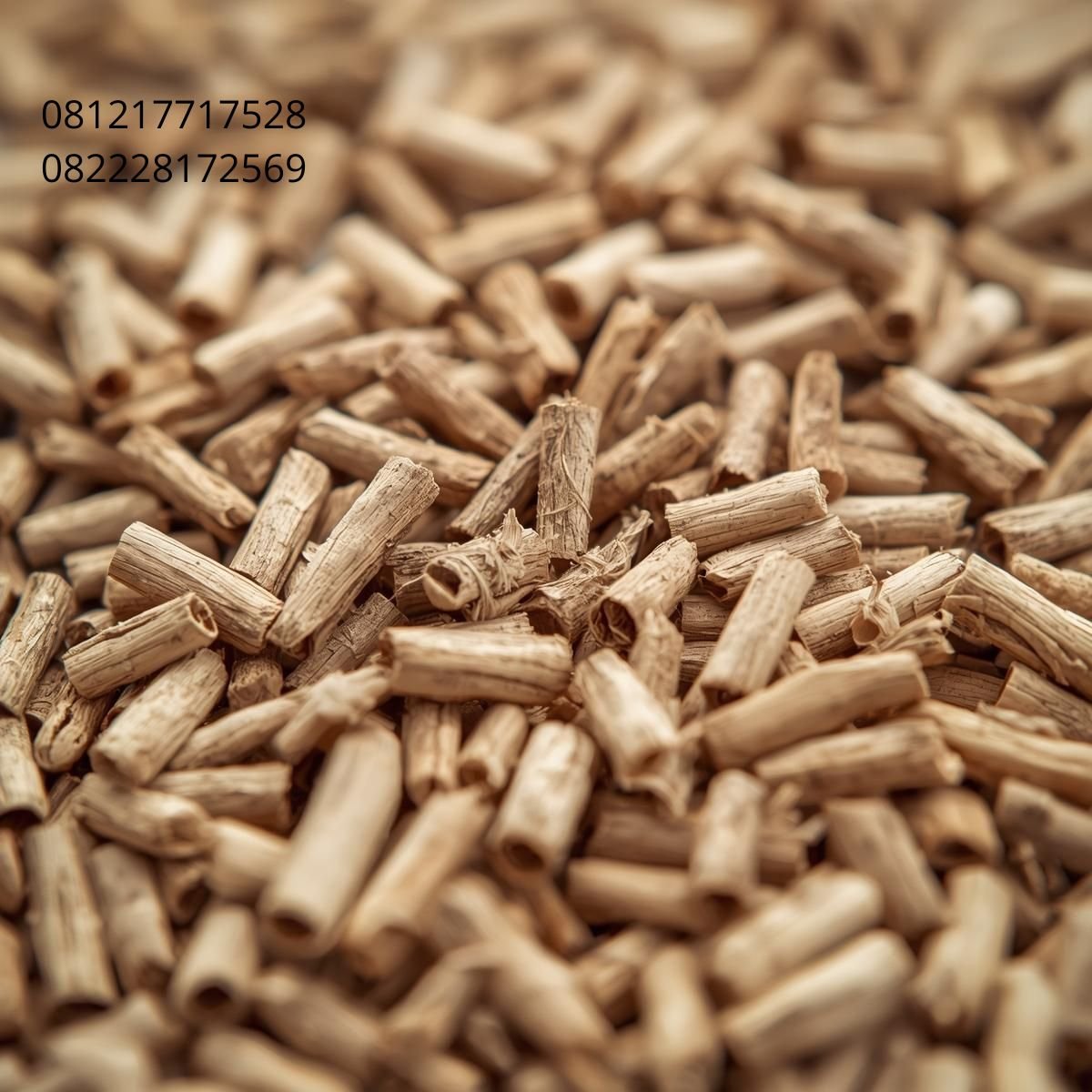
Wood pellets release carbon previously absorbed during tree growth.
Therefore, pellets support balanced carbon cycles when sourced responsibly.
Moreover, modern appliances control particulate emissions effectively.
As a result, air quality impact remains manageable.
Sustainability and Responsible Forestry
European regulations enforce sustainable forest management practices.
Thus, pellet production aligns with long-term ecological goals.
Additionally, traceability systems verify raw material origins.
Consequently, buyers gain transparency across supply chains.
Technical Considerations When Using Wood Pellets in Italy
Appliance Compatibility
Pellet stoves and boilers require standardized fuel specifications.
Therefore, users must match pellet grades with equipment requirements.
Incorrect specifications may reduce efficiency or damage systems.
As a result, technical verification remains essential.
Storage and Handling Best Practices
Pellets absorb moisture when exposed to humidity.
Thus, storage conditions significantly affect performance.
Moreover, proper handling prevents pellet breakage and dust formation.
Consequently, combustion efficiency remains stable.
Economic Factors Influencing Wood Pellets Italy
Price Dynamics and Seasonal Variation
Pellet prices fluctuate based on demand cycles and supply availability.
Therefore, winter seasons often experience higher pricing.
Additionally, transportation costs influence final market prices.
As a result, long-distance imports require strategic planning.
Cost Comparison with Other Heating Fuels
Pellets often compete favorably with fossil-based heating fuels.
Thus, users evaluate long-term operational costs.
Moreover, efficiency gains offset initial appliance investment.
Consequently, pellets remain economically attractive.
Role of Javawood in Supporting Wood Pellet Solutions
Javawood operates as a professional solution provider within the biomass sector.
The company bases its operations in Sidoarjo, East Java.
Javawood supports pellet sourcing, quality coordination, and technical communication.
Therefore, Italian stakeholders gain structured information and supply clarity.
Additionally, Javawood focuses on compliance with international quality standards.
As a result, collaboration aligns with Italian market expectations.
Practical Use Cases of Wood Pellets Italy
Residential Heating Applications
Italian households widely adopt pellet stoves for efficient heating.
Therefore, families benefit from automated temperature control.
Moreover, pellets reduce dependency on fossil fuels.
As a result, energy planning becomes more predictable.
Commercial and Industrial Usage
Hotels, schools, and factories integrate pellet boilers.
Thus, operators manage heating costs effectively.
Additionally, centralized systems support consistent thermal output.
Consequently, operational reliability improves.
Future Outlook for Wood Pellets in Italy
Italy continues investing in renewable heating technologies.
Therefore, pellet demand shows long-term stability.
Moreover, efficiency improvements drive appliance innovation.
As a result, pellet systems become increasingly user-friendly.
Additionally, sustainability regulations strengthen market transparency.
Consequently, quality-focused suppliers gain competitive advantage.
Choosing the Right Wood Pellet Solution
Selecting pellets requires technical, environmental, and logistical evaluation.
Therefore, buyers should assess certification, sourcing, and compatibility.
Moreover, supplier communication supports risk reduction.
As a result, long-term performance improves.
Javawood contributes knowledge-based support for such evaluations.
Thus, decision-makers gain informed perspectives without pressure.
Soft Consultation Invitation
Wood pellet solutions involve technical and operational considerations.
Therefore, informed discussion supports better decision-making.
Javawood welcomes professional dialogue regarding pellet specifications and supply structures.
Interested parties may initiate consultation for educational and planning purposes.
This approach encourages clarity, efficiency, and responsible energy use.
Logistics and Shipping Considerations for Wood Pellets Italy
Logistics plays a critical role within the wood pellets Italy supply chain.
Therefore, planning transportation requires coordination across multiple stakeholders.
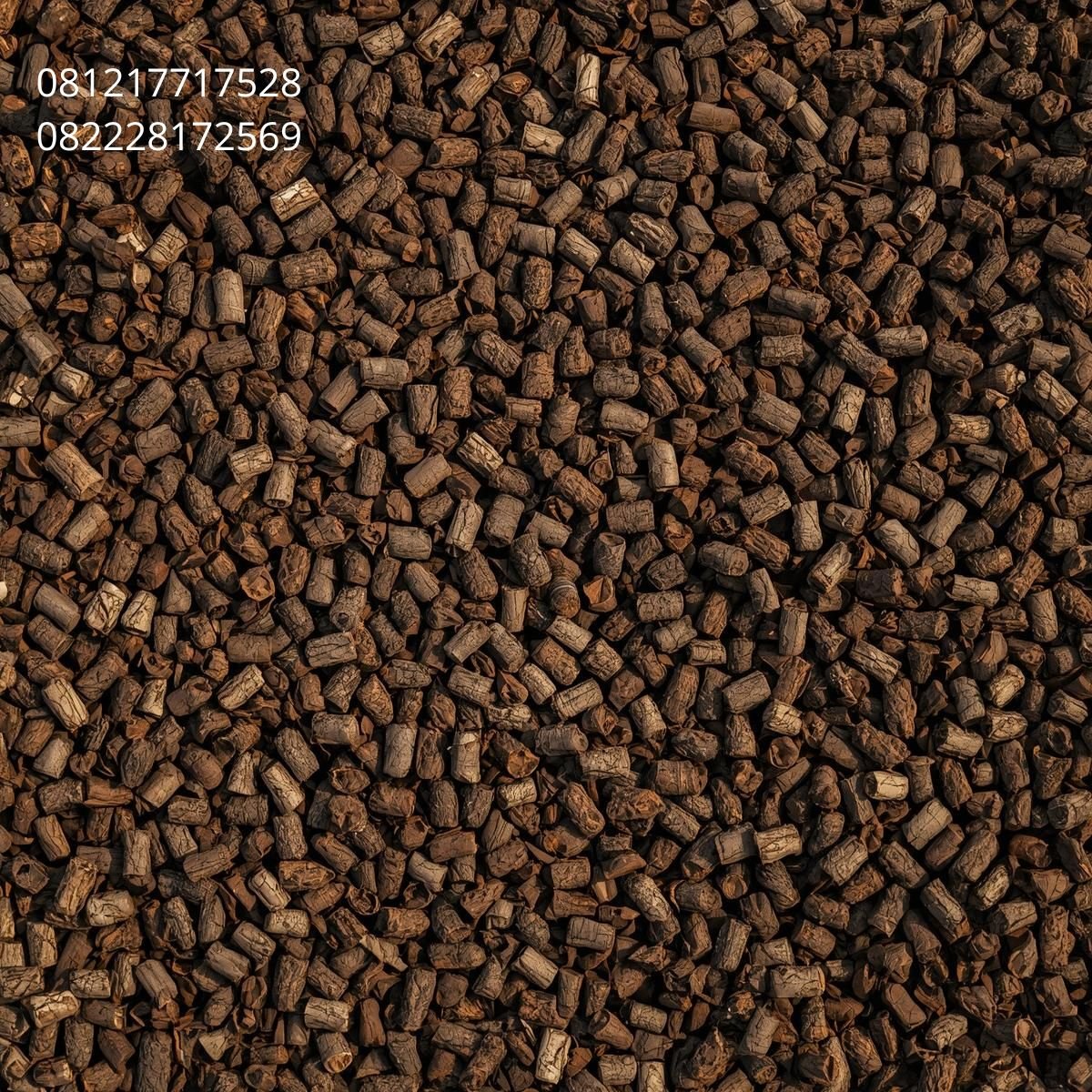
Pellets often travel via sea freight using containerized or bulk shipment methods.
As a result, packaging choice directly affects handling efficiency.
Moreover, Italian ports manage pellet imports through regulated unloading procedures.
Consequently, documentation accuracy ensures smooth customs clearance.
Packaging Formats Commonly Used in Italy
Bagged Wood Pellets for Retail Distribution
Retail markets commonly prefer fifteen-kilogram pellet bags.
Therefore, consumers easily handle and store products at home.
Additionally, bagged pellets reduce exposure to moisture risks.
As a result, product integrity remains stable during storage.
Bulk Wood Pellets for Industrial Users
Industrial users typically receive pellets through bulk delivery systems.
Thus, automated feeding systems operate efficiently.
Moreover, bulk logistics reduce packaging waste.
Consequently, sustainability objectives receive further support.
Regulatory Environment Affecting Wood Pellets Italy
Italian authorities regulate biomass fuels through national and European frameworks.
Therefore, compliance influences market entry decisions.
Moreover, emission standards guide appliance and fuel compatibility.
As a result, technical alignment remains mandatory.
Additionally, sustainability reporting requirements continue to evolve.
Consequently, transparent sourcing becomes increasingly important.
Challenges Within the Wood Pellets Italy Market
Supply Stability and Seasonal Demand
Winter demand places pressure on pellet supply availability.
Therefore, inventory planning becomes essential.
Unexpected weather conditions may intensify consumption rates.
As a result, suppliers must anticipate demand surges.
Quality Consistency Across Imports
Imported pellets may vary in quality characteristics.
Thus, quality verification processes gain importance.
Moreover, inconsistent pellets affect appliance performance.
Consequently, buyers prioritize standardized specifications.
Risk Management Strategies for Pellet Buyers in Italy
Buyers often mitigate risks through diversified sourcing strategies.
Therefore, dependency on single suppliers decreases.
Additionally, long-term agreements stabilize pricing structures.
As a result, budgeting accuracy improves.
Technical testing further supports procurement decisions.
Consequently, operational disruptions reduce significantly.
Integration of Wood Pellets with Modern Heating Systems
Modern Italian heating systems emphasize automation and efficiency.
Therefore, pellets support programmable temperature control.
Moreover, smart systems optimize fuel consumption patterns.
As a result, energy waste decreases.
Additionally, integration with renewable hybrids enhances system flexibility.
Consequently, overall efficiency increases.
Market Education and Consumer Awareness in Italy
Public awareness influences pellet adoption rates.
Therefore, educational initiatives support informed choices.
Consumers increasingly seek performance transparency.
As a result, labeling and certification gain relevance.
Moreover, professional guidance simplifies technical decisions.
Consequently, confidence in pellet solutions improves.
Strategic Role of International Partners
International suppliers support Italy’s pellet demand structure.
Therefore, global coordination remains essential.
Javawood contributes as a knowledge-based solution provider.
The company operates from Sidoarjo, East Java.

Javawood facilitates communication regarding specifications and quality alignment.
As a result, Italian stakeholders access clearer supply insights.
Long-Term Sustainability Perspective for Wood Pellets Italy
Sustainability drives policy and market direction in Italy.
Therefore, responsible pellet sourcing remains non-negotiable.
Forest management practices influence long-term pellet availability.
As a result, traceability systems become standard.
Moreover, efficiency improvements reduce overall biomass consumption.
Consequently, environmental impact remains controlled.
Practical Evaluation Checklist for Wood Pellets Italy
Buyers should evaluate pellet dimensions and moisture content.
Therefore, appliance compatibility improves.
Additionally, certification status confirms quality compliance.
As a result, operational reliability increases.
Logistics capability also influences total cost structure.
Consequently, planning accuracy strengthens.
The Role of Consultation in Pellet Decision-Making
Technical consultation supports effective pellet utilization.
Therefore, informed discussion reduces trial-and-error risks.
Javawood encourages structured consultation for educational purposes.
This approach prioritizes clarity rather than sales pressure.
Stakeholders benefit from transparent information exchange.
As a result, decisions align with technical and regulatory realities.
Closing Perspective on Wood Pellets Italy
Wood pellets Italy represent a mature and evolving energy solution.
Therefore, practical understanding remains essential.
Successful adoption depends on quality, logistics, and system compatibility.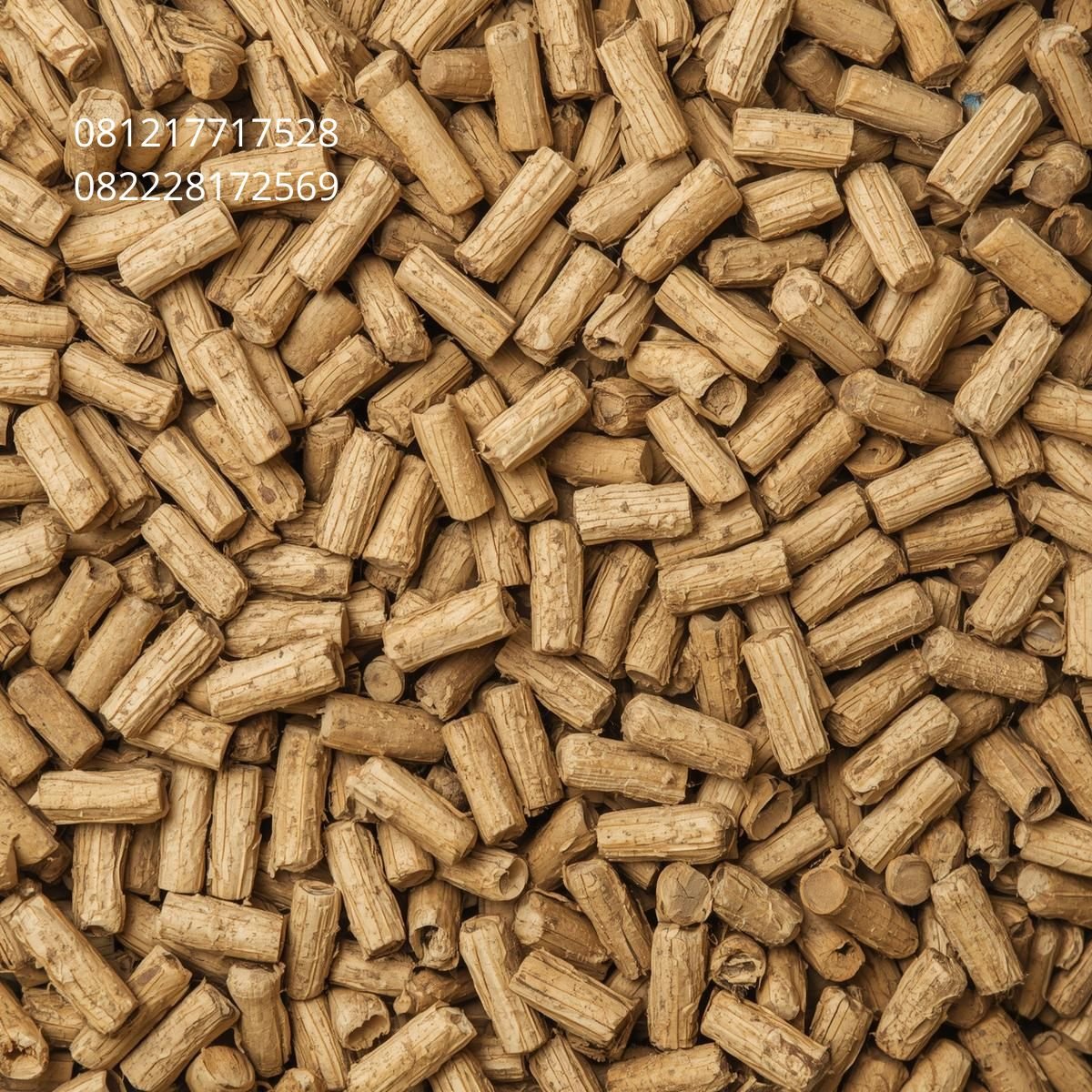
As a result, value realization increases.
Javawood remains available for professional dialogue when needed.
Interested parties may explore consultation to support informed planning.
Technology Trends Influencing Wood Pellets Italy
Technology continues shaping the development of wood pellets Italy.
Therefore, efficiency improvements influence production and consumption patterns.
Advanced pellet mills improve compression accuracy and density control.
As a result, pellet durability increases during transportation.
Moreover, automated monitoring systems enhance quality consistency.
Consequently, producers reduce variability across batches.
Digitalization in Pellet Supply Chain Management
Digital platforms support supply visibility and coordination.
Therefore, stakeholders track shipments and inventory levels accurately.
Data-driven forecasting improves demand planning efficiency.
As a result, seasonal shortages become less frequent.
Additionally, digital documentation simplifies regulatory compliance.
Consequently, administrative delays reduce significantly.
Role of Ports and Infrastructure in Italy
Italian ports support biomass imports through established logistics networks.
Therefore, infrastructure readiness affects pellet availability.
Ports such as Ravenna and Venice handle pellet shipments efficiently.
As a result, inland distribution remains reliable.
Moreover, intermodal transport connects ports with regional warehouses.
Consequently, delivery timelines improve.
Storage Infrastructure for Wood Pellets Italy
Warehouse Design and Environmental Control
Pellet warehouses require humidity-controlled environments.
Therefore, operators install ventilation and moisture barriers.
Proper design prevents pellet degradation over time.
As a result, product quality remains intact.
Silo Systems for Bulk Pellets
Bulk users rely on silo storage systems.
Thus, automated feeding processes function smoothly.
Moreover, sealed silos protect pellets from weather exposure.
Consequently, combustion efficiency stays consistent.
Health and Safety Considerations in Pellet Handling
Worker safety remains essential across pellet logistics operations.
Therefore, training programs emphasize dust control measures.
Pellet dust may pose respiratory risks if unmanaged.
As a result, facilities implement extraction systems.
Additionally, fire prevention protocols reduce operational hazards.
Consequently, workplace safety improves.
Comparison Between Wood Pellets and Other Biomass Fuels
Wood pellets differ from wood chips and briquettes.
Therefore, fuel selection depends on system design.
Pellets offer uniform size and predictable energy output.
As a result, automation becomes easier.
Meanwhile, wood chips require larger storage volumes.
Consequently, space constraints influence decisions.
Maintenance Implications of Using Wood Pellets Italy
Pellet systems require routine inspection and cleaning.
Therefore, maintenance planning supports long-term efficiency.
High-quality pellets reduce ash buildup significantly.
As a result, service intervals extend.
Moreover, consistent fuel quality protects mechanical components.
Consequently, equipment lifespan increases.