
Wood Pellet Machine in the Netherlands: Practical Guide for Production, Performance, and Project Decisions
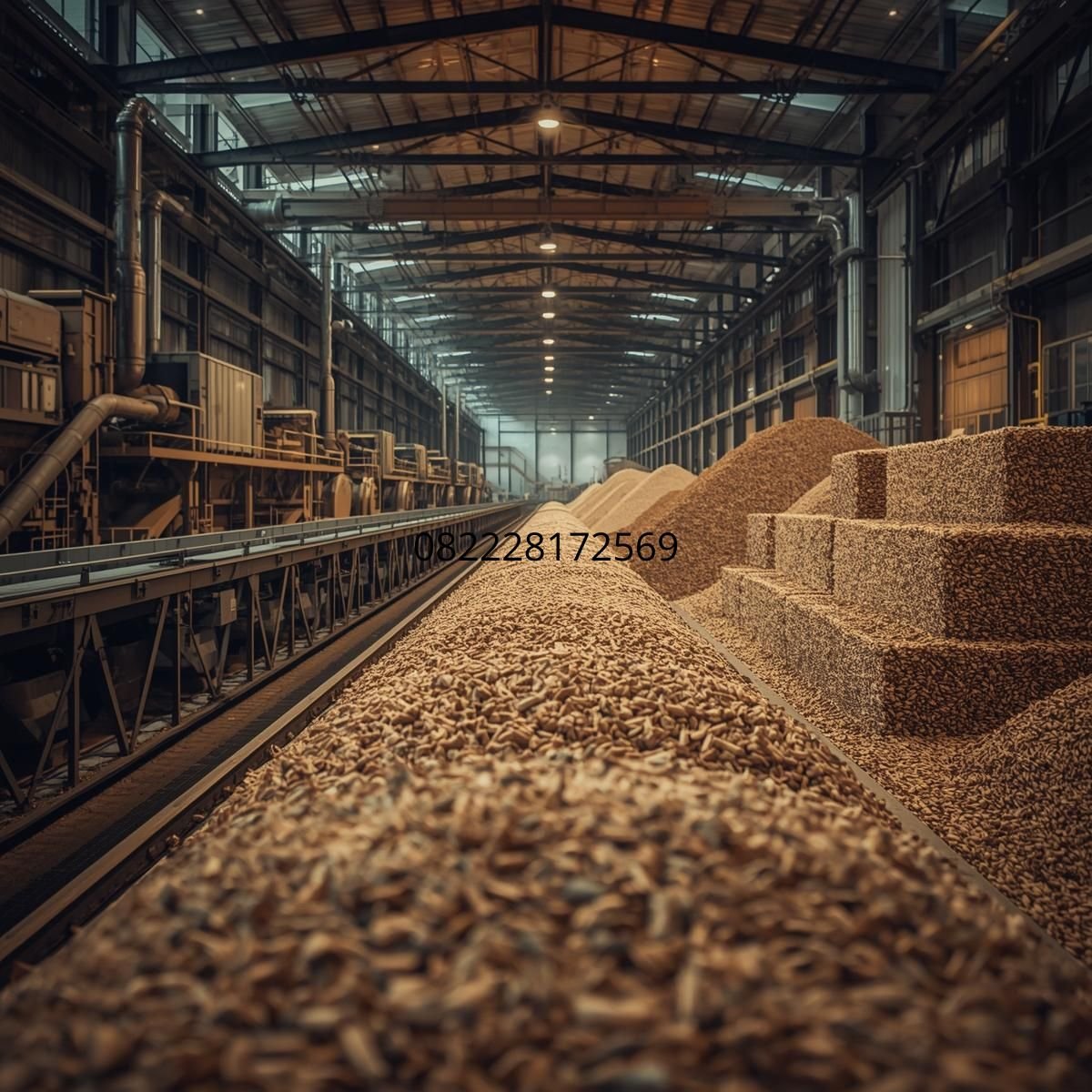
Wood Pellets Netherlands – Wood energy keeps evolving in the Netherlands. Therefore, many project owners now explore pellets for heat continuity and fuel logistics.
Pellets deliver dense energy in a standard form. Moreover, they simplify storage, dosing, and automated combustion in modern systems.
A “wood pellet machine” usually means a full production line. Consequently, you must plan feedstock handling, conditioning, pelleting, and post-processing together.
This guide explains how pellet systems work in realistic Dutch conditions. Additionally, it highlights technical trade-offs that shape quality, uptime, and compliance.
Why the Netherlands Keeps Discussing Wood Pellets
Dutch energy planning often balances reliability and emissions. Therefore, operators seek fuels that support controllable heat and power.
Electricity volatility and grid congestion can complicate electrification plans. Meanwhile, thermal demand still needs stable, dispatchable solutions.
Pellets can support district heating and industrial steam. Moreover, pellets can complement heat pumps during peak winter loads.
Rotterdam and other ports influence biomass logistics. Consequently, many supply chains include bulk handling, screening, and quality verification.
However, sustainability scrutiny stays intense. Therefore, projects must align with procurement rules and traceability expectations.
What a Wood Pellet Machine Actually Includes
A pellet system includes more than the pellet press. First, you must move raw material consistently and safely.
Next, you must reduce particle size. Moreover, you must manage moisture to hit stable pellet density.
Then, you press material through a die using rollers. Consequently, heat and pressure activate natural lignin for binding.
Afterward, you cool and screen pellets. Additionally, you remove fines to protect combustion equipment.
Finally, you package or load pellets in bulk. Therefore, your plant design must match your distribution model.
Wood Pellet Machine Types for Dutch Project Scales
Different Dutch users demand different capacities. Therefore, you should match line size to feedstock and offtake stability.
Small-Scale Pellet Production Lines
Small lines target farms, workshops, or niche heat networks. Moreover, they often run one shift with simple automation.
These setups prioritize flexibility over maximum efficiency. However, they still need robust drying and dust control.
Medium Industrial Pellet Lines
Medium lines serve local industrial heat loads or regional distributors. Consequently, they often use automated feeding and centralized controls.
These projects benefit from continuous operation. Therefore, they require redundancy in critical conveyance sections.
Large Export-Oriented Pellet Plants
Large plants optimize throughput and logistics. Moreover, they focus heavily on bulk loading, storage silos, and QA labs.
However, large plants face strict permitting and stakeholder pressure. Therefore, developers must prepare strong sustainability documentation.

Feedstock Choices That Make Sense in the Netherlands
Wood Pellets Netherlands Feedstock drives pellet quality and economics. Therefore, you must start with material availability and specification control.
Dutch sourcing can rely on residues, imported chips, or recycled wood. However, you must avoid contaminated streams for clean pellets.
Clean Sawmill Residues and Planer Shavings
Sawmill residues pelletize well due to low ash. Moreover, they often deliver stable fiber properties.
However, supply volume may fluctuate. Therefore, contracts and buffer storage become essential.
Forestry Chips and Roundwood-Based Material
Forestry chips can work with strong drying and milling. Consequently, you must handle bark content carefully.
Bark increases ash and slagging risk. Therefore, you should separate bark when quality targets demand low ash.
Recycled Wood and Demolition Streams
Recycled wood can lower costs. However, contaminants can create emission, ash, and compliance problems.
Therefore, you must implement strict sorting, metal removal, and lab testing. Moreover, many premium markets reject such pellets.
Core Process Flow in a Pellet Production Line
You need a stable process chain. Therefore, you should understand each step’s control points.
1) Receiving and Pre-Screening
First, you weigh and record incoming material. Additionally, you screen oversized pieces and foreign objects.
Next, you remove metals using magnets. Moreover, you protect mills and dies from catastrophic damage.
2) Size Reduction for Consistent Pelleting
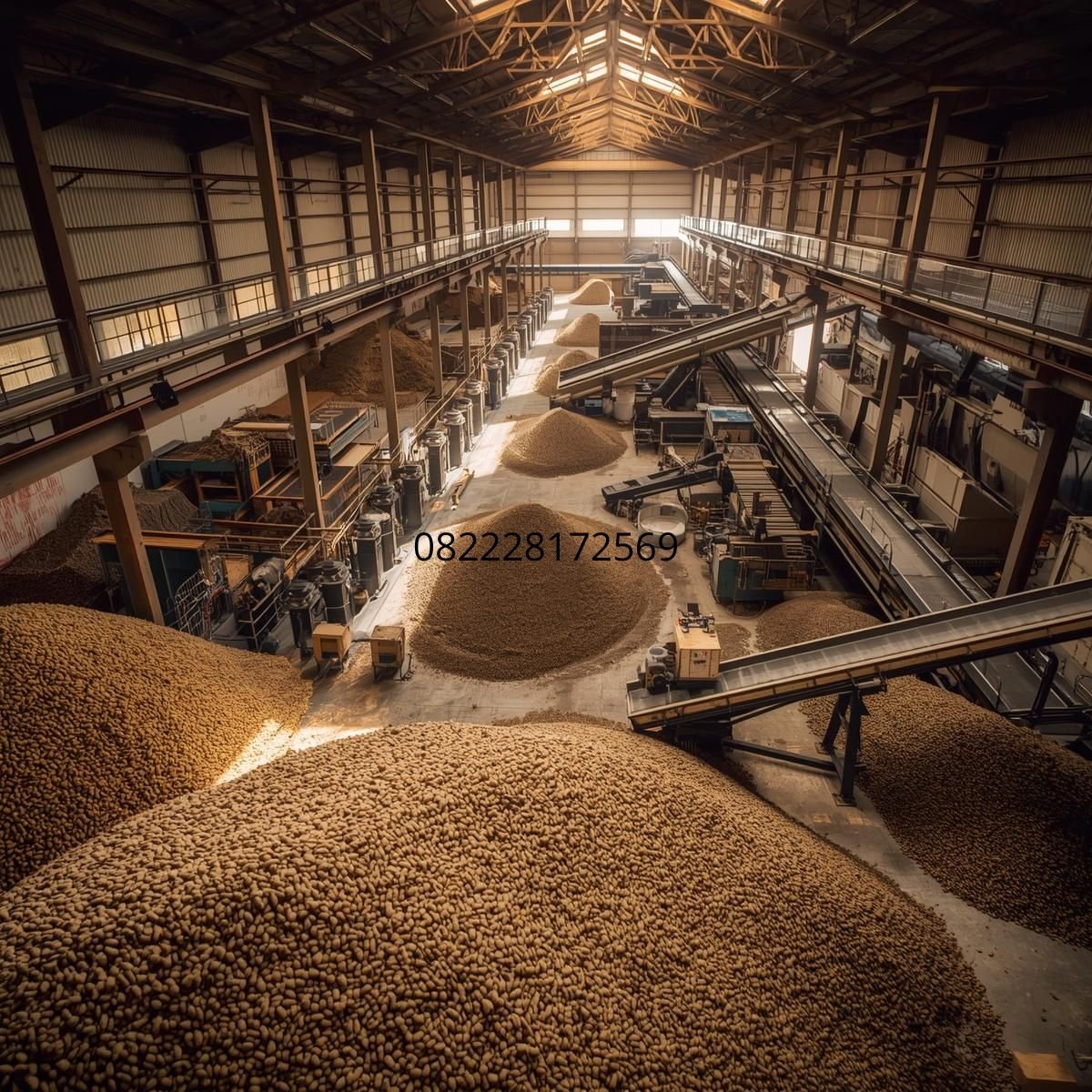
Then, you use a chipper or hammer mill. Consequently, you control particle size distribution for better die compression.
Finer material can improve pellet durability. However, overly fine dust can increase explosion risk.
Therefore, you must balance grind size and safety. Additionally, you should use aspiration to manage airborne dust.
3) Drying and Moisture Stabilization
After milling, you control moisture tightly. Therefore, you dry wet material and blend to a stable target.
Most lines aim around 8–12% moisture for many wood types. However, feedstock and press design can shift the optimum.
Moreover, dryers require careful temperature and fire prevention controls. Consequently, you need spark detection and safe shutdown logic.
4) Conditioning and Steam or Water Dosing
Next, you condition material before pressing. Additionally, you may add steam or water for better plasticity.
Conditioning improves throughput in many cases. However, excess moisture can cause soft pellets and higher fines.
Therefore, operators tune conditioner residence time and dosing. Moreover, sensors help maintain stability across batches.
5) Pelleting with the Pellet Press
Then, the pellet mill pushes material through a ring die. Consequently, die compression ratio and hole geometry shape density.
Roller setting affects friction and temperature. Therefore, you must adjust roller gap and alignment carefully.
Die selection strongly affects power draw. Moreover, a mismatched die can destroy output quality quickly.
6) Cooling, Screening, and Fines Management
After pressing, pellets exit hot and soft. Therefore, you cool them with controlled airflow to harden structure.
Next, you screen pellets to remove fines. Additionally, you recirculate fines back to pelleting when feasible.
Fines control matters for Dutch bulk handling. Consequently, you should protect pneumatic transfer systems and storage bins.
7) Packaging, Bulk Loading, and Storage
Finally, you select bags, big bags, or bulk. Therefore, you align packaging with customer handling equipment.
Bulk delivery often suits district heating operators. Moreover, bagged pellets often suit retail and smaller boilers.
Storage requires humidity control and dust management. Consequently, you must design ventilation and housekeeping protocols.
Technical Parameters That Decide Pellet Quality
Quality does not happen by accident. Therefore, you should track measurable parameters from the start.
Moisture Content
Moisture drives density and durability. Additionally, moisture affects press load and die temperature.
Therefore, you need in-line measurement and blending logic. Moreover, you should document moisture per batch.
Ash Content and Mineral Load
Ash influences slagging and boiler maintenance. Consequently, low-ash feedstock supports premium markets.
Therefore, you must test ash routinely. Additionally, you should monitor soil contamination in forestry residues.
Bulk Density and Mechanical Durability
Bulk density affects transport economics. Moreover, durability affects fines generation during Dutch logistics.
Therefore, you should measure durability with standard tests. Additionally, you should optimize conditioning and die selection.
Pellet Diameter and Length
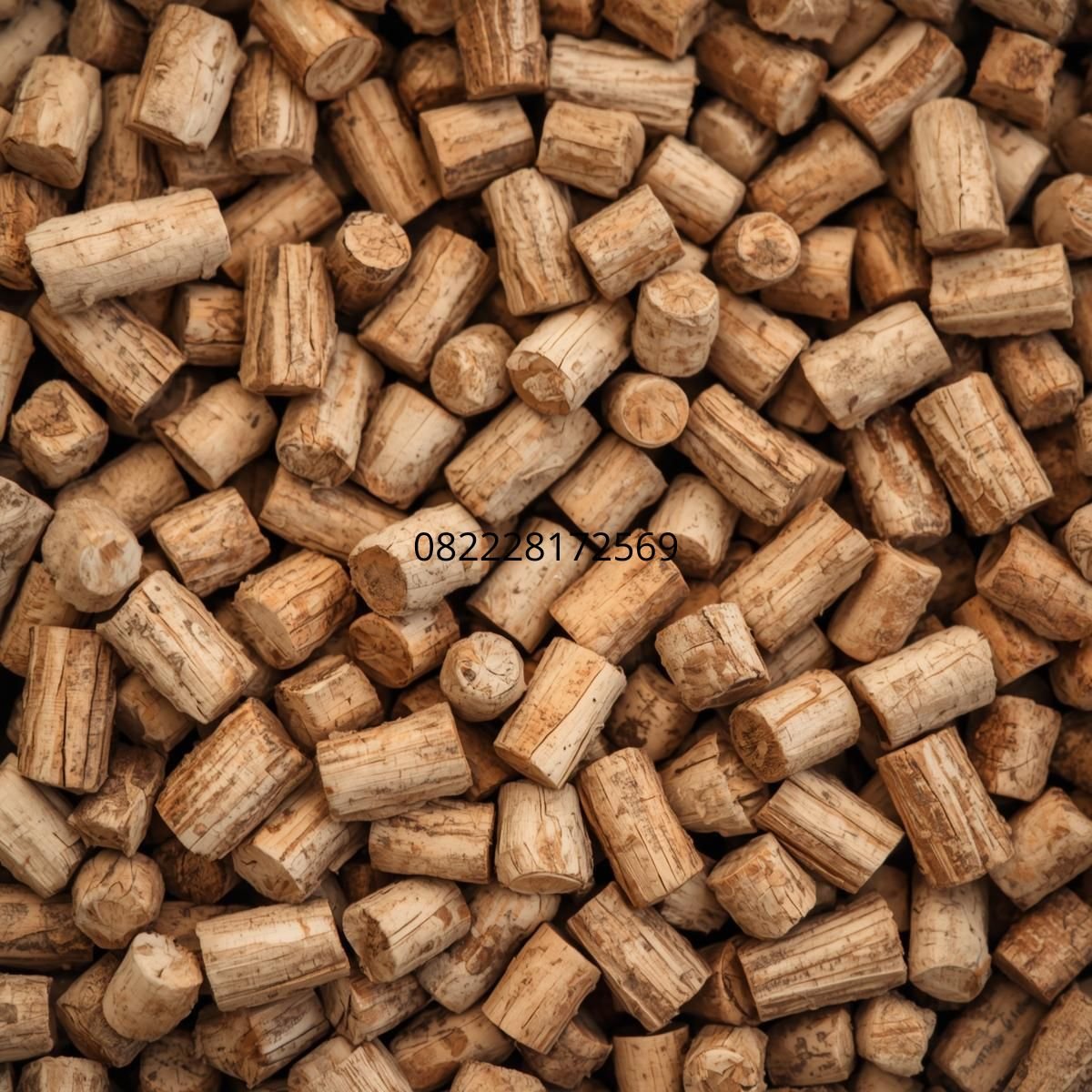
Diameter often follows local appliance requirements. Therefore, you should choose 6 mm or 8 mm based on your market.
Length influences feeding performance in some systems. Moreover, consistent cutting reduces bridging in hoppers.
Wood Pellet Machine Selection Criteria for the Netherlands
Machine choice should reflect Dutch constraints. Therefore, you should evaluate energy, noise, footprint, and safety compliance.
Capacity and Uptime Targets
First, define annual tonnage and operating hours. Additionally, define acceptable downtime per quarter.
Then, size equipment for realistic availability. Consequently, you avoid chronic bottlenecks and overtime costs.
Electrical Load and Grid Constraints
Dutch sites can face grid connection limits. Therefore, you should model peak kW demand for mills, dryers, and compressors.
Moreover, you can stage startups to reduce peaks. Additionally, you can use variable frequency drives to smooth load.
Heat Source for Drying
Drying dominates energy consumption. Therefore, you must choose heat sources carefully.
You can use biomass burners, gas, or recovered process heat. However, each choice changes permitting and cost structure.
Consequently, you should evaluate fuel price volatility and emissions. Moreover, you should plan heat recovery where possible.
Automation and Control Strategy
Automation supports consistent quality and safer operation. Therefore, you should use sensors for moisture, temperature, and vibration.
Moreover, centralized SCADA can simplify reporting. Additionally, alarms and interlocks can prevent fires and explosions.
Spare Parts and Service Logistics
Service speed matters in the Netherlands. Therefore, you should confirm spare availability and local technician access.
Moreover, you should stock critical wear parts. Additionally, you should plan die and roller refurbishment cycles.
Safety and Compliance Topics You Must Take Seriously
Pellet plants handle dust and heat. Therefore, safety design must lead the project.
Dust Explosion Risk and ATEX Mindset
Fine dust can ignite violently. Consequently, you need proper zoning, isolation, and venting strategies.
Therefore, you should design sealed conveyance and effective extraction. Moreover, you should enforce strict housekeeping routines.
Fire Prevention in Drying and Conveying
Dryers can trigger smoldering fires. Therefore, you should install spark detection and suppression.
Additionally, you should include temperature monitoring on bearings and ducts. Consequently, you reduce hidden ignition sources.
Noise, Odor, and Community Interface
Dutch permitting can scrutinize noise. Therefore, you should plan silencers, enclosures, and layout buffers.
Odor risk stays low for clean wood. However, wet storage can smell if you mismanage piles.
Therefore, you should control residence time and ventilation. Moreover, you should keep yards clean and organized.
Practical Layout Considerations for Dutch Industrial Zones
Space can cost a lot in the Netherlands. Therefore, you should design compact, maintainable layouts.
You should separate dirty and clean zones. Additionally, you should streamline forklift or loader paths.
Moreover, you should keep service access around mills and presses. Consequently, maintenance crews can change dies without chaos.
You should plan drainage and stormwater handling. Therefore, you reduce contamination risk and yard deterioration.
Quality Standards and Market Expectations in the Netherlands
Buyers often require standard-compliant pellets. Therefore, you should align production targets with your offtake contracts.
Many residential markets focus on low ash and low fines. Moreover, industrial users can accept broader ranges with robust boilers.
However, Dutch stakeholders often demand transparent sourcing. Therefore, you should maintain documentation and audit readiness.
Additionally, you should build a simple lab capability. Consequently, you can test moisture, ash, and bulk density in-house.
Operating Costs and Efficiency Levers
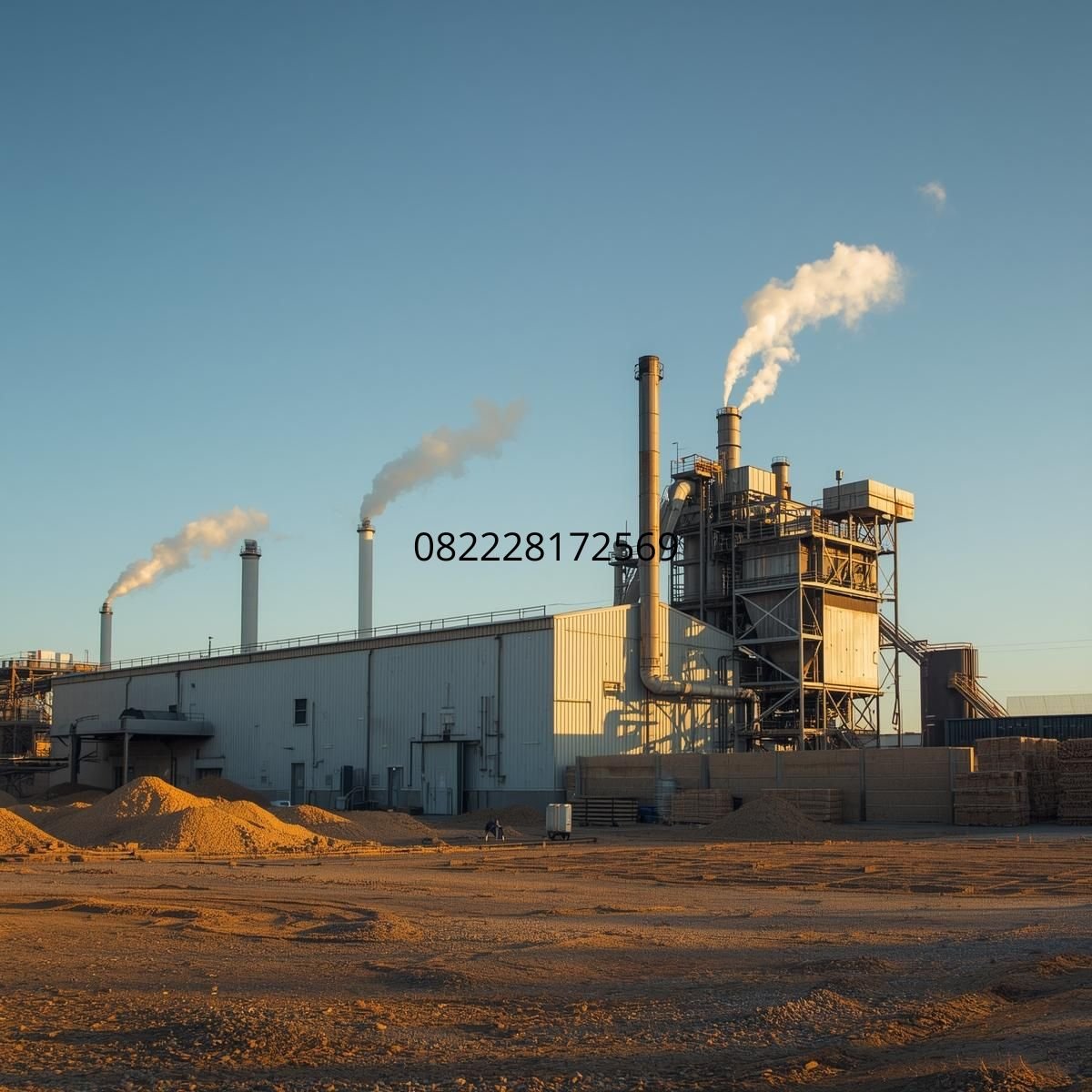
Pellet projects can bleed money through inefficiency. Therefore, you must optimize energy, wear parts, and labor early.
Drying often consumes the most energy. Consequently, heat recovery and insulation can improve margins.
Die and roller wear can surprise new operators. Therefore, you should plan realistic consumable budgets.
Moreover, poor feedstock consistency drives instability and rejects. Therefore, you should invest in blending and screening.
Additionally, automation can reduce rework and downtime. Consequently, it can pay back faster than you expect.
Common Failure Modes and How to Prevent Them
Problems repeat across pellet plants. Therefore, you should learn the patterns and stop them early.
Moisture swings cause pellet cracks and high fines. Consequently, you must stabilize moisture before pressing.
Foreign metal can destroy dies and rollers. Therefore, you need robust magnets and metal detectors.
Overheating bearings can trigger shutdowns or fires. Additionally, vibration monitoring can catch failures early.
Poor airflow in coolers can trap heat. Therefore, you must maintain fans, ducts, and screens consistently.
Project Planning Steps for a Pellet Line in the Netherlands
A pellet line needs structured execution. Therefore, you should follow a disciplined sequence.
Feasibility and Feedstock Mapping
First, quantify feedstock volumes and seasonality. Moreover, verify quality with lab samples.
Next, confirm offtake requirements and pricing. Consequently, you avoid building a line without a market fit.
Concept Design and Mass Balance
Then, build a mass and energy balance. Therefore, you can size dryers, mills, and presses correctly.
Additionally, define storage capacities and logistics flows. Moreover, plan peak-day scenarios for winter demand.
Permitting and Stakeholder Management
After concept design, start permitting discussions early. Therefore, you can address noise, emissions, and traffic concerns.
Moreover, prepare transparent sustainability narratives. Consequently, you reduce delays from public scrutiny.
Installation, Commissioning, and Training
Next, execute installation with clear responsibilities. Therefore, you avoid gaps between mechanical and electrical scopes.
Then, commission each subsystem methodically. Additionally, train operators using real shift scenarios.
Importing Equipment and Building Cross-Border Support
Dutch projects often use global equipment supply. Therefore, you should plan lead times and documentation carefully.
You should confirm CE-related requirements and electrical standards. Additionally, you should align panel design with Dutch norms.
Moreover, you should plan spares shipments and customs buffers. Consequently, you avoid extended downtime later.
Javawood operates from Sidoarjo, East Java, Indonesia. Therefore, Javawood can support projects through structured remote engineering.
Javawood works as a professional solutions provider, not a hype merchant. Additionally, Javawood can help align line design with target pellet specs.
Moreover, Javawood can coordinate documentation, training, and spare-part planning. Consequently, teams can reduce commissioning chaos.
How to Choose the Right Pellet Solution Partner
A weak partner will waste your budget. Therefore, you must vet capability, not promises.
First, ask for mass balance logic and equipment sizing rationale. Additionally, request wear-part assumptions and service plans.
Next, demand a clear scope boundary list. Consequently, you avoid hidden costs in ducting, foundations, or controls.
Moreover, verify real commissioning methodology. Therefore, you prevent “handover” without stable production.
Finally, evaluate communication speed and technical clarity. Consequently, you choose competence over marketing polish.
Conclusion and Next Step
Wood Pellets Netherlands production can work in the Netherlands with the right discipline. Therefore, you must treat feedstock, safety, and quality as one system.
A wood pellet machine line succeeds through stable inputs and controlled operations. Moreover, strong engineering decisions reduce fines, downtime, and risk.
If you want a practical review of your concept, start with your feedstock and capacity targets. Additionally, share your site constraints and drying heat options.
Javawood, based in Sidoarjo, East Java, can discuss line configuration and technical trade-offs realistically. Therefore, you can request a consultation to map options and risks calmly.